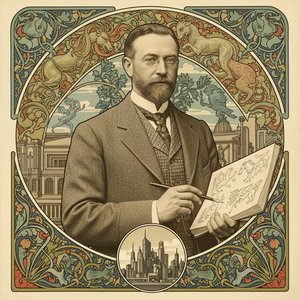
Charles Fraser (1782-1860): A Quiet Master of Scottish Landscape and Portraiture
Charles Fraser, a Scottish painter born in Edinburgh in 1782, remains an intriguing figure within the annals of British art history. Though overshadowed by more flamboyant contemporaries, his contribution to capturing the serene beauty of Scotland’s countryside and portraying its nobility is undeniable. Early Life and Artistic Beginnings
Born into a family with roots in Perthshire, Fraser’s formative years instilled in him an appreciation for artistic traditions prevalent throughout Scotland. While biographical details remain sparse, indications suggest a natural inclination towards visual arts from a young age. He commenced his artistic training under the tutelage of local Scottish artists specializing in oil painting and portraiture—a foundation that would prove crucial to his subsequent career.
Notable Works and Contributions
Fraser’s legacy is cemented by his evocative depictions of Scottish landscapes, notably the “Young Polo Player,” a masterpiece showcasing his ability to blend figure composition with expansive vistas. This painting exemplifies his technical prowess and reflects a deep understanding of atmospheric perspective—a hallmark of the picturesque movement.
Furthermore, Fraser excelled in portraiture, producing striking images of Scottish nobility ranging from prominent statesmen to influential landowners. His meticulous attention to detail and skillful rendering of facial expressions convey not only likeness but also psychological insight—characteristics that distinguish his portraits from mere representations.
Museums and Collections Featuring Fraser’s Artworks
Several of Fraser’s paintings reside in prestigious institutions across the United Kingdom, including Blake Museum where “The Young Polo Player” captivates visitors with its luminous palette and dynamic composition. This museum showcases a remarkable collection of Scottish art from the Romantic era.
Similarly, Frasersburgh Library houses impressive landscapes and portraits—a testament to his artistic versatility and enduring appeal. The library’s holdings provide invaluable insight into Fraser's oeuvre and contribute to a broader understanding of British visual culture during his lifetime.
Legacy and Influence
Charles Fraser’s dedication to portraying Scottish scenery and mastering portraiture profoundly impacted subsequent generations of artists. His stylistic innovations—particularly his embrace of atmospheric perspective and psychological realism—established precedents for landscape painting and portraiture alike.
Visit Charles Fraser | Smithsonian American Art Museum for more information on his life, work, and artistic achievements. Explore additional resources at Wikipedia to delve deeper into his biographical details and scholarly assessments.
Further Exploration
- Charles Fraser's Sketchbook: A Detailed Examination of His Artistic Process
- The Young Polo Player: Analyzing Fraser’s Masterpiece
- Landscape with Figures: Exploring Composition and Atmosphere
- Retrato de Charles Le Cœur: Renoir's Impressionistic Vision
- Paisaje marino, Charles-François Daubigny, 1876: Capturing the Essence of Scottish Landscape
For a comprehensive understanding of Fraser’s artistic contributions and his place within British art history, consult Charles Fraser's Sketchbook.
Discover more about Charles Fraser’s artistic legacy at Gibbes Museum of Art
Preguntas y respuestas
¿Cómo se divide la trayectoria de Charles Fraser en periodos?
La trayectoria de Charles Fraser se despliega etapa por etapa en la página Trayectoria: una línea de tiempo horizontal de sus obras, agrupadas en capítulos según sus periodos creativos.
¿A qué periodo histórico pertenecía Charles Fraser?
Charles Fraser trabajó durante el periodo Siglo XIX. Este periodo sitúa la actividad del artista en su contexto histórico.
¿En qué movimientos participó Charles Fraser?
Puedes explorar las obras de Charles Fraser por movimiento en su página de Todos los movimientos.