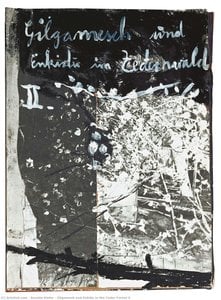
El peso de la memoria: El arte de Anselm Kiefer
Anselm Kiefer se erige como una de las voces más profundas y distintivas dentro del neoexpresionismo, un movimiento artístico que surgió a finales de la década de 1970 y principios de la de 1980 como una poderosa reacción contra la austeridad del minimalismo y el arte conceptual. Nacido en Donaueschingen, Alemania, en 1945, la propia existencia de Kiefer está inextricablemente ligada a las secuelas de la Segunda Guerra Mundial. Su obra trasciende la mera representación; es una exploración inmersiva y visceral de la historia alemana —particularmente de su profundo trauma— expresada a través de lienzos monumentales y esculturas que exigen una confrontación física por parte del espectador. Su viaje artístico comenzó con rigurosos estudios bajo la tutela de Peter Dreher y Horst Antes en la Hochschule für Gestaltung Weinheim-Basel, donde estableció los cimientos de su famosamente experimental enfoque de la creación artística.
El alma de la obra de Kiefer está profundamente arraigada en las sombras literarias del pasado, notablemente a través de la inquietante poesía de Paul Celan. El lenguaje fragmentado y la preocupación por la pérdida presentes en los versos de Celan impactaron profundamente las preocupaciones temáticas de Kiefer, específicamente en lo que respecta al Holocausto y sus efectos persistentes, a menudo silenciosos, en la memoria colectiva alemana. A través de su arte, Kiefer busca dar forma a este silencio, explorando temas de ausencia, destrucción y la pesada carga del legado histórico. Su trabajo no se limita a representar la historia; intenta excavarla de entre las capas del tiempo y los escombros.
Materialidad y la alquimia de la destrucción
Lo que verdaderamente distingue a Kiefer de sus contemporáneos es su uso deliberado y magistral de materiales que poseen un inmenso peso simbólico. Él trata el lienzo no como una superficie plana, sino como un sitio de transformación geológica e histórica. Al incorporar elementos poco convencionales como la ceniza, la paja, la arcilla, el plomo y la goma laca, crea obras que se sienten menos como pinturas y mucho más como artefactos recuperados de una tierra quemada. Cada material cumple un propósito narrativo:
- Ceniza: Derivada de bosques quemados, la ceniza actúa como un recordatorio conmovedor de la devastación ecológica y de la destrucción literal y metafórica provocada por la guerra.
- Paja: Este elemento introduce una sensación de fragilidad, representando la vulnerabilidad de la vida humana frente a las fuerzas abrumadoras de la naturaleza y la historia.
- Plomo: Un medio pesado y sombrío que proporciona una sensación de permanencia y el peso aplastante del pasado.
La técnica de Kiefer se caracteriza por un empaste intenso y grueso. Aplica la pintura en múltiples y densas capas para crear superficies texturizadas que se asemejan a tierra calcinada o antiguas formaciones geológicas. Este enfoque táctil no es meramente decorativo; involucra activamente al espectador, obligándolo a confrontar la pura fisicidad de su proceso. La escala de sus lienzos a menudo refleja la magnitud monumental de los eventos históricos que aborda, creando un entorno donde el espectador es absorbido por la textura y la gravedad de la obra.
Legado y trascendencia histórica
A medida que su carrera progresaba, el reconocimiento internacional de Kiefer creció a través de obras que desafiaron los límites entre la pintura, la escultura y la instalación. Su capacidad para entrelazar el mito, la alquimia y la catástrofe histórica ha asegurado su lugar como un titán del arte contemporáneo. Ya sea que esté representando las sombras melancólicas de los emperadores romanos o los paisajes desolados de la Europa de la posguerra, su obra permanece como un diálogo continuo con el concepto del tiempo mismo. A través de su maestría en la textura y el simbolismo, Anselm Kiefer ha creado un lenguaje visual capaz de articular los aspectos más difíciles de la historia humana, asegurando que las cicatrices del pasado nunca sean borradas por completo, sino transformadas en obras profundas de significado perdurable.
Preguntas y respuestas
¿Cuántas obras de Anselm Kiefer hay disponibles para explorar?
Puede explorar 39 obras de arte obras de Anselm Kiefer en la página Todas las obras.
¿Puedo explorar las obras de Anselm Kiefer por estado de ánimo?
La Galería de estados de ánimo de Anselm Kiefer es una página que organiza las obras del artista según el estado de ánimo.
¿Cómo se divide la trayectoria de Anselm Kiefer en periodos?
Un relato cronológico de la obra de Anselm Kiefer está disponible en la página Crónica del artista, donde las obras se presentan en orden de creación, capítulo a capítulo.