Una visionaria del sueño eduardiano: La vida y el arte de Anne Anderson
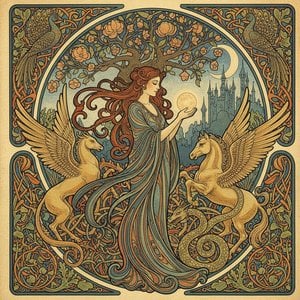
Anne Anderson se erige como una figura luminosa en los anales de la ilustración escocesa, una maestra de la estética Art Nouveau que insufló vida a los relatos más queridos del folclore y la fantasía. Nacida en 1874, hija de James y Grace Anderson, sus primeros años fueron moldeados por los vibrantes y vastos paisajes de Argentina, donde su familia residió durante su infancia formativa. Esta crianza internacional le otorgó una perspectiva única y expansiva que más tarde entrelazaría en sus delicadas composiciones oníricas. Al regresar a Inglaterra al amanecer del siglo XX, Anderson comenzó a forjar una identidad profesional que combinaba la precisión técnica con una profunda resonancia emocional. Su obra no se limitaba a ilustrar historias; conjuraba mundía enteros, caracterizados por una belleza suave y etérea, y un uso sutil del simbolismo que capturaba la esencia misma de la era eduardiana.
La trayectoria de la carrera de Anderson estuvo profundamente entrelazada con su vida personal y su alianza creativa con su esposo, Alan Wright. Tras contraer matrimonio en junio de 1912, el dúo compartió un vínculo artístico profundo. Si bien Wright era un ilustrador respetado por derecho propio, su reputación profesional sufrió un declive significativo tras un polémico encargo para el Barón Corvo. A raíz de este escándalo, Anderson emergió como la principal fuerza creativa, mientras Wright brindaba un apoyo incondicional y contribuía a sus magníficas visiones. Su estilo, fuertemente influenciado por las líneas rítmicas y las formas orgánicas de contemporáneos como Charles Robinson e Jessie Marion King, le permitió navegar la transición del periodo tardovictoriano hacia los movimientos más fluidos y decorativos de principios del siglo XX con una gracia inigualable.
La página encantada: Maestría en ilustración y diseño
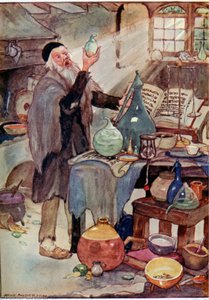
El arte de Anderson era notablemente polifacético, extendiéndose mucho más allá de los límites de la página impresa. Aunque es más celebrada por sus exquisitas ilustraciones para libros infantiles, también fue una hábil pintora, grabadora y diseñadora de tarjetas de felicitación. Su capacidad para manipular el medio y la textura le permitió infundir a las narrativas un sentido de asombro que cautivaba tanto a los más jóvenes como a los coleccionistas más sofisticados. Su trabajo encontró hogar en prestigiosas publicaciones como Blackie’s y Cassell’s, y sus delicados motivos fueron incluso inmortalizados en la porcelana Royal Doulton China y en diversas postales, convirtiendo su estética en parte del tejido visual cotidiano de su época.
La amplitud de su temática es un testimonio de su versatilidad. Poseía un talento único para capturar la tensión entre lo caprichoso y lo ligeramente inquietante, una característica distintiva de muchos grandes cuentos de hadas. Su portafolio incluye interpretaciones icónicas de historias legendarias, tales como:
- La Sirenita: Un estudio sobre el movimiento fluido y el misterio oceánico.
- La Reina de las Nieves: Capturando la belleza cristalina y gélida de los paisajes invernales.
- La Bella y la Bestia: Fusionando el romanticismo con detalles decorativos intrincados.
- <Cuentos de los Hermanos Grimm: Donde su uso de la acuarela da vida a duendes traviesos y protagonistas vulnerables a través de un lente de encanto clásico.
- <La hija del Rey de la Marisma: Una exploración onírica de la transformación y el mundo natural.
Legado y trascendencia artística
Más allá de la mera representación de personajes, la obra de Anderson sirve como una ventana histórica a la influencia del movimiento Art Nouveau en la cultura popular. Su uso de líneas fluidas, motivos botánicos y una paleta suave y tenue ayudó a definir el lenguaje visual de una era obsesionada con la belleza del mundo natural. Incluso en sus obras más robustas, como la pintura al óleo Strong Hans, se puede detectar la misma elegancia rítmica que define sus ilustraciones en acuarela. Poseía el don poco común de hacer que lo fantástico se sintiera tangible, situando a sus criaturas míticas en entornos que se percibían exuberantes, texturizados y profundamente atmosféricos.
Aunque falleció en 1930, el legado de Anne Anderson continúa resonando a través de la perdurable popularidad de su imaginería. Su capacidad para casar las delicadas sensibilidades del diseño escocés con la magia universal del folclore asegura su lugar como piedra angular de la ilustración de principios del siglo XX. Hoy en día, su obra sigue siendo un punto de referencia preciado para quienes buscan redescubrir el encantamiento de una era pasada, erigiéndose como testimonio de una vida dedicada a la búsqueda de la belleza y al arte de contar historias.
Preguntas y respuestas
¿Qué colores utilizaba con más frecuencia Anne Anderson?
El ADN de la Paleta de Anne Anderson presenta el perfil cromático de su obra.
¿Existe una cronología de las obras de Anne Anderson?
La página de Cronología de obras del artista presenta las obras de Anne Anderson ordenadas cronológicamente, año tras año.
¿Puedo ordenar las obras de Anne Anderson por color?
El Índice de color de Anne Anderson organiza las obras del artista por colores.