


 Vista previa
 Compartir
 Compartir
 Ver detalles

 Descargar
 Ver similares
 Radiografía
 Presentación de diapositivas
Portrait del Falconero Real Robert Cheseman
 Acrílico sobre lienzo
- Arte de pared
- Northern Renaissance
 1533
1533- Renacimiento
 59.0 x 62.0 cm
 Mauritshuis
 Leer más
Reproducción al óleo hecha a mano
Óleo sobre lienzo pintado a mano en el tamaño y marco de su elección, realizado por encargo por nuestros artistas. ( Cambiar a impresión Cambiar a imagen)




P118B $10

P118H $10

P118W $10

P438Z $10

P508JH $12

P508YH $12

P805H $10

P805Z $10

P919BZ $10

P919G $10

P919XJ $10

P959ZH $10

P968JZ $12

W106C $8

W218G $10

W218JH $8

W218Y $10

W307PJ $10

W316G $10

W316PJ $8

W316Y $10

W398PJ $8

W4111J $10

W500HY $15

W500JH $15

W692G $12

W849H $8

W940BG $15

W953PJ $8




Elija entre nuestros tamaños predefinidos que respetan las proporciones originales de la obra.

Puede ingresar sus propias dimensiones para adaptarse a un marco o espacio específico. Si el tamaño seleccionado no coincide con las proporciones de la imagen original, recortaremos la obra o extenderemos la pintura con elementos adicionales pintados a mano. Se le enviará una maqueta digital para su aprobación antes de comenzar la producción.
Tenga en cuenta que la vista previa en pantalla no refleja el recorte o la extensión reales. Solo la maqueta mostrará con precisión la composición final.
Si bien existen tamaños personalizados, recomendamos seleccionar una dimensión de la lista predefinida para preservar las proporciones originales.
Tras realizar el pedido, el equipo de ArtsDot.com enviará un correo electrónico al cliente para solicitar instrucciones y proporcionarle una vista previa del boceto.
Envío a todo el mundo () en 3-4 semanas en lugar de las 5 semanas estándar. (8 agosto). Sin comprometer la calidad.

Envío exprés gratuito a todo el mundo

Lienzo de lino de alta calidad

Seguro de envío completo

Garantía de reembolso de aranceles aduaneros

Garantía de fidelidad cromática exacta

Política de devolución de 60 días (solo por defectos)

Garantía de devolución del 100% del dinero

Oferta por volumen
 La opción de vidrio solo está disponible en tamaños inferiores a 110 cm.

Portrait del Falconero Real Robert Cheseman
Técnica de reproducción
Tamaño de la reproducción
-


Precio total
$ 263
Descripción de la obra
Portrait of Robert Cheseman: A Window into Tudor England
Hans Holbein the Younger’s “Portrait of Robert Cheseman,” completed in 1533, transcends mere representation; it's a meticulously crafted snapshot of power and prestige during Henry VIII’s reign. Housed within the Mauritshuis museum in The Hague, this oil painting—measuring 59 x 62 cm—commands attention not only for its size but also for Holbein’s unparalleled ability to capture psychological nuance alongside breathtaking realism.
- Artist and Style: Holbein epitomized the Northern Renaissance aesthetic. Influenced by Italian humanist ideals and artistic trends, he blended meticulous observation with expressive detail—a hallmark of his distinctive style. His early works showcased murals and religious art, preparing him for the monumental task of portraying monarchs like Henry VIII.
- The Subject: Robert Cheseman served as King Henry VIII’s chief falconer, a position signifying considerable influence within the royal court. Holbein skillfully depicts Cheseman in regal attire—a black hat adorned with feathers and holding a hawk perched on his arm—symbolizing dominion over both land and wildlife.
- Technique: Holbein's mastery is evident in every brushstroke. The satin sheen of Cheseman’s sleeves, the subtle modeling of his face, and crucially, the rendering of the gyrfalcon—a symbol of nobility and hunting prowess—demonstrate his unwavering commitment to capturing texture and light with astonishing accuracy.
The painting's historical context is inseparable from the turbulent era of Henry VIII’s ascension to the throne and the subsequent reformation. Holbein’s work serves as a visual testament to the opulent court life of this transformative period, reflecting the anxieties and ambitions of the time.
Decoding Symbolism: Falconry and Status
Beyond its formal portraiture lies a rich tapestry of symbolism. The falcon itself represents nobility, courage, and mastery—qualities highly valued by Henry VIII’s court. Cheseman's posture exudes confidence and authority, mirroring the king’s ambition to assert his sovereignty. Furthermore, the hawk’s meticulous depiction underscores Holbein’s dedication to conveying not just appearance but also character.
- Color Palette: Holbein employed a restrained palette dominated by earthy tones—browns and reds—creating an atmosphere of solemn dignity.
- Composition: The pyramidal arrangement lends stability and grandeur to the portrait, emphasizing Cheseman’s importance within the royal hierarchy.
Holbein's “Portrait of Robert Cheseman” stands as a cornerstone of Northern Renaissance art—a masterpiece admired for its psychological depth and technical brilliance. Its legacy continues to inspire artists today, cementing Holbein’s place among the greatest portraitists of all time.
A Legacy of Detail: Holbein's Innovative Approach
What distinguishes Holbein from his contemporaries is his revolutionary technique—a preoccupation with capturing subtle nuances of expression and texture. His meticulous attention to detail, as evidenced by the rendering of Cheseman’s clothing folds and the falcon’s plumage, foreshadowed developments in portrait painting that would endure for centuries.
Discover more about Hans Holbein the Younger and his breathtaking masterpieces at Discover the Masterpieces of Mauritshuis, The Hague or explore the list of paintings by Hans Holbein the Younger: Experience the Genius.
Obras relacionadas


Biografía del artista
vida temprana y formación
Hans Holbein el Joven, una figura destacada en la renacimiento norteño, nació en 1497 en Augsburg, Alemania. Aunque a menudo se le confunde con su padre, Hans Holbein el Viejo, un artista y grabador renombrado, la obra del joven Holbein es distinta y notable por sí misma.carrera artística
La carrera artística de Holbein el Joven comenzó bajo la tutela de su padre. Posteriormente viajó a Inglaterra, donde se convirtió en pintor de corte para el rey Enrique VIII. Esta posición le permitió capturar la esencia de la familia real y la aristocracia inglesa emergente. Su obra se caracteriza por:- realismo excepcional: los retratos de Holbein son celebrados por su calidad realista, como se ve en Retrato de una dama desconocida (renacimiento norteño).
- composición innovadora: su uso de la composición es evidente en Sir William Butts (37 x 46 cm, renacimiento norteño, óleo sobre tabla).
- estudio para el retrato familiar de Tomás Moro (38 x 52 cm, renacimiento norteño) muestra su habilidad para capturar la esencia de una familia.
obras notables y legado
La obra de Holbein el Joven se encuentra en varios museos, incluido el Museos Estatales de Berlín (Alemania, donde su Señor desconocido con libros de música y laúd (óleo sobre tabla) está en exhibición. Su influencia en el renacimiento norteño es innegable, y su obra continúa inspirando a los artistas hasta el día de hoy. Holbein el Joven falleció en 1543, pero su legado perdura a través de sus cautivadores retratos y estudios detallados. ver más obras de Hans Holbein el Joven en ArtsDot.
Hans Holbein el Joven
1497 - 1543 , Italia
Datos clave
- Artistas Que Influyeron:
- Hans Holbein el Viejo
- Albrecht Dürer
- Estilo Artístico: Renacimiento Nórdico
- Fecha De Muerte: 1543
- Fecha De Nacimiento: 1497
- Lugar De Nacimiento: Augsburgo, Italia
- Nacionalidad: Alemán
- Nombre Completo: Hans Holbein el Joven
- Obras Notables:
- Retrato de Enrique VIII
- El cuerpo del Cristo muerto
- Los embajadores
- Autorretrato
- Madonna del Burgomaestre Meyer
Artículos relacionados

Henri Matisse: Las 25 Obras Maestras que Definieron un Genio del Color | ArtsDot
Descubre las 25 obras maestras de Henri Matisse, el rey del color y padre del fauvismo. Explora su arte moderno, lienzos vibrantes y la historia detrás de cada pintura icónica. Encuentra reproducciones de alta calidad en ArtsDot.com.

Hans Holbein the Younger: A Renaissance Portraitist's Mastery of Realism & Psychological Insight
Explore the life & art of Hans Holbein the Younger, a Renaissance master renowned for his strikingly realistic portraits and psychological insight. Discover iconic works like 'The Ambassadors' and delve into his lasting legacy.
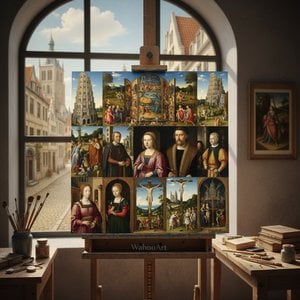
Renacimiento Nórdico: 10 Obras Maestras que Transformaron el Arte |
Descubre 10 obras maestras del Renacimiento Nórdico: Jan van Eyck, Durero y más. Explora la historia, el simbolismo y las técnicas de estos icónicos pintores. Encuentra reproducciones de arte exclusivas en .
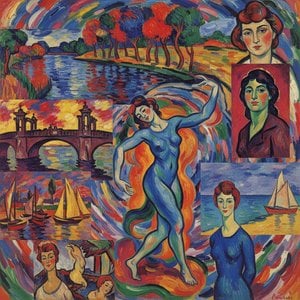
Fauvismo Expresionista: 10 Obras Maestras que Transformaron el Arte | ArtsDot
Descubre las 10 obras maestras del fauvismo que revolucionaron el arte. Explora la pasión, el color y la expresión de Matisse, Derain y más. Reproducciones de alta calidad en ArtsDot.com.

Robert Henri & the Spirit of American Realism: A Legacy of Urban Life and Artistic Independence
Explore the life & legacy of Robert Henri, a pivotal figure in American Realism. Discover his captivating portraits, influence on the Ashcan School, and enduring impact on art history. Learn more at ArtsDot.



