Vista previa
 Compartir
 Compartir
 Ver detalles

 Descargar
 Ver similares
 Radiografía
 Presentación de diapositivas
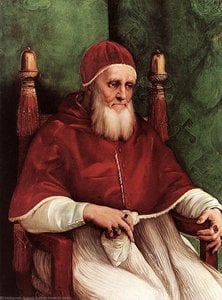
Portrait of Andrea Navagero and Agostino Beazzano

 Leer más
Giclée / Impresión de arte
Impresiones giclée o en lienzo de calidad de museo con producción rápida y opciones de acabado flexibles. ( Cambiar a pintura hecha a mano Cambiar a imagen)




P118B $10

P118H $10

P118W $10

P438Z $10

P508JH $12

P508YH $12

P805H $10

P805Z $10

P919BZ $10

P919G $10

P919XJ $10

P959ZH $10

P968JZ $12

W106C $8

W218G $10

W218JH $8

W218Y $10

W307PJ $10

W316G $10

W316PJ $8

W316Y $10

W398PJ $8

W4111J $10

W500HY $15

W500JH $15

W692G $12

W849H $8

W940BG $15

W953PJ $8




Elija entre nuestros tamaños predefinidos que respetan las proporciones originales de la obra.

Puede introducir sus propias dimensiones para adaptarse a un marco o espacio específico. Si el tamaño seleccionado no coincide con las proporciones de la imagen original, recortaremos la obra de arte o extenderemos la imagen con un borde con efecto espejo o de color sólido. Se enviará una maqueta digital para su aprobación antes de que comience la producción.
Tenga en cuenta que la vista previa en pantalla no refleja el recorte o la extensión real. Solo la maqueta mostrará con precisión la composición final.
Aunque existen tamaños personalizados, recomendamos seleccionar una dimensión de la lista predefinida para preservar las proporciones originales.
Envío a todo el mundo () en 2 semanas en lugar de las 4/5 semanas estándar. (9 agosto)

Envío exprés gratuito a todo el mundo

Lienzo de lino de alta calidad

Seguro de envío completo

Garantía de reembolso de aranceles aduaneros

Garantía de fidelidad cromática exacta

Política de devolución de 60 días (solo por defectos)

Garantía de devolución del 100% del dinero

Oferta por volumen
 La opción de vidrio solo está disponible en tamaños inferiores a 110 cm.

Portrait of Andrea Navagero and Agostino Beazzano
Giclée / Impresión de arte
Tamaño de la reproducción
-


Precio total
$ 62
Descripción de la pieza
Portrait of Andrea Navagero and Agostino Beazzano: A Renaissance Dialogue
Raphael’s “Portrait of Andrea Navagero and Agostino Beazzano,” painted in 1516, is more than a simple likeness; it's a carefully constructed tableau of Venetian intellect and social grace. Housed within the Galleria Doria Pamphilj in Rome, this double portrait offers a captivating glimpse into the vibrant world of Renaissance Florence and Venice, revealing a sophisticated interplay between two prominent figures of their time.
The painting immediately draws the eye with its masterful use of chiaroscuro – a technique perfected by Raphael himself. The dark background, almost velvety in its depth, serves to dramatically isolate the subjects, emphasizing their faces and richly-layered clothing. This strategic darkness not only creates a sense of intimacy but also lends an air of solemnity and gravitas to the scene, reflecting the importance placed on intellect and status within Renaissance society. The subtle gradations of light across their garments – from the crisp white collars to the shadowed folds – speak volumes about Raphael’s meticulous attention to detail and his understanding of how light interacts with texture.
A Study in Venetian Refinement
Navagero, a key figure in Venice's diplomatic circles, stands on the left, his face bearing an expression of quiet confidence. His attire – a dark velvet coat adorned with intricate embroidery – speaks to his wealth and position within the Republic. Across from him, Beazzano, a celebrated poet and playwright, exudes a more lively demeanor, his gaze engaging directly with Navagero’s. The subtle asymmetry in their postures—Navagero slightly turned towards the viewer while Beazzano faces inward—creates a dynamic tension, suggesting an ongoing conversation or exchange of ideas. The painting is deeply rooted in the Venetian artistic tradition, evident in the rich colors and the emphasis on capturing individual character rather than simply presenting a formal representation.
Technique and Artistic Innovation
Raphael’s skill as a painter is undeniable. He employs a smooth, almost porcelain-like technique, particularly noticeable in the rendering of their skin tones – achieved through careful layering of translucent glazes. The subtle modeling of their features—the curve of their noses, the definition of their eyes—demonstrates his profound understanding of human anatomy. The use of oil paint allowed Raphael to build up layers of color and texture with remarkable precision, creating a sense of depth and realism that was revolutionary for its time. Noticeably, the beard on Navagero’s face exhibits a slightly more pronounced textural quality, hinting at the artist's deliberate choice to highlight certain details.
Symbolism and Renaissance Ideals
Beyond their individual portraits, “Andrea Navagero and Agostino Beazzano” embodies key ideals of the High Renaissance. The direct gaze exchanged between the two men symbolizes intellectual engagement and a shared appreciation for learning – a cornerstone of humanist thought. The formal composition, with its balanced arrangement of figures and carefully considered use of space, reflects the Renaissance emphasis on harmony and order. Furthermore, the inclusion of these prominent Venetian figures within a single portrait underscores the importance of civic pride and cultural exchange during this period. The painting is not merely a depiction of two men; it’s a visual representation of the flourishing intellectual and artistic landscape of 16th-century Italy.
A Timeless Masterpiece
Raphael's “Portrait of Andrea Navagero and Agostino Beazzano” remains a testament to his genius. It is a captivating study in human character, a celebration of Venetian culture, and a profound exploration of Renaissance ideals. Reproductions of this iconic work capture the essence of its original beauty, offering a window into a bygone era and reminding us of the enduring power of art to illuminate the complexities of the human experience.
Obras relacionadas


Biografía del artista
**vida temprana y formación**
Rafael (rafaello sanzio da urbino), un renombrado pintor y arquitecto italiano, nació entre el 28 de marzo y el 6 de abril de 1483, en la pequeña pero culturalmente significativa ciudad de Urbino. Su padre, Giovanni Santi, era pintor de corte para el duque, proporcionando a Rafael una exposición temprana al mundo artístico. Después de fallecer su padre a los once años, Rafael probablemente administró el taller familiar, consolidando aún más su base artística.**carrera artística e influencias**
El viaje artístico de Rafael puede categorizarse en tres fases distintas, cada una marcada por un estilo único:- primeros años en Umbría: caracterizado por la influencia de su padre y el ambiente cultural de Urbino.
- período florentino (1504-1508): absorbiendo las tradiciones artísticas de Florencia, que influyeron significativamente en su estilo.
- período romano (1508-1520): trabajando para dos papas y sus asociados, produciendo algunas de sus obras más celebradas, incluyendo la escuela de Atenas en la stanza della segnatura del Vaticano.
**obras notables y legado**
Algunas de las obras notables de Rafael incluyen:- el juicio de Salomón (ver en ArtsDot)
- la madona de Esterházy (ver en ArtsDot)
- Stanze Vaticane - vista de la stanza della segnatura (ver en ArtsDot)
- San Sebastián (ver en ArtsDot)
- La dama velada (ver en ArtsDot)
**influencia y legado**
La influencia de Rafael en el arte es profunda, con su obra siendo un pilar del Renacimiento italiano. Su estilo sereno y armonioso ha sido un modelo para la pintura neoclásica, como señaló el historiador de arte Johann Joachim Winckelmann. A pesar de la influencia posterior del estilo de Miguel Ángel, Rafael sigue siendo uno de los artistas más reverenciados en la historia. ver el perfil de Rafael en ArtsDot
Rafael
1483 - 1520 , Italia
Datos clave
- Artistas Influyentes:
- Giovanni Santi
- Pietro Perugino
- Estilo Artístico: Alto Renacimiento
- Fecha De Muerte: 06/04/1520
- Fecha De Nacimiento: 28/03/1483
- Influencia En Artistas: Neoclasicismo
- Lugar De Nacimiento: Urbino, Italia
- Nacionalidad: Italiano
- Nombre Completo: Rafael (Raffaello Sanzio)
- Obras Notables:
- El Juicio de Salomón
- Madonna del Cardellino
- La Escuela de Atenas
- San Sebastián
- La Dama Velada
Artículos relacionados

De Instantánea a Storia: Reinterpretando la Fotografía Personal con el Óleo Renacentista y la Customización
Transforme sus fotos en obras de arte renacentistas hechas a mano por expertos. Reproducciones de alta calidad y retratos personalizados con garantía total. Cree un legado familiar atemporal.

The Enduring Gaze: A Historical & Artistic Exploration of Portrait Painting Across Cultures
Explore the rich history of portrait painting with expert insights into Renaissance masterpieces & modern innovations. Discover artists, movements & commission a custom oil painting at ArtsDot.

The Patron's Gaze: Art Collectors in Western Painting – A Renaissance to Modern History
Explore the fascinating history of art collectors in Western painting, from Renaissance patrons to modern museum founders. Discover how portraits revealed status, shaped artistic movements & built lasting legacies. Expert insights at ArtsDot.

Los 10 Maestros del Renacimiento Temprano: Arte que Transformó el Mundo |
Descubre los 10 maestros del Renacimiento Temprano: Botticelli, Leonardo da Vinci y más. Explora la historia, técnica y belleza de obras icónicas italianas. Reproducciones de arte exclusivas en .

De Instantánea a Legado: El Arte de Encargar una Reproducción Pintada a Mano a partir de Fotografía – Preservando Recuerdos a Través de Técnicas al Óleo
Transforme sus fotos en obras de arte atemporales con pinturas al óleo hechas a mano por artistas expertos. Calidad museo, personalización total y un legado para generaciones. ¡Solicite su presupuesto!