
- Inicio

- Reproducción al óleo
- Georges Braque
- Still life with flowers

 Comprar impresión Comprar imagen en alta resolución
 Enviar
 Compartir
 Detalles
 Añadir a favoritos

 Descargar
 Similares
 Radiografía
 Presentación de diapositivas
Still life with flowers


 Ver más
Reproducción al óleo hecha a mano
Óleo sobre lienzo pintado a mano en el tamaño y marco de su elección, realizado por encargo por nuestros artistas.




P118B $10

P118H $10

P118W $10

P438Z $10

P508JH $12

P508YH $12

P805H $10

P805Z $10

P919BZ $10

P919G $10

P919XJ $10

P959ZH $10

P968JZ $12

W106C $8

W218G $10

W218JH $8

W218Y $10

W307PJ $10

W316G $10

W316PJ $8

W316Y $10

W398PJ $8

W4111J $10

W500HY $15

W500JH $15

W692G $12

W849H $8

W940BG $15

W953PJ $8




Elija entre nuestros tamaños predefinidos que respetan las proporciones originales de la obra.

Puede ingresar sus propias dimensiones para adaptarse a un marco o espacio específico. Si el tamaño seleccionado no coincide con las proporciones de la imagen original, recortaremos la obra o extenderemos la pintura con elementos adicionales pintados a mano. Se le enviará una maqueta digital para su aprobación antes de comenzar la producción.
Tenga en cuenta que la vista previa en pantalla no refleja el recorte o la extensión reales. Solo la maqueta mostrará con precisión la composición final.
Si bien existen tamaños personalizados, recomendamos seleccionar una dimensión de la lista predefinida para preservar las proporciones originales.
Tras realizar el pedido, el equipo de ArtsDot.com enviará un correo electrónico al cliente para solicitar instrucciones y proporcionarle una vista previa del boceto.
Entrega mundial () en 3-4 semanas en lugar de las 5 semanas estándar. (17 julio). Sin compromisos con la calidad.

Envío exprés gratuito a todo el mundo

Lienzo de lino de alta calidad

Seguro de envío total

Garantía de reembolso de impuestos aduaneros

Garantía de fidelidad de color

Política de devolución de 60 días (solo por defectos)

Garantía de devolución del 100% del dinero

Descuento por pedido múltiple
 La opción de vidrio solo está disponible en tamaños inferiores a 110 cm.

Still life with flowers
Técnica de reproducción
Tamaño de la reproducción
-


Precio total final
-
Descripción de la obra
Still Life with Flowers – A Testament to Cubist Innovation
Georges Braque’s “Still life with flowers,” painted in 1945, stands as a quintessential example of Analytical Cubism—a movement that fundamentally challenged the conventions of representational art and ushered in a new era of artistic exploration. This deceptively simple composition belies a complex intellectual framework rooted in the groundbreaking theories championed by Picasso and Braque themselves.
- Subject Matter: The painting depicts a vase brimming with blossoms—roses, lilies, chrysanthemums—a commonplace subject elevated to extraordinary significance through Braque’s masterful manipulation of form and color. It's not merely an observation of nature; it’s an interrogation of how we perceive it.
- Style: Analytical Cubism distinguishes itself from its predecessor, Synthetic Cubism, by prioritizing fragmentation and geometric abstraction over illusionistic representation. The vase and flowers are dissected into interlocking planes—a technique that simultaneously dismantles and reconstitutes the visual world.
- Technique: Braque employed a muted palette dominated by earthy tones – browns, ochres, and greys – reflecting the influence of Cézanne’s exploration of sculptural form. However, these subdued hues are punctuated by vibrant splashes of color—primarily reds and yellows—that serve to emphasize specific planes and create visual tension. The artist utilized oil paint on canvas with meticulous attention to detail, capturing subtle variations in texture and shading that contribute to the painting's overall depth.
Historical Context – Challenging Perspective
Created during World War II, “Still life with flowers” embodies the spirit of artistic resilience amidst turbulent times. Cubism emerged in Paris in 1907 as a reaction against Impressionism’s fleeting impressions of light and color. Artists like Picasso and Braque sought to depict objects from multiple viewpoints simultaneously, rejecting traditional perspective—a cornerstone of Western art since antiquity—and embracing instead the concept of simultaneity.
- Influence: The painting owes considerable debt to Cézanne’s pioneering work in simplifying forms and exploring underlying geometric structures. Braque's approach aligns with Cézanne’s belief that “the artist must see the world as it is, not as he imagines it.”
- Philosophical Significance: Cubism wasn’t simply a stylistic innovation; it represented a profound shift in artistic thought—a rejection of illusion and an embrace of intellectual abstraction. It questioned the very notion of visual representation itself, paving the way for subsequent developments in abstract art.
Symbolism – Beyond Decoration
While seemingly decorative, “Still life with flowers” carries symbolic weight that transcends its surface beauty. Flowers have long been associated with themes of purity, fertility, and remembrance—concepts particularly resonant during a period marked by global conflict. The vase itself symbolizes containment and stability amidst chaos.
- Color Palette: The deliberate use of red and yellow hues evokes associations with passion and vitality, countering the prevailing gloom of wartime Europe.
- Compositional Arrangement: Braque’s careful positioning of the vase and flowers contributes to a sense of balance and harmony—a visual antidote to the anxieties of the era.
Emotional Impact – A Quiet Revelation
"Still life with flowers" offers more than just aesthetic pleasure; it invites contemplation. Despite its geometric rigor, the painting possesses an undeniable warmth and intimacy—likely stemming from Braque’s desire to capture a moment of serene beauty amidst the pressures of artistic endeavor. It reminds us that even in times of darkness, art can illuminate the human spirit with enduring grace.
Obras similares


Biografía del artista
**vida temprana y formación**
georges braque, un destacado pintor francés, collageador, dibujante, grabador y escultor, nació el 13 de mayo de 1882 en Argelo, Val-d'Oise. Creció en Le Havre y inicialmente se formó para ser pintor de casas y decorador, como su padre y abuelo. Sin embargo, las inclinaciones artísticas de Braque lo llevaron a estudiar pintura en la École des Beaux-Arts en Le Havre de 1897 a 1899.**evolución artística y fauvismo**
En 1902, después de completar su aprendizaje con un decorador en París, Braque asistió a la Academia Humbert hasta 1904. Este período marcó su introducción al fauvismo, un estilo caracterizado por colores vibrantes y respuestas emocionales. Influenciado por las obras de henri matisse y andré derain, Braque adoptó un enfoque fauvista, como se ve en su pintura the patience (fauvismo, óleo sobre lienzo).**contribución al cubismo**
La colaboración de Braque con pablo picasso desde 1908 hasta 1912 llevó al desarrollo del cubismo. Sus obras cubistas analíticas, como georges braque: the patience y pablo picasso: clarinet(cubismo analítico, óleo sobre lienzo), se consideran hitos en la historia del arte.**legado y obras notables**
* Houses at l'Estaque: un testimonio del uso innovador de la geometría y la perspectiva simultánea de Braque. * The Patience(fauvismo, óleo sobre lienzo): demuestra el estilo fauvista de Braque. * Clarinet(cubismo analítico, óleo sobre lienzo): una obra cubista colaborativa con Picasso.**museos y colecciones**
* Musée d'Orsay: presenta una extensa colección de arte impresionista y postimpresionista, incluyendo obras de Braque. * Musée de l'Orangerie: exhibe una amplia gama de obras de arte, incluyendo las de Braque y otros artistas notables.- Descubra más sobre la vida y obra de Georges Braque en ArtsDot.com
- Explore la colección del Musée d'Orsay, que presenta obras de Braque y otros artistas, en Musée d'Orsay - Wikipedia
- Aprenda más sobre el fauvismo y su influencia en el desarrollo del cubismo con el movimiento artístico fauvista en ArtsDot.com
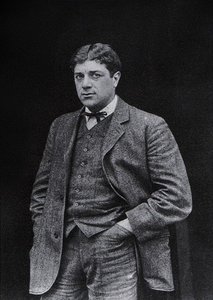
Georges Braque
1882 - 1963 , Francia
Datos clave
- Artistas Influenciados Por Este Artista: ['Pablo Picasso']
- Artistas Que Influyeron:
- Henri Matisse
- André Derain
- Paul Cézanne
- Fecha De Muerte: 31 de agosto de 1963
- Fecha De Nacimiento: 13 de mayo de 1882
- Lugar De Nacimiento: Argenteuil, Francia
- Movimiento Artístico: Cubismo, Fauvismo
- Nacionalidad: Francés
- Nombre Completo: Georges Braque
- Obras Notables:
- Casas en L'Estaque
- La paciencia (Fauvismo)
- Violin y Paleta
- Mandola
Artículos relacionados
Deconstructing Reality: A Comprehensive Exploration of Cubist Still Life
Explore the revolutionary world of Cubist Still Life with ArtsDot. Discover Picasso & Braque's groundbreaking techniques, its philosophical roots, and lasting impact on modern art. Expert insights for collectors.

Silent Narratives: Exploring the Enduring Appeal of Still Life Painting Across Centuries
Explore the rich history of still life painting with ArtsDot. Discover Dutch Masters, decode vanitas symbolism & learn about collecting timeless art. Expert insights and museum-quality reproductions.

Georges Braque: Las 25 Obras Maestras del Cubismo y su Legado en el Arte Moderno
Descubre las 25 obras maestras de Georges Braque, pionero del cubismo. Explora su innovadora técnica, colores y el legado del arte moderno francés. Reproducciones de alta calidad en ArtsDot.com. ¡Encuentra tu inspiración!

Más Allá del Retrato: Bodegones Personalizados, un Legado Artístico para Espacios Exclusivos
Cree bodegones personalizados únicos para su hotel con ArtsDot. Expertos artistas reproducen obras maestras o crean piezas originales a medida. Calidad excepcional, confianza y un legado artístico duradero.

Echoes of Time: Exploring the Enduring Appeal & Historical Context of Vintage Art Prints
Explore the captivating world of vintage art prints! Discover their history, collecting tips & enduring appeal. Expert insights on chromolithography and building a legacy collection with ArtsDot.



