


 Vista previa
 Compartir
 Compartir
 Ver detalles

 Descargar
 Ver similares
 Radiografía
 Presentación de diapositivas
Campesinos peleando
 Óleo sobre lienzo
- Arte de pared
- Romanticismo
 26.0 x 34.0 cm
 Galería de Pinturas Antiguas
 Leer más
Reproducción al óleo hecha a mano
Óleo sobre lienzo pintado a mano en el tamaño y marco de su elección, realizado por encargo por nuestros artistas. ( Cambiar a impresión Cambiar a imagen)




P118B $10

P118H $10

P118W $10

P438Z $10

P508JH $12

P508YH $12

P805H $10

P805Z $10

P919BZ $10

P919G $10

P919XJ $10

P959ZH $10

P968JZ $12

W106C $8

W218G $10

W218JH $8

W218Y $10

W307PJ $10

W316G $10

W316PJ $8

W316Y $10

W398PJ $8

W4111J $10

W500HY $15

W500JH $15

W692G $12

W849H $8

W940BG $15

W953PJ $8




Elija entre nuestros tamaños predefinidos que respetan las proporciones originales de la obra.

Puede ingresar sus propias dimensiones para adaptarse a un marco o espacio específico. Si el tamaño seleccionado no coincide con las proporciones de la imagen original, recortaremos la obra o extenderemos la pintura con elementos adicionales pintados a mano. Se le enviará una maqueta digital para su aprobación antes de comenzar la producción.
Tenga en cuenta que la vista previa en pantalla no refleja el recorte o la extensión reales. Solo la maqueta mostrará con precisión la composición final.
Si bien existen tamaños personalizados, recomendamos seleccionar una dimensión de la lista predefinida para preservar las proporciones originales.
Tras realizar el pedido, el equipo de ArtsDot.com enviará un correo electrónico al cliente para solicitar instrucciones y proporcionarle una vista previa del boceto.
Envío a todo el mundo () en 3-4 semanas en lugar de las 5 semanas estándar. (7 agosto). Sin comprometer la calidad.

Envío exprés gratuito a todo el mundo

Lienzo de lino de alta calidad

Seguro de envío completo

Garantía de reembolso de aranceles aduaneros

Garantía de fidelidad cromática exacta

Política de devolución de 60 días (solo por defectos)

Garantía de devolución del 100% del dinero

Oferta por volumen
 La opción de vidrio solo está disponible en tamaños inferiores a 110 cm.

Campesinos peleando
Técnica de reproducción
Tamaño de la reproducción
-


Precio total
$ 338
Descripción de la obra
A Chaotic Tableau of Human Nature: Adriaen Brouwer’s “Brawling Peasants”
Adriaen Brouwer's "Brawling Peasants" isn’t merely a depiction of a brawl; it’s a visceral snapshot of 17th-century life, a raw and unflinching portrayal of the everyday struggles and simmering tensions that underpinned rural existence. Painted around 1630 – a period marked by social unrest and economic hardship in the Netherlands – this work transcends simple violence to offer a profound commentary on human nature itself. Brouwer, a master of genre painting, eschews idealized representations, instead presenting a scene of brutal honesty, capturing the messy reality of peasant life with remarkable immediacy. The composition is deliberately crowded, almost claustrophobic, drawing the viewer into the heart of the conflict and forcing them to confront the physicality of the struggle.
The scene unfolds within what appears to be a dimly lit workshop or storage area – a space that immediately suggests confinement and perhaps even a degree of desperation. A single man lies prone on the floor, subjected to a vicious beating with a club; his face contorted in agony, his body a testament to the violence inflicted upon him. Around him, other men engage in a chaotic dance of aggression, their movements frenzied and uncontrolled. The figures are rendered with a remarkable lack of sentimentality – no heroic gestures, no noble motivations, simply the brutal act of physical confrontation. Brouwer’s skill lies not in glorifying conflict but in exposing its ugly core.
A Masterclass in Technique: Impasto and Gesture
Brouwer's technique is a crucial element in conveying the painting’s emotional intensity. He employs a thick, impastoed application of oil paint, building up layers of color to create a remarkably tactile surface. This heavy use of paint isn’t merely decorative; it adds weight and physicality to the scene, mirroring the violence depicted within. The brushstrokes are loose and gestural, capturing the energy and movement of the figures with remarkable dynamism. Lines are rough and expressive, conveying a sense of urgency and unrestrained emotion – a deliberate departure from the smoother, more polished styles prevalent at the time.
Notice particularly the rendering of skin and clothing. The impasto technique creates a shimmering effect, highlighting the textures of fabric and flesh with remarkable realism. Shadows are deep and dramatic, contributing to the painting’s overall sense of darkness and foreboding. The uneven lighting further emphasizes the chaos of the scene, drawing attention to key moments of action while obscuring details and creating an atmosphere of suspense.
Historical Context: Peasant Life and Social Unrest
To fully appreciate “Brawling Peasants,” it’s essential to understand the historical context in which it was created. The 17th century was a period of significant social upheaval in the Netherlands, marked by economic hardship, religious tensions, and widespread poverty among the peasantry. Brouwer's paintings often depicted scenes from this marginalized segment of society – their drinking habits, their disputes, their struggles for survival. The painting reflects a broader trend within Dutch art to move away from idealized depictions of aristocratic life and towards a more realistic portrayal of everyday people.
Brouwer’s work aligns with the burgeoning genre of “tronies” – small, intimate portraits that focused on capturing fleeting expressions of emotion. “Brawling Peasants,” however, transcends the conventions of the tronie by presenting a full-scale drama, exploring themes of violence, power, and social inequality. The painting serves as a powerful reminder of the precariousness of life for those living on the margins of society.
Symbolism and Emotional Resonance
Beyond its immediate depiction of violence, “Brawling Peasants” is rich in symbolic meaning. The prone figure represents vulnerability and helplessness, while the aggressors embody the forces of power and control. The chaotic scene can be interpreted as a metaphor for the broader social unrest that plagued the Netherlands during Brouwer’s time – a reflection of simmering tensions beneath the surface of everyday life. The painting's raw emotional intensity continues to resonate with viewers today, prompting questions about human nature, social justice, and the enduring cycle of violence.
Reproductions of this powerful work offer an opportunity to experience Brouwer’s masterful technique and insightful commentary on the human condition. Its dramatic composition and visceral depiction of conflict make it a compelling addition to any collection, while its historical context provides valuable insight into the social and economic realities of 17th-century Europe.
Obras relacionadas


Biografía del artista
Primeros Años y Trasfondo
- Nacimiento: Oudenaarde, Bélgica (1605/1635)
- Fallecimiento: 1638
- Su padre era diseñador de tapices.
- Adriaen Brouwer enfrentó dificultades desde temprana edad; la muerte de su padre a los 15 años lo obligó a dejar su hogar.
Desarrollo Artístico y Pintura de Género
- Brouwer se hizo conocido por sus vívidas representaciones de la vida cotidiana, particularmente escenas con campesinos, soldados y gente común.
- Fue un innovador clave en la pintura de género – arte que retrata escenas de la vida ordinaria.
- Sus pinturas a menudo representaban beber, fumar, jugar cartas y otras actividades de las clases bajas.
- Obras notables incluyen "Pobres bebiendo en una taberna", "Pequeños agricultores jugando a las cartas", "El Fumador", "La Schlachtfest", "La Riña", "Paisaje iluminado por la luna", "Campesino borracho en una taberna", "Campesinos jugando a las cartas en una taberna" y "Bebedores en el patio".
Influencias y Estilo Artístico
- Primitivos Flamencos: El trabajo de Brouwer estuvo influenciado por el realismo detallado de los pintores primitivos flamencos.
- Arte Barroco: Sus pinturas a menudo incorporaban una iluminación dramática e intensas emociones, características del arte barroco.
- Su estilo mezclaba realismo con un sentido del humor y observación animada.
Legado e Influencia
- El trabajo de Brouwer influyó significativamente en generaciones posteriores de pintores flamencos y holandeses.
- Ayudó a establecer la pintura de género como una fuerza importante en el arte del siglo XVII.
- David Teniers el Joven fue uno de los artistas que se inspiraron en el enfoque innovador de Brouwer para representar la vida cotidiana.
Significado Histórico
- Las pinturas de Brouwer ofrecen valiosas perspectivas sobre las costumbres sociales y las rutinas diarias de Flandes y la República Holandesa en el siglo XVII.
- Su enfoque en personas comunes elevó la pintura de género, contribuyendo a su creciente popularidad e importancia dentro del mundo del arte.
- Sus obras se conservan en museos como el Koninklijk Museum voor Schone Kunsten en Amberes, Bélgica.

Adriaen Brouwer
1635 - 1638 , Bélgica
Datos clave
- Artistas Influenciados: ['David Teniers el Joven']
- Artistas Que Influyeron: ['Primitivos flamencos']
- Fecha De Fallecimiento: 1638
- Fecha De Nacimiento: 1605 (aproximada)
- Lugar De Nacimiento: Oudenarde, Bélgica
- Movimiento Artístico: Barroco, género
- Nacionalidad: Flamenco
- Nombre Completo: Adriaen Brouwer
- Obras Notables:
- Pobres bebiendo en taberna
- Pequeños campesinos jugando cartas
- El fumador
- La Schlachtfest
- La pelea
- Paisaje iluminado por la luna
- Campesino borracho en taberna
- Campesinos jugando a las cartas
- Bebedores en el patio
Artículos relacionados

Las 25 Obras Maestras del MET: Arte, Historia y Decoración para tu Hogar
Descubre las 25 obras maestras del MET de Nueva York: Van Gogh, Monet, Rembrandt y más. Explora la historia, el arte y los colores que inspiran tu hogar. Reproducciones de museo en ArtsDot.com.

Adriaen Brouwer: Capturing Dutch Life & Social Commentary Through Genre Painting
Explore the captivating world of Adriaen Brouwer, a master of Dutch Golden Age genre painting. Discover his vivid depictions of peasant life, social commentary, and lasting influence on art history. Learn more at ArtsDot.

James Abbott McNeill Whistler: Las 25 Obras Maestras del Maestro del Arte y la Atmósfera | ArtsDot
Descubre las 25 obras maestras de James Abbott McNeill Whistler, el maestro del impresionismo y la armonía en arte. Explora retratos icónicos, nocturnos evocadores y su innovadora paleta de colores. Reproducciones de arte exclusivas en ArtsDot.com.

Henri Matisse: Las 25 Obras Maestras que Definieron un Genio del Color | ArtsDot
Descubre las 25 obras maestras de Henri Matisse, el rey del color y padre del fauvismo. Explora su arte moderno, lienzos vibrantes y la historia detrás de cada pintura icónica. Encuentra reproducciones de alta calidad en ArtsDot.com.
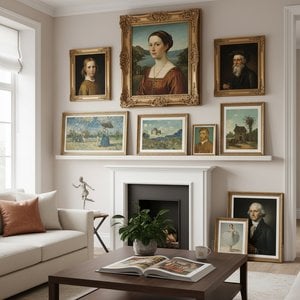
Las 25 Obras Maestras del National Gallery of Art: Arte, Historia y Decoración Exclusiva
Descubre las 25 obras maestras del National Gallery of Art, Washington. Explora la historia de Cézanne, Matisse, Picasso y más. Encuentra reproducciones de arte exclusivas e ideas para decorar tu hogar con lienzos inolvidables en ArtsDot.com.



