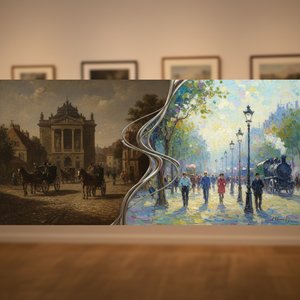
A Sanctuary of Human Creativity
Nestled within the intellectual heart of New Jersey, the University Art Museum stands as a profound testament to the enduring power of human creativity. Since its inception in 1882, the museum has functioned not merely as a repository for objects, but as a living dialogue between the past and the present. It is a sanctuary where the grandeur of antiquity meets the experimental spirit of the contemporary era, inviting scholars and casual observers alike to wander through a breathtaking panorama of global heritage. To step into its halls is to embark on a journey that spans millennia, tracing the evolution of human thought through the delicate brushstrokes of masters and the enduring weight of ancient marble.
The museum’s collection is a masterclass in diversity, offering a curated experience that resonates deeply with collectors and art enthusiasts. Visitors may find themselves captivated by the evocative landscapes of Winslow Homer or lost in the dramatic, soulful expressions found in the works of Vasily Ivanoch Surikov . This breadth extends far beyond the canvas; the museum holds an unparalleled photographic archive, boasting over 27,000 prints that document the very dawn of the medium. These images serve as a poignant window into history, capturing fleeting moments of light and landscape with a precision that continues to influence modern aesthetic sensibilities. For the interior designer seeking inspiration, the museum’s ability to juxtapose the classical with the avant-garde provides an endless wellspring of texture, color, and historical narrative.
A Tapestry of Global Heritage
One of the most extraordinary facets of the museum is its connection to the earth itself, specifically through the pioneering archaeological excavations at Antioch . This remarkable collection of Greek and Roman ceramics, bronzes, and intricate mosaics offers a tactile connection to the classical world, bringing the artistry of ancient civilizations into a modern light. This commitment to historical stewardship is further reflected in the museum’s prestigious affiliation with The Monuments Men and Women Network , an alliance that underscores its dedication to the ethical preservation of cultural treasures during times of global upheaval.
Beyond the classical world, the museum offers a meditative retreat through its Asian Art collection, where one might encounter:
- The delicate precision of calligraphy scrolls.
- The serene presence of Buddhist bronze iconography.
- The luminous beauty of fine porcelain.
A Visionary Future
As the museum prepares for a transformative new chapter, its architectural narrative is undergoing a metamorphosis designed by the visionary David Adjaye Architects . The forthcoming expansion is a poetic blend of tradition and innovation, echoing the historic red brick aesthetic—notably featuring imported bricks from Denmark—while introducing cutting-edge design principles. This revitalization promises to redefine the visitor experience through immersive exhibits and interactive virtual reality tours, ensuring that the encounter with art remains a dynamic, sensory journey. As the new structure nears its anticipated 2025 reopening, the University Art Museum continues to evolve, remaining a vital catalyst for cultural enrichment and a beacon of innovation where history and the future seamlessly converge.