A Sun-Drenched Legacy: Immersing Yourself in the World of Joaquín Sorolla
Nestled within a meticulously preserved Madrid home—once the very heart of the artist’s life and studio—the Museo Sorolla offers an unparalleled journey into the luminous world of one of Spain's most beloved Impressionist masters. More than simply a repository of paintings, it’s an intimate encounter with Joaquín Sorolla himself, a man who dedicated his life to capturing the fleeting beauty of light, color, and everyday Spanish life. Currently undergoing a significant renovation slated for completion in 2026, the museum invites visitors to step back in time and experience the creative process behind some of Spain’s most celebrated artworks. The building itself—designed by the talented Enrique María Repullés—is an integral part of the experience; conceived with an unwavering commitment to maximizing natural illumination, its airy rooms and expansive windows mirror Sorolla's own artistic philosophy – a celebration of light and atmosphere.
- A House as a Canvas: The museum’s architecture isn’t merely decorative; it’s intrinsically linked to Sorolla’s art. Every detail, from the strategically placed windows to the carefully chosen materials, contributes to the overall effect of radiant warmth and vibrant color.
- The Artist's Studio: A visit to the studio is a truly transformative experience. Canvases lean against walls, brushes rest on palettes, and the air still seems to hum with creative energy—a tangible reminder of Sorolla’s tireless dedication to his craft.
Capturing Light and Life: Highlights of the Collection
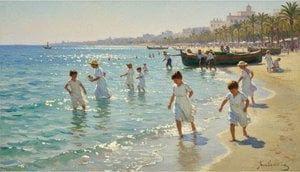
Sorolla's paintings are renowned for their ability to evoke a profound sense of warmth, joy, and immediacy. He possessed an extraordinary gift for transforming ordinary scenes—a stroll along the beach, a garden bathed in sunlight, a family gathering—into breathtaking works of art. His collection showcases his artistic evolution, beginning with more academic styles and culminating in his mature Impressionistic style. Key pieces offer glimpses into his fascination with capturing fleeting moments: children playing on the shores of Valencia, women tending to their gardens, fishermen returning with their daily catch. These aren’t grand historical narratives; they are intimate portrayals of Spanish life, rendered with a remarkable sensitivity to light and color. Works such as “Walk on the Beach” (1903) and “Elena in a Yellow Tunic” (1907) exemplify his mastery—not just in depicting scenes, but in conveying the very essence of human experience.
- “Another Marguerite” (1892): This early success established Sorolla’s reputation and showcased his ability to capture light and color with remarkable precision.
- “Sad Inheritance” (1899): A poignant masterpiece that tackled a difficult subject—the suffering of children afflicted by congenital syphilis—with both compassion and artistic brilliance. It's considered one of Sorolla’s most emotionally resonant works.
- Portraits of Family: The museum houses a remarkable collection of portraits, capturing the likenesses and personalities of Sorolla’s wife, Clotilde, and his three children – María Clotilde, Joaquín, and Elena. These intimate depictions offer a rare glimpse into the artist's personal life.
A Legacy Preserved: Looking Ahead to 2026
While the Museo Sorolla is currently closed for extensive renovations—a project aimed at preserving the building’s architectural integrity and enhancing the visitor experience—the anticipation surrounding its reopening in 2026 is palpable. The restoration will not only safeguard this national treasure but also ensure that future generations can fully appreciate Sorolla's legacy. During the closure, select pieces from the collection are currently on display at the Royal Collections Gallery in Madrid, offering a tantalizing preview of what awaits visitors upon the museum’s grand reopening. The Museo Sorolla stands as a vital cultural institution—a testament to the power of art to illuminate our lives and connect us to the past.
Additional Research & Context
Historical Significance: The Sorolla Museum is deeply intertwined with Madrid's history, reflecting the city’s evolution from a medieval outpost to a vibrant cultural center. Its location within a historic home provides valuable insights into the social and artistic context of the late 19th and early 20th centuries.
Architectural Details: Enrique María Repullés' design is a masterpiece of light and space, perfectly complementing Sorolla’s artistic vision. The building’s orientation and window placement were meticulously planned to maximize natural illumination—a key element in Sorolla’s painting technique.
Family Connections: Sorolla’s family played an integral role in preserving his legacy. His daughter, Elena Sorolla, was a talented artist herself, continuing the family's artistic tradition and contributing significantly to the museum’s collection.
Resources for Further Exploration:
- Wikipedia - Sorolla Museum : Provides a comprehensive overview of the museum's history, collection, and current status.
- Google Arts & Culture - Museo Sorolla : Offers virtual tours and detailed information about the museum’s exhibits.