A Sanctuary of Scientific Legacy: The Soul of Musée Pasteur
Nestled within the historic Institut Pasteur in Paris’s 15th arrondissement lies a destination unlike any other—the Musée Pasteur . It is not merely a repository of scientific artifacts, but a deeply personal and evocative tribute to the life and groundbreaking work of Louis Pasteur, a figure who irrevocably altered our understanding of the microbial world and revolutionized medicine. Stepping across its threshold is akin to entering a preserved moment in time, an intimate encounter with the mind that birthed pasteurization, vaccination, and a new era of public health. The building itself, classified as a historical monument, stands as a testament to both architectural beauty and scientific ambition.
The heart of the museum is undoubtedly Louis Pasteur’s apartment—a remarkably preserved space where he spent the final seven years of his life. It is not a grand, ostentatious display, but rather an intensely personal environment that offers a rare glimpse into the daily routines and intellectual pursuits of this scientific giant. Visitors can wander through rooms filled with his furniture, books, and personal belongings, gaining a profound sense of connection to the man who dedicated his life to unraveling the mysteries of disease. Beyond the domestic intimacy of the apartment, the museum boasts an extraordinary collection of over 1,000 scientific instruments. These delicate pieces of glassware, meticulously crafted microscopes, and specialized apparatuses are more than just tools; they are tangible links to a period of intense experimentation, illustrating the ingenuity required to conduct groundbreaking microbiological investigations with the technology available at the time.
Where Science Meets Spiritual Grandeur
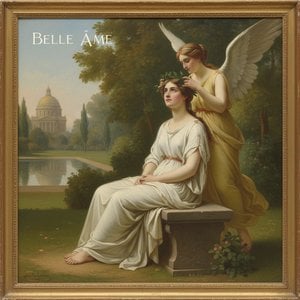
Transcending its role as a scientific archive, the museum features a truly breathtaking architectural marvel: the Neo-Byzantine chapel . This stunning space serves not only as a place of worship but also as Louis Pasteur’s final resting place, creating a powerful convergence of science, art, and spirituality. The chapel's intricate mosaics, ornate decorations, and serene atmosphere evoke a sense of reverence and contemplation, inviting visitors to reflect on the profound impact of Pasteur’s work on humanity. The choice of Neo-Byzantine style itself speaks volumes, drawing upon an artistic tradition known for its symbolic richness and spiritual depth—a fitting tribute to a scientist whose discoveries were often perceived as miraculous in their ability to combat disease. Within this sacred space, Galloche’s paintings adorn the walls, capturing Pasteur's spirit and highlighting the chapel's grandeur.
What truly sets the Musée Pasteur apart from contemporary science museums is its ability to foster empathy through historical context. It does not simply prioritize abstract principles; instead, it explores how Pasteur thought, where he worked, and who he was as a man. Recent exhibitions have continued this tradition, delving into his influence on fields ranging from bacteriology to immunology by showcasing original manuscripts and illustrating the evolution of scientific thought. For art lovers, collectors, and historians alike, the museum offers a unique opportunity to witness the intersection of human perseverance and scientific brilliance, where the past comes alive to inspire future generations to pursue the boundaries of knowledge.