


A Citadel of German Identity: The Soul of Nuremberg
In the heart of Nuremberg, a city where the echoes of imperial grandeur meet the somber reflections of a complex history, stands the Germanisches Nationalmuseum . To enter this institution is to step beyond the threshold of a mere museum and into a vibrant chronicle of German-speaking lands. Founded in 1852, the museum was born from a profound desire to define a collective cultural identity, acting as a sanctuary for the treasures that have shaped generations. It is not simply a repository of static artifacts but a living dialogue between the prehistoric whispers of antiquity and the dynamic, pulsing currents of contemporary life. For the art lover or the discerning collector, the museum offers an unparalleled journey through time, where every object serves as a window into the human condition.
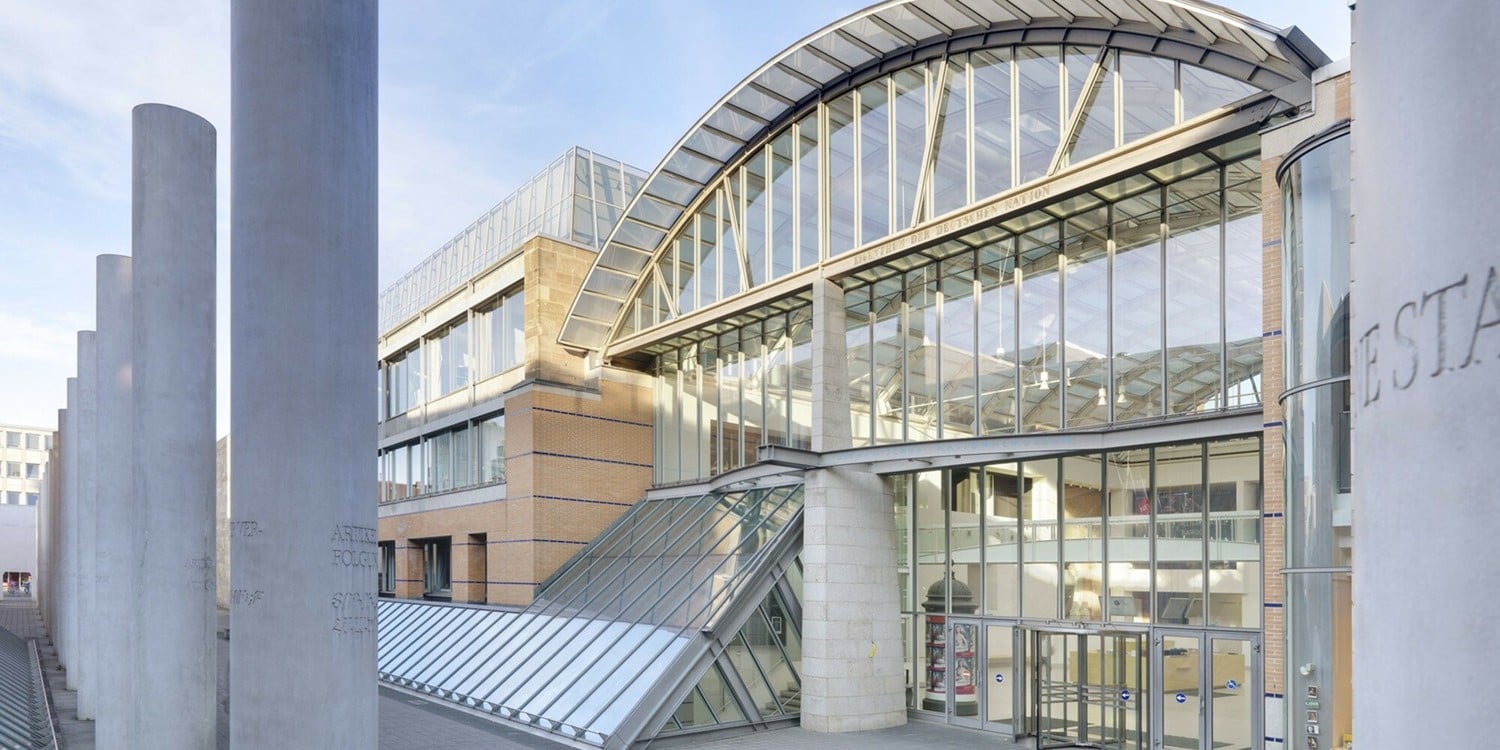
The architecture of the museum itself tells a story of resilience and transformation. Situated along the medieval city walls, the complex is a fascinating palimpsest of historical layers. The museum’s roots are anchored in the remnants of the former Nuremberg Charterhouse, a medieval structure that lends an evocative, spiritual gravity to the halls. As decades passed, Neo-Gothic extensions were woven into the fabric of the building, adding a sense of romantic grandeur that complements its scholarly mission. Even the scars of World War II have been integrated into its narrative; post-war reconstructions by visionary architects like Sep Ruf and Jan Størmer have masterfully blended historical preservation with modern design. A particularly moving highlight is the Way of Human Rights , a contemporary installation by sculptor Dani Karavan at Kartäusergasse, which invites visitors to engage with profound ethical reflections even before they reach the galleries.
A Tapestry of Artistic Mastery and Cultural Heritage
The collection within the Germanisches Nationalmuseum is nothing short of astonishing, offering a panoramic view that few institutions can match. It is a place where high art and everyday culture converge in a seamless dance of beauty and utility. Visitors may find themselves captivated by the raw, visceral emotion of Expressionism, exemplified by Ernst Ludwig Kirchner’s The Drinker , only to be transported moments later to the delicate intricacy of Celtic jewelry or the monumental weight of Baroque sculpture. The museum’s holdings are a treasure trove for those seeking authentic period details; from the masterful woodcuts of Hans Leonhard Schäufelein to breathtaking Impressionist canvases, the breadth of the collection provides endless inspiration for interior designers and historians alike.
What truly distinguishes this institution is its refusal to specialize in isolation. Instead, it celebrates the interconnectedness of art, history, and society. The museum’s scholarly rigor ensures that every piece—whether a monumental masterpiece or a humble everyday object—is presented with nuance and accuracy. Through regularly updated exhibitions that explore themes ranging from the evolution of artistic movements to the impact of social change, the GNM remains a vital center for intellectual discovery. It is a destination where the past is not merely preserved but actively reinterpreted, making it an essential pilgrimage for anyone seeking to understand the profound cultural tapestry of Germany.


