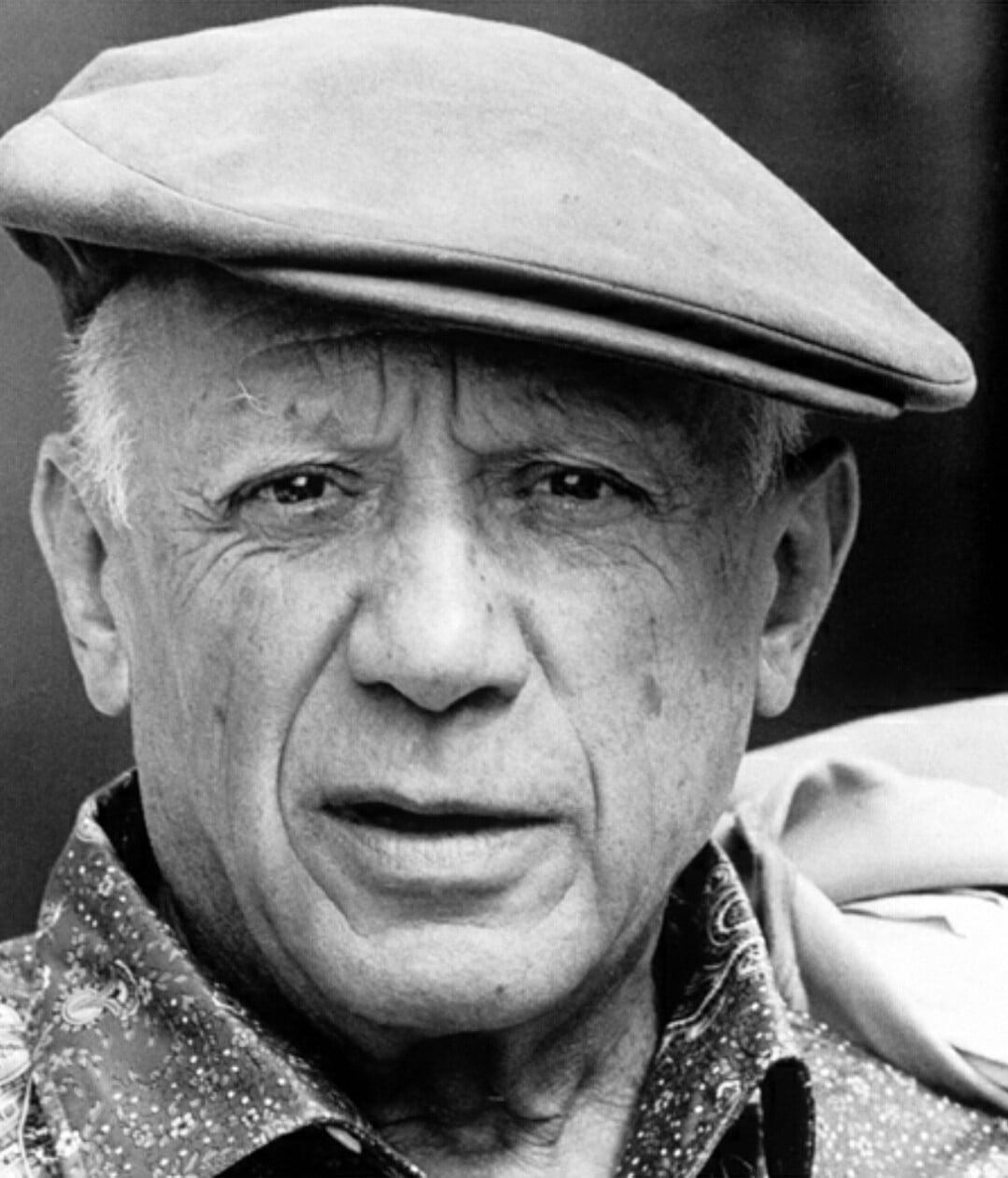
Πορτρέτο του Πάμπλο Πικάσο

Πάμπλο Πικάσο's Most Famous Paintings: All 100, Ranked

Ενημερωμένο Οκτώβριος 2026 · κατάταξη βάσει του σκορ δημοφιλίας μας (αναζητήσεις, επισκέψεις και παραγγελίες για κάθε έργο) · 2.365 έργα του Πάμπλο Πικάσο στον κατάλογό μας

In short

The Πάμπλο Πικάσο painting most people know is Γκουέρνικα (1937), and you can see it at the Museo Nacional Centro de Arte Reina Sofía, Μαδρίτη. Right after it come Οι Νέες της Αβινιόν (1907) and Weeping Woman (1937). Out of 2,365 works by Πάμπλο Πικάσο in our catalogue, these 100 are the best known. Each one comes with its year, its museum and a short note on what makes it stand out.

1881 – 1973, Μάλαγα Κουβισμός Περισσότερα έργα: MoMA - Museum of Modern Art

Πάμπλο Πικάσο's top 10: the pieces everyone knows

1
Γκουέρνικα (1937) του Πάμπλο Πικάσο

Γκουέρνικα

1937 · Άνθρακα και λάδι σε καμβά · Museo Nacional Centro de Arte Reina Sofía, Μαδρίτη

Η «Guernica», ολοκληρωμένη το 1937, δεν είναι απλώς ένας πίνακας· είναι μια σπλαχνική αντίδραση στους φόβους του πολέμου και ένα ισχυρό σύμβολο της αντιφασιστικής αντίστασης. Με τεράστιες διαστάσεις (349 x 776 εκ.), αυτό το μονοχρωματικό αριστούργημα δεν απεικονίζει μια συγκεκριμένη μάχη, αλλά την καθολική ταλαιπωρία που επιβάλλεται σε αθώους πολίτες κατά τη διάρκεια των συγκρούσεων. Παραμένει μία από τις πιο συγκινητικές και σημαντικές καλλιτεχνικές δηλώσεις που έχουν δημιουργηθεί ποτέ, συνεχίζοντας…

2
Οι Νέες της Αβινιόν (1907) του Πάμπλο Πικάσο

Οι Νέες της Αβινιόν

1907 · Άνθρακα και λάδι σε καμβά · MoMA - Museum of Modern Art, Νέα Υόρκη

Το 1907, ο Πικάσο δεν απλά ζωγράφισε έναν πίνακα. Άνοιξε μια πληγή στην ιστορία της τέχνης, πυροδοτώντας την έκρηξη του Κυβισμού και, κατ’ επέκταση, της σύγχρονης τέχνης συνολικά. Οι «Νέες Κυρίες της Αβινιόν», ένα μνημειώδες έργο διαστάσεων 244 x 234 εκ., δεν επιβάλλεται μόνο λόγω του μεγέθους του, αλλά και λόγω της ριζικής απομάκρυνσής του από αιώνες καλλιτεχνικής παράδοσης. Αποτελεί μια συνειδητή ρήξη με τους κανόνες της αναπαράστασης, ένα τολμηρό…

3
Weeping Woman (1937) του Πάμπλο Πικάσο

Weeping Woman

1937 · Acrylic On Canvas · Tate Modern, Λονδίνο

The Haunting Beauty of Picasso’s Weeping Woman The Weeping Woman, painted in 1937 by Pablo Picasso during the tumultuous period surrounding Guernica, transcends mere visual representation; it embodies a profound exploration of grief and psychological torment. More than just an image, it's a visceral reaction to the horrors unfolding across Europe – specifically, the devastating bombing of Guernica by Nazi Germany’s Luftwaffe during the Spanish Civil War. Picasso himself wrestled…

4
Ο Γηραστός Γυαριστάς του Πάμπλο Πικάσο

Ο Γηραστός Γυαριστάς

Άνθρακα σε πάνελ · Art Institute of Chicago, Σικάγκο

Ο Γηραστός Γυαριστάς του Πάμπλο Πικάσο, που ζωγραφίστηκε μεταξύ 1903 και 1904 κατά τη διάρκεια της έντονα συγκινητικής Μπλε Περιόδου, δεν είναι απλώς μια απεικόνιση ενός ηλικιωμένου μουσικού· είναι μια βαθιά μελέτη πάνω στη φτώχεια, την απομόνωση και την ανθεκτική ψυχή μέσα στην ανθρώπινη οδύνη. Αποτυπμένο με ένα μαθητεία συνδυασμό σκοτεινών αποχρώσεων και παραμορφωμένων μορφών, το έργο προκαλεί αμέσως τον θεατή να εισέλθει σε έναν κόσμο βυθισμένο στη μελαγχολία, προσκαλώντας…

5
Γυναίκες του Αλγερίου (Έκδοση Ο) (1955) του Πάμπλο Πικάσο

Γυναίκες του Αλγερίου (Έκδοση Ο)

1955 · Άνθρακα και λάδι σε καμβά

Ζωγραφισμένο το 1955, αυτό το ζωηρό και σύνθετο έργο αντιπροσωπεύει τη βαθιά ενασχόληση του Πάμπλο Πικάσο με την ιστορία της τέχνης και τη συνεχή εξερεύνησή του των αρχών του Κυβισμού. Ως μέρος μιας διάσημης σειράς δεκαπέντε παραλλαγών εμπνευσμένων από το «Γυναίκες του Αλγερίου» του Ευγένιου Ντελακρουά, αυτή η συγκεκριμένη έκδοση – που ορίζεται ως ‘Έκδοση Ο’ – στέκεται ως ένα κορύφωμα στο καλλιτεχνικό ταξίδι του Πικάσο, παρουσιάζοντας τόσο φόρο τιμής…

6
Ένα αγόρι με πίπα (1905) του Πάμπλο Πικάσο

Ένα αγόρι με πίπα

1905 · Άνθρακα και λάδι σε καμβά

Α έργο του Πικάσο της Ροζ Περίοδου Αυτό το συναρπαστικό έργο ενσαρκώνει την ήρεμη αλλά μελαγχολική ψυχή του Πάβλο Πικασού, ενός από τους πιο σημαντικούς καλλιτέχνες του 20ου αιώνα. Ζωγραφισμένο το 1905, αυτό το έργο αποτελεί μια εκπληκτική ματιά στην τέχνη της Ροζ Περίοδου και είναι ένα από τα πιο γνωστά κομμάτια του καλλιτέχνη. Η δημιουργία του Πικασού ήταν μια προσπάθεια να αποτυπωθεί η ατμόσφαιρα μιας εποχής που είχε ήδη…

7
Η Ζωή (1903) του Πάμπλο Πικάσο

Η Ζωή

1903 · Άνθρακα και λάδι σε καμβά

Το έργο «La Vie» (Η Ζωή), που δημιουργήθηκε το 1903, στέκεται ως ένα από τα πιο βαθυστόχαστα και αινιγματικά έργα του Πάμπλο Πικάσο από την περίφημη Μπλε Περίοδο του. Αυτό το μεγαλειώδες κάνβας αποτυπώνει την ουσία της ανθρώπινης συναισθήματος, της ευαλωτότητας και της εσωτερικής αναζήτησης μέσα από μια μελαγχολική μπλε παλέτα και απλοποιημένες μορφές. Ως ένα κομβικό κομμάτι στην ιστορία της μοντέρνας τέχνης, η «La Vie» προσφέρει μια βαθιά εξερεύνηση…

8
Girl Before a Mirror του Πάμπλο Πικάσο

Girl Before a Mirror

Oil On Canvas

In the vibrant tapestry of twentieth-century art, few works capture the intoxicating tension between reality and perception as profoundly as Pablo Picasso’s “Girl Before a Mirror.” Painted in March 1932, this oil on canvas is far more than a mere portrait; it is a psychological threshold. The subject, Marie-Th려는se Walter—Picasso’s youthful muse and lover—stands before her reflection, yet the image we witness is not a simple moment of vanity. Instead,…

9
Seated Woman: Dora Maar (1941) του Πάμπλο Πικάσο

Seated Woman: Dora Maar

1941 · Oil On Canvas · Bavarian State Painting Collections, Μόναχο

In this 1941 portrait, Pablo Picasso turns his attention to Dora Maar. The work is a significant example of the Surrealism style, emerging from the artist's Neoclassicist & Surrealist Period. It captures the subject, Dora Maar, in a moment of quiet, fractured presence. The painting is an oil on canvas, currently held within the collections of the Neue Pinakothek in Munich, Germany.

10
Η Οικογένεια των Σαλτιμπανκίων (1905) του Πάμπλο Πικάσο

Η Οικογένεια των Σαλτιμπανκίων

1905 · Άνθρακα και λάδι σε καμβά · Εθνική Πινακοθήκη Τέχνης, Ουάσινγκτον

Το έργο "Η Οικογένεια των Σαλτιμπανκών" (1905) του Πάμπλο Πικάσο δεν είναι απλώς μια απεικόνιση μιας ομάδας καλλιτεχνών, αλλά μια βαθιά εξερεύνηση της ανθρώπινης κατάστασης. Δημιουργήθηκε στην καρδιά της Rose Period του καλλιτέχνη, μια εποχή μετατόπισης και αναζήτησης, όπου ο Πικάσο βρήκε έμπνευση στους χορότες του δρόμου, τους αερόβιακες και τους καλλιτέχνες που ζούσαν στις άκρες της κοινωνίας. Η εικόνα, με τις διαστάσεις 213 x 230 εκ., απεικονίζει μια ομάδα…

Keep exploring Πάμπλο Πικάσο: 11 to 100

11Girl on the ball (1905) του Πάμπλο ΠικάσοGirl on the ball1905 12Portrait of Gertrude Stein (1906) του Πάμπλο ΠικάσοPortrait of Gertrude Stein1906 13Τρεις Μουσικοί (1921) του Πάμπλο ΠικάσοΤρεις Μουσικοί1921 · MoMA - Museum of Modern Art 14Πορτρέτο του Αμβρόσιου Βολάρ (1910) του Πάμπλο ΠικάσοΠορτρέτο του Αμβρόσιου Βολάρ1910 · Μουσείο Πούσκιν 15Δύο γυναίκες τρέχουν στην παραλία (Η Αγώγινη) (1922) του Πάμπλο ΠικάσοΔύο γυναίκες τρέχουν στην παραλία (Η Αγώγινη)1922 · Musée Picasso 16Σαβαρές (1901) του Πάμπλο ΠικάσοΣαβαρές1901 · Μουσείο Πούσκιν 17Ο Γιόγκος (1910) του Πάμπλο ΠικάσοΟ Γιόγκος1910 18Μητέρα και παιδί (Μαριθερής και Μαία) (1938) του Πάμπλο ΠικάσοΜητέρα και παιδί (Μαριθερής και Μαία)1938 19Χαριλέν και η οικογένειά του (1908) του Πάμπλο ΠικάσοΧαριλέν και η οικογένειά του1908 20Το Αφοσιωμένο στον Ταυροτάκτη (1912) του Πάμπλο ΠικάσοΤο Αφοσιωμένο στον Ταυροτάκτη1912 21Τηλεστίνη (1904) του Πάμπλο ΠικάσοΤηλεστίνη1904 22Ανθρώπινη φιγούρα σε κήπο του Πάμπλο ΠικάσοΑνθρώπινη φιγούρα σε κήπο 23Ακροβάτης και νεαρός χαριλέας (1905) του Πάμπλο ΠικάσοΑκροβάτης και νεαρός χαριλέας1905 24Η Γυναίκα με τα Κρατημένα Πόδια του Πάμπλο ΠικάσοΗ Γυναίκα με τα Κρατημένα Πόδια 25Μητέρα και Παιδί (1905) του Πάμπλο ΠικάσοΜητέρα και Παιδί1905 26Οι Τρεις Μουσικοί (1921) του Πάμπλο ΠικάσοΟι Τρεις Μουσικοί1921 · MoMA - Museum of Modern Art 27Πορτρέτο της Ντόρα Μαάρ (1937) του Πάμπλο ΠικάσοΠορτρέτο της Ντόρα Μαάρ1937 28Η Φιλία (1908) του Πάμπλο ΠικάσοΗ Φιλία1908 29Jacqueline with flowers (1954) του Πάμπλο ΠικάσοJacqueline with flowers1954 30Αυτοπροσωπογραφία (1906) του Πάμπλο ΠικάσοΑυτοπροσωπογραφία1906 31Night fishing at Antibes (1939) του Πάμπλο ΠικάσοNight fishing at Antibes1939 32Στο «Lapin Agile» (Αρλέκιν με ποτήρι) (1905) του Πάμπλο ΠικάσοΣτο «Lapin Agile» (Αρλέκιν με ποτήρι)1905 33Houses on the hill (1909) του Πάμπλο ΠικάσοHouses on the hill1909 34Girl with mandolin (Fanny Tellier) (1910) του Πάμπλο ΠικάσοGirl with mandolin (Fanny Tellier)1910 35Mediterranean Landscape (1952) του Πάμπλο ΠικάσοMediterranean Landscape1952 36Πορτρέτο της Jacqueline (1961) του Πάμπλο ΠικάσοΠορτρέτο της Jacqueline1961 · Galerie Rosengart 37Οι κοπέλες του Αβίνιון (1907) του Πάμπλο ΠικάσοΟι κοπέλες του Αβίνιון1907 38Πορτρέτο του Δανιήλ-Χένρι Κάχνανουέλερ (1910) του Πάμπλο ΠικάσοΠορτρέτο του Δανιήλ-Χένρι Κάχνανουέλερ1910 · Art Institute of Chicago 39Στατικό ζωγραφικό σε ένα πιάνο του Πάμπλο ΠικάσοΣτατικό ζωγραφικό σε ένα πιάνο 40The Kiss (1925) του Πάμπλο ΠικάσοThe Kiss1925 41Woman with flower (1932) του Πάμπλο ΠικάσοWoman with flower1932 42Woman with book (1932) του Πάμπλο ΠικάσοWoman with book1932 43Blue Nude (1902) του Πάμπλο ΠικάσοBlue Nude1902 44Bull (plate X) (1946) του Πάμπλο ΠικάσοBull (plate X)1946 · MoMA - Museum of Modern Art 45Ένα Παιδί με ένα Κυανόσκουρο (1905) του Πάμπλο ΠικάσοΈνα Παιδί με ένα Κυανόσκουρο1905 46Ο γέρος τυφλός κιθαριστής (1903) του Πάμπλο ΠικάσοΟ γέρος τυφλός κιθαριστής1903 47Κεφάλι Γυναίκας του Πάμπλο ΠικάσοΚεφάλι Γυναίκας 48Ανάκλιση Γυμνού (1964) του Πάμπλο ΠικάσοΑνάκλιση Γυμνού1964 · Ισραηλινό Μουσείο 49A muse (1935) του Πάμπλο ΠικάσοA muse1935 50Γυναίκα με κόκκορα (1938) του Πάμπλο ΠικάσοΓυναίκα με κόκκορα1938 · MoMA - Museum of Modern Art 51The Family of Saltimbanques του Πάμπλο ΠικάσοThe Family of Saltimbanques 52Γυναίκα στο Παράθυρο (1936) του Πάμπλο ΠικάσοΓυναίκα στο Παράθυρο1936 53Still life with cat and lobster (1962) του Πάμπλο ΠικάσοStill life with cat and lobster1962 54Πορτρέτο του Mateu Fernandez de Soto (1901) του Πάμπλο ΠικάσοΠορτρέτο του Mateu Fernandez de Soto1901 55Don Quixote (1955) του Πάμπλο ΠικάσοDon Quixote1955 56Αυτοσχεδίαση (1907) του Πάμπλο ΠικάσοΑυτοσχεδίαση1907 57Πορτραίτο της Μάγιας με την κουκλά του (1938) του Πάμπλο ΠικάσοΠορτραίτο της Μάγιας με την κουκλά του1938 · Musée Picasso 58Πορτραίτο της Ζακλιίν Κροκ με τα χέρια της διασταυρωμένα (1954) του Πάμπλο ΠικάσοΠορτραίτο της Ζακλιίν Κροκ με τα χέρια της διασταυρωμένα1954 59Cat eating a bird (1939) του Πάμπλο ΠικάσοCat eating a bird1939 60The Bird Cage (1923) του Πάμπλο ΠικάσοThe Bird Cage1923 61Detail of Child with a Dove (Boy with a Dove) (1901) του Πάμπλο ΠικάσοDetail of Child with a Dove (Boy with a Dove)1901 62Ulysses and sirens (1946) του Πάμπλο ΠικάσοUlysses and sirens1946 63Μηνύμα των Τέσσερων Γατών του Πάμπλο ΠικάσοΜηνύμα των Τέσσερων Γατών 64Η Πλάση του Κύλισης του Πάμπλο ΠικάσοΗ Πλάση του Κύλισης 65The wine bottle του Πάμπλο ΠικάσοThe wine bottle 66Γυναίκα με Κολιέ (1901) του Πάμπλο ΠικάσοΓυναίκα με Κολιέ1901 · Ισραηλινό Μουσείο 67Head of the Medical Student του Πάμπλο ΠικάσοHead of the Medical Student 68Two acrobats (Harlequin and his companion) (1901) του Πάμπλο ΠικάσοTwo acrobats (Harlequin and his companion)1901 69Dream and Lie of Franco (1937) του Πάμπλο ΠικάσοDream and Lie of Franco1937 70Portrait of the Artist's Mother (1896) του Πάμπλο ΠικάσοPortrait of the Artist's Mother1896 71Dying bull (1934) του Πάμπλο ΠικάσοDying bull1934 72Ο ποτός του αλυσίδου (1901) του Πάμπλο ΠικάσοΟ ποτός του αλυσίδου1901 73Αρχιλοχός (1918) του Πάμπλο ΠικάσοΑρχιλοχός1918 74Woman with raven (1904) του Πάμπλο ΠικάσοWoman with raven1904 75The student (1919) του Πάμπλο ΠικάσοThe student1919 76Στολιστικό ζωγραφικό με λεμόνι και πορτοκάλια (1936) του Πάμπλο ΠικάσοΣτολιστικό ζωγραφικό με λεμόνι και πορτοκάλια1936 77The corrida (1901) του Πάμπλο ΠικάσοThe corrida1901 78Η ταφή του Κασαγέμας. Εμψύχωση του Πάμπλο ΠικάσοΗ ταφή του Κασαγέμας. Εμψύχωση 79El sueño του Πάμπλο ΠικάσοEl sueño 80Ένα όνειρο (1932) του Πάμπλο ΠικάσοΈνα όνειρο1932 81Παιδί με περιστερά (1901) του Πάμπλο ΠικάσοΠαιδί με περιστερά1901 82The Family of Saltimbanques 1 του Πάμπλο ΠικάσοThe Family of Saltimbanques 1 83Naked girl with flower basket (1905) του Πάμπλο ΠικάσοNaked girl with flower basket1905 84Στην «Lapin Agile» (Harlequin με Κύγιο) (1905) του Πάμπλο ΠικάσοΣτην «Lapin Agile» (Harlequin με Κύγιο)1905 85Glass and Bottle of Suze (1912) του Πάμπλο ΠικάσοGlass and Bottle of Suze1912 86Τρεις Χορεύτριες του Πάμπλο ΠικάσοΤρεις Χορεύτριες 87Violin ''Jolie Eva'' (1912) του Πάμπλο ΠικάσοViolin ''Jolie Eva''1912 · Staatsgalerie Stuttgart 88Jacqueline with Crossed Hands του Πάμπλο ΠικάσοJacqueline with Crossed Hands 89Έργο για το σκηνικό του «Parade» του Πάμπλο ΠικάσοΈργο για το σκηνικό του «Parade» 90Night Fishing at Antibes (1939) του Πάμπλο ΠικάσοNight Fishing at Antibes1939 91Boy with pipe του Πάμπλο ΠικάσοBoy with pipe 92Η Συνοπτική Ανάλυση του Έργου «Νύφη και Στολίδι» Πικασσού σε Ελληνική Γλώσσα

Ανάλυση έργου και ιστορική αναφορά για την καλλιτεχνική αξία του έργου και τις επιρροές του στην τέχνη του 20ου αιώνα. Συνοπτική περιγραφή του έργου και των τεχνικών που χρησιμο του Πάμπλο ΠικάσοΗ Συνοπτική Ανάλυση του Έργου «Νύφη και Στολίδι» Πικασσού σε Ελληνική Γλώσσα Ανάλυση έργου και ιστορική αναφορά για την καλλιτεχνική αξία του έργου και τις επιρροές του στην τέχνη του 20ου αιώνα. Συνοπτική περιγραφή του έργου και των τεχνικών που χρησιμο 93Γυναίκα με Βιβλίο (Πορτρέτο της Marie-Thérèse Walter) του Πάμπλο ΠικάσοΓυναίκα με Βιβλίο (Πορτρέτο της Marie-Thérèse Walter) 94Las Meninas (Velazquez) (1957) του Πάμπλο ΠικάσοLas Meninas (Velazquez)1957 95Two nudes and a cat (1903) του Πάμπλο ΠικάσοTwo nudes and a cat1903 96Seated Woman (after Cranach) του Πάμπλο ΠικάσοSeated Woman (after Cranach) 97Μεγάλη γυναίκα που διαβάζει (1937) του Πάμπλο ΠικάσοΜεγάλη γυναίκα που διαβάζει1937 98The Swimmer (1929) του Πάμπλο ΠικάσοThe Swimmer1929 99Αρλεκίνος και γυναίκα με κολιέ (1917) του Πάμπλο ΠικάσοΑρλεκίνος και γυναίκα με κολιέ1917 100Η Σερενάδα (1942) του Πάμπλο ΠικάσοΗ Σερενάδα1942

Πάμπλο Πικάσο's paintings, period by period

What Πάμπλο Πικάσο painted most

The four subjects that come up most often in these pieces, each with its best-known example.

Where you can see Πάμπλο Πικάσο's paintings

Τα 8 μουσεία που φιλοξενούν το μεγαλύτερο μέρος των έργων σε αυτήν τη σελίδα.

Μουσεία Πόλη Έργα του Πάμπλο Πικάσο Πάτρια από αυτή τη λίστα
MoMA - Museum of Modern Art, Νέα ΥόρκηMoMA - Museum of Modern Art Νέα Υόρκη 7 Οι Νέες της Αβινιόν, Τρεις Μουσικοί, Οι Τρεις Μουσικοί
Art Institute of Chicago, ΣικάγκοArt Institute of Chicago Σικάγκο 15 Ο Γηραστός Γυαριστάς, Πορτρέτο του Δανιήλ-Χένρι Κάχνανουέλερ
Ισραηλινό Μουσείο, ΙερουσαλήμΙσραηλινό Μουσείο Ιερουσαλήμ 14 Ανάκλιση Γυμνού, Γυναίκα με Κολιέ
Musée Picasso, ΠαρίσιMusée Picasso Παρίσι 8 Δύο γυναίκες τρέχουν στην παραλία (Η Αγώγινη), Πορτραίτο της Μάγιας με την κουκλά του
Μουσείο Πούσκιν, ΜόσχαΜουσείο Πούσκιν Μόσχα 2 Πορτρέτο του Αμβρόσιου Βολάρ, Σαβαρές
Bavarian State Painting Collections, ΜόναχοBavarian State Painting Collections Μόναχο 8 Seated Woman: Dora Maar
Museo Nacional Centro de Arte Reina Sofía, ΜαδρίτηMuseo Nacional Centro de Arte Reina Sofía Μαδρίτη 5 Γκουέρνικα
Tate Modern, ΛονδίνοTate Modern Λονδίνο 1 Weeping Woman

One famous Πάμπλο Πικάσο piece for every decade

Έργα ανά δεκαετία

Pick a decade to see its standout piece.

Πάμπλο Πικάσο paintings: what people want to know

What painting is Πάμπλο Πικάσο best known for?See the answer

Top of the list is Γκουέρνικα (1937), Museo Nacional Centro de Arte Reina Sofía, Μαδρίτη. Right behind it: Οι Νέες της Αβινιόν (1907) and Weeping Woman (1937).

How old was Πάμπλο Πικάσο at the time of Γκουέρνικα?See the answer

56 years old. Πάμπλο Πικάσο was born in 1881, and Γκουέρνικα dates from 1937.

Which 10 Πάμπλο Πικάσο paintings are the most famous?See the answer

Γκουέρνικα, Οι Νέες της Αβινιόν, Weeping Woman, Ο Γηραστός Γυαριστάς, Γυναίκες του Αλγερίου (Έκδοση Ο), Ένα αγόρι με πίπα, Η Ζωή, Girl Before a Mirror, Seated Woman: Dora Maar και Η Οικογένεια των Σαλτιμπανκίων. You'll find the year and the museum of each in the list above.

How many Πάμπλο Πικάσο works are there?See the answer

We have 2,365 works by Πάμπλο Πικάσο in our catalogue, dated 1896 to 1964.

Which museums have Πάμπλο Πικάσο's best-known paintings?See the answer

You'll find most of them in MoMA - Museum of Modern Art (Νέα Υόρκη), Art Institute of Chicago (Σικάγκο) και Ισραηλινό Μουσείο (Ιερουσαλήμ). The museum list above has the full breakdown.

When were Πάμπλο Πικάσο's most famous pieces painted?See the answer

In 1900s, more than any other time: 31 of the 100 pieces on this page date from then, Οι Νέες της Αβινιόν among them.

What are the oldest and newest famous paintings by Πάμπλο Πικάσο?See the answer

The earliest piece here is Portrait of the Artist's Mother (1896); the most recent is Ανάκλιση Γυμνού (1964).

What did Πάμπλο Πικάσο paint most?See the answer

Picasso (16), Geometric shapes (15) και Fragmentation (9), out of the 100 pieces on this page.

What did Πάμπλο Πικάσο usually paint with?See the answer

Άνθρακα και λάδι σε καμβά, used in 50 of the 100 pieces on this page.

Which art movement is Πάμπλο Πικάσο linked to?See the answer

Κουβισμός, as you can see in the pieces on this page.

What can you see by Πάμπλο Πικάσο at the MoMA - Museum of Modern Art?See the answer

You can see 5 of the pieces on this page at the MoMA - Museum of Modern Art, Νέα Υόρκη, including Οι Νέες της Αβινιόν, Τρεις Μουσικοί και Οι Τρεις Μουσικοί.

Meet Πάμπλο Πικάσο

Early Life, Family and Training

In the city of Málaga, Spain, a boy named Pablo Picasso entered the world on October 25, 1881. He was born to María Picasso y López and José Ruiz Blasco, a man who understood the weight of a brush and the discipline of the canvas. From his earliest years, the child displayed a restless pull toward drawing, a talent that seemed to manifest in his very first attempts at speech. His father, a painter himself, recognized the spark in his son and took it upon himself to nurture that budding skill. Under his father's watchful and disciplined eye, the boy learned the fundamentals of figure drawing and the complexities of oil painting, mastering the ability to copy the old masters and study the forms of plaster casts.

The family's path eventually led them through A Coruña and into Barcelona, but these years of growth were shadowed by a quiet, heavy grief. When Pablo was only seven, his sister Conchita was taken by diphtheria. This early encounter with loss left a mark on the household, a somberness that would eventually find its way into the tones of his later work. Despite the weight of such sorrows, his technical progress remained startlingly rapid. By the age of thirteen, he was already facing the rigorous entrance exams for advanced classes in Barcelona. While other students labored for weeks to prove their worth, he completed the requirements in a single week, demonstrating a precision that left even his instructors in awe of his natural aptitude.

The Formative Years in Spain

The boy’s path led away from the warmth of Málaga as his family moved to A Coruña in 1891. It was a time of shifting landscapes and growing skill, as he began to navigate the formal structures of artistic training. His hands, already showing a remarkable aptitude for the lead and paper, moved with a precision that often left his instructors astonished. He was a student of the School of Fine Arts in Barcelona, where his talent began to outpace the traditional lessons of the academy. He sought more, eventually finding himself at the Royal Academy of San Fernando in Madrid, testing his limits against the rigid expectations of the masters.

Shadows fell over the family during these years, specifically when the loss of his sister, Conchita, to diphtheria cast a heavy weight upon their lives. This grief prompted the family to move to Barcelona, a city that would become a central part of his early development. In these streets, the young artist was already moving beyond the simple imitation of his father’s work. He was a restless spirit, often chafing against the strict academic constraints of his studies. He preferred to immerse himself in the works of the old masters, seeking a way to see the world that was entirely his own.

The Blue and Rose Periods

As the young man moved through his early years, a profound melancholy began to seep into his brushstrokes. Between 1901 and 1904, he entered what is known as the Blue Period. This era was born from the heavy weight of personal hardship and a keen awareness of the social suffering surrounding him. He turned his gaze toward the marginalized, painting the lonely, the blind, and the beggars in somber, monochromatic shades of indigo and azure. These canvases did not merely depict people; they captured a sense of isolation that seemed to echo his own internal landscape. The colors were cold, mirroring a world that felt distant and unforgiving.

By 1904, the shadows began to retreat, replaced by a shift in both temperament and palette. This transition led into the Rose Period, which lasted until about 1906. The heavy blues gave way to warmer, more optimistic hues of pink, orange, and red. During these years, his subjects changed as well, often focusing on the figures of the circus, such as acrobats and harlequins. This period showed a man reacting to the world through the changing temperature of his colors, moving from the depths of sorrow toward a more nuanced, colorful reality.

The Development of Cubism

By the time he settled in Paris in 1904, the restless spirit of the artist was already seeking a way to dismantle the traditional rules of sight. He did not work in isolation; instead, he co-founded the Cubist movement, a radical departure from the way a canvas had been understood for centuries. This was a period of profound experimentation where the solid world began to shatter into a mosaic of geometric shapes. He sought to capture the essence of an object by showing it from many different angles at once, breaking the illusion of a single, fixed perspective.

The first phase of this revolution was known as Analytic Cubism. In this stage, he worked with a muted palette, dissecting forms into fragmented, overlapping planes as if he were performing a visual autopsy on the subject. The colors were often somber, focusing the viewer's attention on the structure and the complex geometry of the composition rather than on the warmth of the hue. It was a cerebral, disciplined approach to the act of seeing.

As his ideas evolved, he moved toward Synthetic Cubism, a phase also referred to as the Crystal period. This approach brought a new kind of texture to his work, as he began to incorporate collage elements like fabric scraps and newspaper clippings directly onto the surface. This method allowed him to build up layers of meaning and material, moving away from the purely analytical dissection of the earlier years toward a more constructive way of assembling reality. His work during these years reflected a constant, driving need to reinvent the very language of art.

Key Works and Artistic Milestones

The year 1907 brought a profound shift in how the world was perceived through his brush. With the creation of Les Demoiselles d'Avignon, he began to dismantle the traditional rules of space and form. This work signaled a departure from the naturalism of his youth, moving toward a fractured reality that would soon define a new era of visual thought. He was no longer merely observing the world; he was breaking it apart to understand its underlying structure.

The chaos of human conflict often found its way into his most powerful responses to tragedy. In 1937, the news of the bombing of Guernica reached him, a devastating attack on a town in the Basque Country. This event prompted the creation of Guernica, a large oil painting that captured the suffering of the victims. Through a stark palette of black, white, and grey, he rendered the agony of the gored horse, the screaming women, and the fallen soldier. It remains a heavy, monochromatic response to the violence of war.

Even in his later years, his reach extended into the public squares of distant cities. In 1967, he gifted the city of Chicago an untitled monumental sculpture made of COR-TEN steel. This massive, fifty-foot structure, which he suggested represented the head of his Afghan Hound, Kabul, transformed the urban landscape of Daley Plaza. It stood as a bold, abstract presence in the heart of the city, proving that his restless spirit could find form in heavy metal just as easily as in oil and canvas.

Technique and Stylistic Evolution

His hands were never content with a single method, constantly seeking new ways to dismantle the world he saw. He moved through the years with a restless energy, shifting from the disciplined oil painting of his youth to the more tactile experiments of his maturity. He embraced the art of collage, pulling newspaper clippings and scraps of fabric into his compositions to build layers of texture that challenged the flat surface of the canvas. This hunger for new forms led him toward constructed sculpture, where he moved beyond the traditional carving of stone to build figures from diverse materials. He was a man of many tools, finding expression in the soft touch of pastels and the quick, decisive lines of pencils.

As his vision expanded, he often looked backward to move forward. He returned to the weight of Neoclassicism, crafting large, monumental figures that possessed a heavy, sculptural presence. This was not a retreat into the past, but a way to explore the gravity of the human form. Later, he found himself drawn to the distorted perspectives of Surrealism, using the imagery of the subconscious to pull the viewer into a dreamlike state. He did not merely paint a subject; he interrogated it, often breaking it into geometric shapes to show how we perceive reality from multiple angles at once. His work was a constant struggle between the order of structure and the chaos of emotion.

Legacy and Influence

The ripples of his creative life reached far beyond the walls of his studios in Paris and the South of France. By co-founding the Cubist movement, he fundamentally altered how the eye perceives the world, breaking the traditional rules of perspective to reveal a new, fragmented reality. This shift did more than change the canvas; it redirected the entire course of twentieth-century art, encouraging generations to look past the surface of things. He possessed a restless spirit that refused to be tethered by tradition, constantly seeking new visual languages to express the complexities of human existence.

His impact also extended into the realm of social conscience and global symbols. Through his profound commitment to peace, he helped transform the dove into a universal symbol, a gesture that linked his personal convictions to the collective hope of humanity. He lived through the most violent upheavals of his century, from the Spanish Civil War to the World Wars, and his ability to translate such chaos into a visual language ensured that his work remained a mirror to the human condition. His influence was not a single event but a continuous, evolving presence that shaped the very fabric of modern culture.

  • Guernica (1937)
  • Les Demoiselles d'Avignon (1907)
  • The Chicago Picasso (1967)

Where to See the Works Today

To walk through the halls of the Musée Picasso in Paris is to enter a sanctuary where the artist's restless spirit remains palpable. This Parisian institution offers a deep look into the evolution of his thought, tracing the path from his early, somber experiments to the radical shifts that redefined modern sight. For those seeking to trace his origins, the Museo Picasso Málaga in Spain provides a connection to his beginnings, situated in the very land that shaped his early training and formative years.

In Madrid, the Museo Reina Sofía holds the heavy, monochromatic weight of his response to the chaos of war. This is where his massive, grey and black oil painting, Guernica, resides, offering a stark confrontation with the suffering of a bombed town. Across the Atlantic, the Metropolitan Museum of Art in New York City preserves a significant portion of his output, allowing viewers to encounter his diverse styles within a vast, international collection. These institutions act as the primary keepers of his visual language, preserving the fragments of a life spent in constant reinvention.

Όλα τα 2365 έργα του Πάμπλο Πικάσο →