Πορτρέτο του Μαρκ Σαγκάλ

Meet the 100 Most Famous Paintings by Μαρκ Σαγκάλ

Ενημερωμένο Οκτώβριος 2026 · κατάταξη βάσει του σκορ δημοφιλίας μας (αναζητήσεις, επισκέψεις και παραγγελίες για κάθε έργο) · 936 έργα του Μαρκ Σαγκάλ στον κατάλογό μας

In short

If you know one Μαρκ Σαγκάλ painting, it's probably Εγώ και το Χωριό (1911), which hangs in the MoMA - Museum of Modern Art, Νέα Υόρκη. Λευκή Σταύρωση (1938) and Η Γενέθλια (1915) round out the three pieces people recognise right away. Our catalogue has 936 works by Μαρκ Σαγκάλ. Below are the 100 people know best, each with its year, where to find it and what makes it special.

1887 – 1985, Λιοζνά Περισσότερα έργα: MoMA - Museum of Modern Art

Start here: the top 10 Μαρκ Σαγκάλ paintings

1
Εγώ και το Χωριό (1911) του Μαρκ Σαγκάλ

Εγώ και το Χωριό

1911 · Άνθρακα και λάδι σε καμβά · MoMA - Museum of Modern Art, Νέα Υόρκη

Δημιουργημένο το 1911, αυτό το σαγηνευτικό λάδι σε καμβά αποτελεί ακρογωνιαίο λίθο της πρώιμης δημιουργικής περιόδου του Marc Chagall και ένα κομβικό έργο στην ανάπτυξη της σύγχρονης τέχνης. Με διαστάσεις 191 x 150 εκ., είναι ένα σημαντικό έργο που τραβάει την προσοχή, καλώντας τους θεατές σε έναν κόσμο βυθισμένο στην προσωπική μνήμη και τον οικουμενικό συμβολισμό.

2
Λευκή Σταύρωση (1938) του Μαρκ Σαγκάλ

Λευκή Σταύρωση

1938 · Άνθρακα και λάδι σε καμβά · Art Institute of Chicago, Σικάγκο

The center of the canvas holds a pale figure on a white cross. This Christ wears a prayer shawl, a tallit, draped across his body. Above his head, the inscription INRI appears alongside its Aramaic translation in Hebrew characters. The palette is drained of much color, leaving a landscape of muted greys and whites.

3
Η Γενέθλια (1915) του Μαρκ Σαγκάλ

Η Γενέθλια

1915 · Άνθρακα και λάδι σε καμβά

Το έργο “Έγερμα” (The Birthday), ζωγραφισμένο το 1915, δεν είναι απλώς μια απεικόνιση γενεθλίων. Είναι μια ζωντανή έκφραση αγάπης, προσμονής και της αναδυόμενης ψυχολογικής ατμόσφαιρας του μοντέρνου τέχους. Μέσα από αυτό το έργο, ο ίδιος ο Chagall μας παρουσιάζει ένα στιγμιότυπο της ζωής του και της βαθιάς σχέσης του με τη σύζυγό του, Bella Rosenfeld, λίγο πριν τον γάμο τους – μια μαρτυρία για την επιρροή που άσκησε η Bella…

4
Πάνω στην πόλη (1918) του Μαρκ Σαγκάλ

Πάνω στην πόλη

1918 · Άνθρακα και λάδι σε καμβά

Αυτο αυτό το μαγευτικό έργο, που ζωγραφίστηκε το 1918, μεταφέρει τους θεατές σε έναν κόσμο όπου η πραγματικότητα και η φαντασία μπλέκονται α nghiệmταίως. Προβάλλοντας δύο μορφές που αιωρούνται πάνω από μια στιλιζμένη πόλη, το έργο ενσαρκώνει την ιδιαίτερη αναμιξία του Μάρκου Σαγκάλ μεταξύ προσωπικού συμβολισμού, ζωντανής χρωματικής παλέτας και μιας ονειρικής ατμόσφαιρας – καθιστώντας το ένα ακαταπλήκτο κεντρικό σημείο για οποιαδήποτε συλλογή τέχνης ή εσωτερικό χώρο.

5
Η Πράσινη Βιολινοπαίκτρα (1924) του Μαρκ Σαγκάλ

Η Πράσινη Βιολινοπαίκτρα

1924 · Άνθρακα και λάδι σε καμβά

Βυθιστείτε στον ονειρικό κόσμο της Πράσινης Βιολινοπαίκτρα του Μάρκου Σαγκάλ, ενός αριστουργήματος που αποτυπώνει την ουσία του εβραϊκού φολκλόρ και τη ζωντανή ενέργεια του μοντερνισμού της αρχής του 20ου αιώνα. Αυτό το εμβληματικό έργο, δημιουργημένο το 1924, αποτελεί μια απόδειξη της μοναδικής ικανότητας του Σαγκάλ να συνδυάζει τον σουρεαλισμό, τον κυβισμό και τον συμβολισμό σε μια ενιαία και συναισθηματικά συγκλονιστική σύνθεση.

6
Ο Υποπτώτος Άγγελος (1947) του Μαρκ Σαγκάλ

Ο Υποπτώτος Άγγελος

1947 · Άνθρακα και λάδι σε καμβά · Kunstmuseum, Βασιλεία

Θέμα και Σύνθεση Αυτό το εντυπωσιακό αριστούργημα παρουσιάζει ένα σύνθετο, συμβολικό τοπίο γεμάτο ζωντανές εικόνες και δυναμική κίνηση. Κεντρικό σημείο της σύνθεσης είναι μια φλογερή, φτερωτή μορφή που μοιάζει να πέφτει ή να ανέρχεται, προκαλώντας θέματα πνευματικής σύγκρουσης, μεταμόρφωσης και θείας παρέμβασης. Γύρω από αυτό το εστιακό σημείο περιβάλλουν αλληγορικές μορφές—ένα εσωστρεφές άτομο με πράσινο πρόσωπο, μια μελαγχολική bearded μορφή που κρατά ένα φύλλο μουσικής ή κείμενο, και σουρεαλιστικά ζωομορφικά…

7
Ο Πολεμιστής Πίνει (1912) του Μαρκ Σαγκάλ

Ο Πολεμιστής Πίνει

1912 · Ακρυλικά πάνω σε καμβά · Solomon R. Guggenheim Museum, Νέα Υόρκη

Θέμα και Σύνθεση Αυτό το μαγευτικό έργο απεικονίζει μια σκηνή εμποτισμένη με συναισθηματικό βάθος και πολυεπίπεδη συμβολιστική, παρουσιάζοντας έναν στρατιώτη βυθισμένο σε μια στιγμή εσωτερικής αναζήτησης ή συντροφικότητας. Οι κατακερματισμένες μορφές υποδηλώνουν μια αφήγηση που προκύπτει από θέματα πολέμου, μνήμης και ανθρώπινης σύνδεσης. Η σύνθεση καλεί τους θεατές να εξερευνήσουν ταυτόχρονα πολλαπλές προοπτικές, αποκαλύπτοντας μια περίπλοκη αλληλεπίδραση μεταξύ μορφών, αντικειμένων και χώρου. Η παρουσία ενός μικρού χορευτικού ζευγαριού προσθέτει μια…

8
Αβραάμ και οι τρεις Ευαγγελιστές (1966) του Μαρκ Σαγκάλ

Αβραάμ και οι τρεις Ευαγγελιστές

1966 · Ακρυλικά πάνω σε καμβά

Αβραάμ και οι Τρεις Άγγελοι του Μάρκ Σαγκάλ Η ζωγραφική «Αβραάμ και οι Τρεις Άγγελοι» του Μάρκ Σαγκάλ, δημιουργημένη το 1966 στην ποπ άρτ (Πρωτοϊδεασμός), αποτελεί ένα εκπληκτικό παράδειγμα της τέχνης των Πρωτότυπων και παρουσιάζει μια κεντρική σκηνή από την βιβλική ιστορία. Αυτή η έργα μεγέθους 190 x 292 εκ., είναι ένα αριστούργημα λαδιού σε καμβά που αναδεικνύει το μοναδικό στυλ του Σαγκάλ και την δυνατότητά του να συγχωνεύσει θεμελιώδεις…

9
Adam and Eve expelled from Paradise (1961) του Μαρκ Σαγκάλ

Adam and Eve expelled from Paradise

1961 · Oil On Canvas

A Dreamscape of Divine Disobedience In the luminous realm of Marc Chagall’s 1961 masterpiece, Adam and Eve Expelled from Paradise, the boundaries between the earthly and the ethereal dissolve into a vibrant tapestry of color and myth. This monumental work, part of his profound Biblical Message cycle, is far more than a mere illustration of Genesis; it is a poetic meditation on loss, memory, and the enduring human spirit. As…

10
Ελευθερία (1952) του Μαρκ Σαγκάλ

Ελευθερία

1952 · Άνθρακα και λάδι σε καμβά

Liberation: A Symphony of Faith and Surrealist Vision Η ζωγραφική «Liberation» του Μάρκ Σαγκάλ αποτελεί ένα έργο που ξεχωρίζει για την ιδιαίτερη ατμόσφαιρα και τον βαθύ συμβολισμό της. Δημιουργημένη το 1952 στην καρδιά του σουρεαλισμού, η ιστορική αναδρομή μας οδηγεί πίσω στις αρχές του Β΄ Παγκόσμιου Πολέμου και στην προσπάθεια των καλλιτεχνών να εκφράσουν τις ελπίδες και τους προβληματισμούς της εποχής τους. Ο Σαγκάλ, ένας από τους κορυφαίους εκπροσώπους του…

More Μαρκ Σαγκάλ favourites, 11 to 100

11Το μπλε πουλί (1968) του Μαρκ ΣαγκάλΤο μπλε πουλί1968 12Η Παρθένος του Χωριού (1942) του Μαρκ ΣαγκάλΗ Παρθένος του Χωριού1942 13A wheatfield on a summer's afternoon (1942) του Μαρκ ΣαγκάλA wheatfield on a summer's afternoon1942 14Το Κοντσέρτο (1957) του Μαρκ ΣαγκάλΤο Κοντσέρτο1957 15Σοληδούλα (1933) του Μαρκ ΣαγκάλΣοληδούλα1933 16Η Περπάτημα (1918) του Μαρκ ΣαγκάλΗ Περπάτημα1918 17Μωϋσής να λαμβάνει τις Πλάκες του Νόμου (1966) του Μαρκ ΣαγκάλΜωϋσής να λαμβάνει τις Πλάκες του Νόμου1966 18Song of Songs III (8) (1960) του Μαρκ ΣαγκάλSong of Songs III (8)1960 19Μπουκέτο με ιπτάμενους εραστές (1947) του Μαρκ ΣαγκάλΜπουκέτο με ιπτάμενους εραστές1947 20Καλυμμένο Τραπέζι με Θέα στο Saint-Paul de Vence (1968) του Μαρκ ΣαγκάλΚαλυμμένο Τραπέζι με Θέα στο Saint-Paul de Vence1968 21The Myth of Orpheus (1977) του Μαρκ ΣαγκάλThe Myth of Orpheus1977 22Η Ανάσταση: Ένας Καλλιτεχνικός Μεγάλος Συναυλιας του Μάρκου Σχάγαλη (1952) του Μαρκ ΣαγκάλΗ Ανάσταση: Ένας Καλλιτεχνικός Μεγάλος Συναυλιας του Μάρκου Σχάγαλη1952 23A red horse (1938) του Μαρκ ΣαγκάλA red horse1938 24Οι Αγαπημένοι και η Σιών (1913) του Μαρκ ΣαγκάλΟι Αγαπημένοι και η Σιών1913 25Moses with the Burning Bush (1966) του Μαρκ ΣαγκάλMoses with the Burning Bush1966 26Blue Lovers (1914) του Μαρκ ΣαγκάλBlue Lovers1914 27The Wedding (1944) του Μαρκ ΣαγκάλThe Wedding1944 28Ο Εβραίος στην Προσευχή (Ραβίνος της Βιτεμπσκ) (1914) του Μαρκ ΣαγκάλΟ Εβραίος στην Προσευχή (Ραβίνος της Βιτεμπσκ)1914 29The Three Candles (1940) του Μαρκ ΣαγκάλThe Three Candles1940 30Όνειρο μιας Νύχτας του Καλοκαιριού (1939) του Μαρκ ΣαγκάλΌνειρο μιας Νύχτας του Καλοκαιριού1939 31Οι Νυφικές Κάντες (1945) του Μαρκ ΣαγκάλΟι Νυφικές Κάντες1945 32Nude Lying Down (1914) του Μαρκ ΣαγκάλNude Lying Down1914 33Η Γενέθλια, MOMA NY (1915) του Μαρκ ΣαγκάλΗ Γενέθλια, MOMA NY1915 34Moses receiving the Tablets of Law (1963) του Μαρκ ΣαγκάλMoses receiving the Tablets of Law1963 35Χιόνι, Χειμώνας στη Βιτεμπσκ (1911) του Μαρκ ΣαγκάλΧιόνι, Χειμώνας στη Βιτεμπσκ1911 · Μετροπολιτικό Μουσείο Τέχνης 36Οι επιβάτες της 'Αντιλόπα' (1969) του Μαρκ ΣαγκάλΟι επιβάτες της 'Αντιλόπα'1969 37Εύριστρο στον Γκόγκολ. Σχεδιασμός κουρτίνας για το φεστιβάλ του Γκόγκολ. (1917) του Μαρκ ΣαγκάλΕύριστρο στον Γκόγκολ. Σχεδιασμός κουρτίνας για το φεστιβάλ του Γκόγκολ.1917 · MoMA - Museum of Modern Art 38Paris through the Window (1913) του Μαρκ ΣαγκάλParis through the Window1913 39Έξοδος (1966) του Μαρκ ΣαγκάλΈξοδος1966 40Η Αναπαυόμενος Σαpośredης (1915) του Μαρκ ΣαγκάλΗ Αναπαυόμενος Σαpośredης1915 41Πόλεμος (1966) του Μαρκ ΣαγκάλΠόλεμος1966 42Bella and Ida by the Window (1916) του Μαρκ ΣαγκάλBella and Ida by the Window1916 43Dans mon pays του Μαρκ ΣαγκάλDans mon paysGalleria Civica di Arte Moderna e Contemporanea Torino 44The Jacob's Dream (1966) του Μαρκ ΣαγκάλThe Jacob's Dream1966 45Το σπίτι με το πράσινο μάτι (1944) του Μαρκ ΣαγκάλΤο σπίτι με το πράσινο μάτι1944 46Newlywedds with Eiffel Towel in the Background (1983) του Μαρκ ΣαγκάλNewlywedds with Eiffel Towel in the Background1983 47Lovers in pink (1916) του Μαρκ ΣαγκάλLovers in pink1916 48Η καυσωδία (1917) του Μαρκ ΣαγκάλΗ καυσωδία1917 49To Russia, with Asses and Others (1912) του Μαρκ ΣαγκάλTo Russia, with Asses and Others1912 50The Lovers (1929) του Μαρκ ΣαγκάλThe Lovers1929 · Tel Aviv Museum of Art 51Moses and the burning bush (1966) του Μαρκ ΣαγκάλMoses and the burning bush1966 52The dream (The rabbit) (1927) του Μαρκ ΣαγκάλThe dream (The rabbit)1927 53Still Life with Lamp (1910) του Μαρκ ΣαγκάλStill Life with Lamp1910 54Το Μεγάλο Καρναβάλι (1968) του Μαρκ ΣαγκάλΤο Μεγάλο Καρναβάλι1968 55The Creation of Man (1958) του Μαρκ ΣαγκάλThe Creation of Man1958 56The flying clown (1981) του Μαρκ ΣαγκάλThe flying clown1981 57Ο ουρανός φλογοβόρειος (1954) του Μαρκ ΣαγκάλΟ ουρανός φλογοβόρειος1954 58White crucifixion, The Art Institute of Chicag (1938) του Μαρκ ΣαγκάλWhite crucifixion, The Art Institute of Chicag1938 59Η Πορταριά του Σούκοκ (1916) του Μαρκ ΣαγκάλΗ Πορταριά του Σούκοκ1916 60Εραστές κοντά σε Γέφυρα (1948) του Μαρκ ΣαγκάλΕραστές κοντά σε Γέφυρα1948 61Το κύκλο (1964) του Μαρκ ΣαγκάλΤο κύκλο1964 62Song of Songs II (10) (1957) του Μαρκ ΣαγκάλSong of Songs II (10)1957 63The Descent towards Sodom (1931) του Μαρκ ΣαγκάλThe Descent towards Sodom1931 64Σαρκάζος (1980) του Μαρκ ΣαγκάλΣαρκάζος1980 65Ακάλυπτη πάνω από το Βιτέμπσκ (1933) του Μαρκ ΣαγκάλΑκάλυπτη πάνω από το Βιτέμπσκ1933 66Σχεδιαστική Μελέτη για το ‘Στη Ρωσία, στους Πόνους και άλλους’ (1912) του Μαρκ ΣαγκάλΣχεδιαστική Μελέτη για το ‘Στη Ρωσία, στους Πόνους και άλλους’1912 · Μουσείο Τέχνης Βουδαπέστης 67Πράσινοι Εραστές (1915) του Μαρκ ΣαγκάλΠράσινοι Εραστές1915 68The Carnival, scene II of the Ballet ''Aleko'' (1942) του Μαρκ ΣαγκάλThe Carnival, scene II of the Ballet ''Aleko''1942 69The Fiddler, National Gallery of Art at Was (1913) του Μαρκ ΣαγκάλThe Fiddler, National Gallery of Art at Was1913 70The rooster in love (1947) του Μαρκ ΣαγκάλThe rooster in love1947 71Η Βασίλισσα με τον Παρασό (1946) του Μαρκ ΣαγκάλΗ Βασίλισσα με τον Παρασό1946 72The Vision of Ezekiel (Ezekiel, I, 4-14) (1956) του Μαρκ ΣαγκάλThe Vision of Ezekiel (Ezekiel, I, 4-14)1956 73Τρεις άγγελοι επισκέπτονται τον Αβραάμ (Γένεση, XVIII, 1-8) (1956) του Μαρκ ΣαγκάλΤρεις άγγελοι επισκέπτονται τον Αβραάμ (Γένεση, XVIII, 1-8)1956 74Mounting the ebony horse (1948) του Μαρκ ΣαγκάλMounting the ebony horse1948 75Birth (1910) του Μαρκ ΣαγκάλBirth1910 76In the night (1943) του Μαρκ ΣαγκάλIn the night1943 77Field of Mars (1955) του Μαρκ ΣαγκάλField of Mars1955 78The War (1943) του Μαρκ ΣαγκάλThe War1943 79Noah and the Rainbow (16) (1963) του Μαρκ ΣαγκάλNoah and the Rainbow (16)1963 80The walk (1973) του Μαρκ ΣαγκάλThe walk1973 81The Father (1911) του Μαρκ ΣαγκάλThe Father1911 · Musée d'Art et d'Histoire du Judaïsme 82Le Quai de Bercy του Μαρκ ΣαγκάλLe Quai de Bercy 83Lovers του Μαρκ ΣαγκάλLovers 84Moses is saved from the waters of Nile by Pharaoh's daughter (Exodus II, 5 6) (1956) του Μαρκ ΣαγκάλMoses is saved from the waters of Nile by Pharaoh's daughter (Exodus II, 5 6)1956 85Grey Lovers (1917) του Μαρκ ΣαγκάλGrey Lovers1917 86Bercy Embankment (1953) του Μαρκ ΣαγκάλBercy Embankment1953 87Feast Day (Rabbi with Lemon) (1914) του Μαρκ ΣαγκάλFeast Day (Rabbi with Lemon)1914 88The Wailing Wall (1932) του Μαρκ ΣαγκάλThe Wailing Wall1932 · Tel Aviv Museum of Art 89Portrait of Brother David with Mandolin (1914) του Μαρκ ΣαγκάλPortrait of Brother David with Mandolin1914 90Lovers for Berggruen (The offering) (1965) του Μαρκ ΣαγκάλLovers for Berggruen (The offering)1965 91Composition with Circles and Goat (1920) του Μαρκ ΣαγκάλComposition with Circles and Goat1920 92Hour between Wolf and Dog (Betwenn Darkness and Light) (1943) του Μαρκ ΣαγκάλHour between Wolf and Dog (Betwenn Darkness and Light)1943 93Μεγάλο ΚουΚέρις (1984) του Μαρκ ΣαγκάλΜεγάλο ΚουΚέρις1984 94Marching (1915) του Μαρκ ΣαγκάλMarching1915 95Νύχτα (1953) του Μαρκ ΣαγκάλΝύχτα1953 96The Holy Coachman (1912) του Μαρκ ΣαγκάλThe Holy Coachman1912 97Song of Songs I (1960) του Μαρκ ΣαγκάλSong of Songs I1960 98The Praying Jew, oil on canvas, The Art Instit (1923) του Μαρκ ΣαγκάλThe Praying Jew, oil on canvas, The Art Instit1923 · Art Institute of Chicago 99The return of the prodigal son (1975) του Μαρκ ΣαγκάλThe return of the prodigal son1975 100Noah and the Rainbow (13) (1963) του Μαρκ ΣαγκάλNoah and the Rainbow (13)1963

Μαρκ Σαγκάλ's paintings, period by period

What Μαρκ Σαγκάλ painted most

The four subjects that come up most often in these pieces, each with its best-known example.

Where you can see Μαρκ Σαγκάλ's paintings

Τα 8 μουσεία που φιλοξενούν το μεγαλύτερο μέρος των έργων σε αυτήν τη σελίδα.

Μουσεία Πόλη Έργα του Μαρκ Σαγκάλ Πάτρια από αυτή τη λίστα
MoMA - Museum of Modern Art, Νέα ΥόρκηMoMA - Museum of Modern Art Νέα Υόρκη 4 Εγώ και το Χωριό, Εύριστρο στον Γκόγκολ. Σχεδιασμός κουρτίνας για το φεστιβάλ του Γκόγκολ.
Art Institute of Chicago, ΣικάγκοArt Institute of Chicago Σικάγκο 4 Λευκή Σταύρωση, The Praying Jew, oil on canvas, The Art Instit
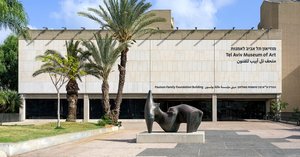
Tel Aviv Museum of Art, Tel AvivTel Aviv Museum of Art Tel Aviv 2 The Lovers, The Wailing Wall
Μετροπολιτικό Μουσείο Τέχνης, Νέα ΥόρκηΜετροπολιτικό Μουσείο Τέχνης Νέα Υόρκη 2 Χιόνι, Χειμώνας στη Βιτεμπσκ
Kunstmuseum, ΒασιλείαKunstmuseum Βασιλεία 1 Ο Υποπτώτος Άγγελος
Solomon R. Guggenheim Museum, Νέα ΥόρκηSolomon R. Guggenheim Museum Νέα Υόρκη 1 Ο Πολεμιστής Πίνει
Galleria Civica di Arte Moderna e Contemporanea Torino, ΤορίνοGalleria Civica di Arte Moderna e Contemporanea Torino Τορίνο 1 Dans mon pays
Μουσείο Τέχνης Βουδαπέστης, ΒουδαπέστηΜουσείο Τέχνης Βουδαπέστης Βουδαπέστη 1 Σχεδιαστική Μελέτη για το ‘Στη Ρωσία, στους Πόνους και άλλους’

Μαρκ Σαγκάλ decade by decade: one standout piece each

Έργα ανά δεκαετία

Pick a decade to see its standout piece.

Your questions about Μαρκ Σαγκάλ's paintings

Which Μαρκ Σαγκάλ painting is the most famous?See the answer

Top of the list is Εγώ και το Χωριό (1911), MoMA - Museum of Modern Art, Νέα Υόρκη. Right behind it: Λευκή Σταύρωση (1938) and Η Γενέθλια (1915).

How old was Μαρκ Σαγκάλ when Εγώ και το Χωριό was made?See the answer

24 years old. Μαρκ Σαγκάλ was born in 1887, and Εγώ και το Χωριό dates from 1911.

What are the 10 best-known Μαρκ Σαγκάλ paintings?See the answer

Εγώ και το Χωριό, Λευκή Σταύρωση, Η Γενέθλια, Πάνω στην πόλη, Η Πράσινη Βιολινοπαίκτρα, Ο Υποπτώτος Άγγελος, Ο Πολεμιστής Πίνει, Αβραάμ και οι τρεις Ευαγγελιστές, Adam and Eve expelled from Paradise και Ελευθερία. You'll find the year and the museum of each in the list above.

How many paintings did Μαρκ Σαγκάλ create?See the answer

We have 936 works by Μαρκ Σαγκάλ in our catalogue, dated 1910 to 1984.

Where can you see Μαρκ Σαγκάλ's famous paintings?See the answer

You'll find most of them in MoMA - Museum of Modern Art (Νέα Υόρκη), Art Institute of Chicago (Σικάγκο) και Tel Aviv Museum of Art (Tel Aviv). The museum list above has the full breakdown.

When did Μαρκ Σαγκάλ paint the best-known pieces?See the answer

In 1910s, more than any other time: 30 of the 100 pieces on this page date from then, Εγώ και το Χωριό among them.

Which famous Μαρκ Σαγκάλ paintings came first and last?See the answer

The earliest piece here is Still Life with Lamp (1910); the most recent is Μεγάλο ΚουΚέρις (1984).

What subjects show up most in Μαρκ Σαγκάλ's paintings?See the answer

Folklore (20), Dreams (17) και Jewish folklore (15), out of the 100 pieces on this page.

What materials did Μαρκ Σαγκάλ paint with most?See the answer

Άνθρακα και λάδι σε καμβά, used in 34 of the 100 pieces on this page.

Which Μαρκ Σαγκάλ pieces can you see at the MoMA - Museum of Modern Art?See the answer

You can see 2 of the pieces on this page at the MoMA - Museum of Modern Art, Νέα Υόρκη, including Εγώ και το Χωριό και Εύριστρο στον Γκόγκολ. Σχεδιασμός κουρτίνας για το φεστιβάλ του Γκόγκολ..

Getting to know Μαρκ Σαγκάλ

Early Life, Family and Training

Marc Chagall enters the world on July 7, 1887, in Vitebsk, Russian Empire, born Moishe Segal. He is the first of nine children in a modest Jewish family. Life is defined by the rhythms of labor and small-scale commerce. His father, Khatskel Segal, works as a herring pickler at a warehouse, while his mother, Feïga-Ita Tchernina, manages a small grocery store. These early years are rooted in the specific textures of a provincial town, where the boundaries of his world are shaped by the needs of a large household and the traditions of his community.

Education begins within the walls of the heder, a traditional Jewish elementary school. Here, the focus remains on religious instruction and the foundational texts of his upbringing. By age thirteen, the scope of his learning shifts toward the secular. He enters Vitebsk’s official middle school to pursue a Russian education, a move that marks a departure from the strictly religious sphere of his childhood. This dual existence—between the sacred traditions of the heder and the secular requirements of the state school—creates a tension that defines his early development.

Artistic impulse finds its first formal outlet in Vitebsk. Chagall receives his initial training at a local art school operated by Iouri Pen. It is here that the raw instinct for visual expression begins to coalesce into a disciplined practice. He moves from the structured lessons of the classroom toward a more profound engagement with the act of seeing, setting the stage for a life spent translating memory into form.

The Formative Years in St. Petersburg

The transition from the provincial quiet of Vitebsk to the imperial scale of Saint-Petersburg is marked by struggle. Between 1907 and 1909, the capital offers little in the way of comfort. Poverty is a constant companion; there are moments of hunger so severe that physical collapse becomes a reality. To survive, he takes to the streets, earning a meager living by drawing shop signs. These commercial tasks provide the necessary rubles to sustain a presence in the city while he navigates the complexities of being a Jewish student in a vast, shifting empire.

The academic pursuit is relentless. He enrolls in several academies, seeking a formal structure for his burgeoning visual language. The atmosphere of the capital is heavy with the influence of the avant-garde, a tension that pulls him away from classical training. He finds himself in the studio of Léon Bakst, a designer for the Ballets Russes, where the theatricality of set design begins to seep into his perception of space and form. This period is a collision of necessity and ambition, a time of sketching for survival while simultaneously absorbing the radical shifts occurring in the Russian art scene.

The Paris Years and Avant-Garde Influence

Paris arrives in 1910 or 1911, a sudden shift from the provincial constraints of the Russian Empire. The city offers a sensory shock. He finds light, color, and liberty in the streets of Montparnasse. This is no longer the world of the herring merchant or the traditional heder school; it is a landscape of radical possibility. He settles in La Ruche, the famous artist's residence, where the air is thick with the presence of the new avant-garde. He shares this space with Amedeo Modigliani and Fernand Léger, figures who are redefining the boundaries of modern expression. The influence of the era is inescapable, yet he remains an outlier, absorbing the discoveries of Fauvism and Cubism without surrendering his own internal logic.

The work produced during this period begins to reflect a departure from literal representation. He moves toward a style that prioritizes emotional and poetic associations over the strict rules of pictorial logic. The colors brighten, fueled by the exposure to the Parisian scene. He navigates the tension between the formal training of his past and the experimental freedom of the present. This period of intense creative friction continues until the political upheavals of the war pull him back toward the East. It is not until 1923 that he returns to Paris with his family, re-establishing his presence in the city that first unlocked his visual language.

The Russian Years and Revolution

The revolution pulls Chagall back to Vitebsk. He does not merely observe the upheaval; he attempts to shape its cultural landscape. He takes on the mantle of Vitebsk Commissioner of Fine Arts and assumes the directorship of a local Fine Arts School. His vision is one of community and education, yet the political climate shifts beneath his feet. The rise of Suprematism creates a fracture. Figures like Malevitch and Lissitzky push for a radical, non-objective abstraction that clashes with Chagall’s more lyrical, figurative approach. The tension is unsustainable. He is forced out of his positions, his dream of a localized artistic renaissance colliding with the rigid demands of the new regime.

By 1920, the focus shifts to Moscow. He works on the decoration of the Jewish theatre, a project that captures the intersection of his personal identity and the public stage. His lines are confident, his colors strong and pale, even as the world around him fractures. He navigates a period of intense creative output and profound material struggle, moving between the memory of the shtetl and the demands of a changing state. The era is defined by this friction: the attempt to build a cultural home while the very foundations of his world are being rewritten.

Life in the United States

The outbreak of World War II forces a sudden shift in geography. In 1941, Chagall and his family seek refuge in the United States, fleeing the instability of occupied France. He settles in and around New York City, a period of residence that lasts until 1948. The city provides a backdrop of profound emotional upheaval. Amidst the anxieties of the war years, his brush captures the tension of a world in flux. The work reflects the uncertainty of the era, translating personal and global unrest into a visual language of suffering and hope.

During these seven years, the artist finds a way to engage with large-scale institutional projects. He undertakes major commissions for the United Nations headquarters, translating his poetic vision into the architectural fabric of a global institution. This period in America marks a significant chapter of experimentation and survival, bridging his European roots with a new, intense reality. He remains a man between worlds, his heart still pulling him toward France even as he navigates the complexities of his American exile.

Technique and Artistic Style

Logic yields to emotion. Chagall rejects the rigid rules of pictorial logic, choosing instead to compose images through poetic association. His canvases operate on the mechanics of a dream. Figures float through the air, defying gravity, while colors pulse with a non-naturalistic intensity. This approach allows him to capture the essence of feeling rather than the literal appearance of the world. He moves beyond mere imitation, using a bold palette to translate memory into a visual language.

His aesthetic is a collision of influences. He absorbs the fragmented structures of Cubism and the intense color of Fauvism, yet he filters these avant-garde movements through a deeply personal lens. The result is a style that bridges Expressionism and abstraction. He weaves together the sacred and the mundane, populating his scenes with symbolic and surreal imagery. Jewish folktales and the quiet, lived-in details of shtetl life become the building blocks of a private mythology. The familiar becomes fantastic.

The imagery often centers on recurring motifs: flying lovers, fiddlers, and massive bouquets. These elements are not mere decorations but symbols of a spiritual and emotional landscape. In works like The Lovers (1929), the sense of weightlessness and the use of intense color create a space where the physical laws of the world no longer apply. His work remains a constant negotiation between the tangible reality of his upbringing and the boundless possibilities of the imagination.

Patrons, Workshop and Commissions

The mid-1920s find Chagall in Paris, navigating the influential circles of the art market. He enters the orbit of Ambroise Vollard, a dealer whose influence shapes the trajectory of many avant-garde artists. Vollard commissions a series of engravings from Chagall, tasking him with illustrating the works of Nikolay Gogol, specifically Dead Souls. This period marks a shift toward the precision of printmaking, moving away from the fluid spontaneity of his earlier canvases.

In 1931, the focus shifts toward the Middle East. The Mayor of Tel Aviv extends an invitation to Chagall to travel to Palestine. The objective is ambitious: the founding of a Jewish Art Museum. This period deepens his engagement with religious and cultural symbolism, a theme that would persist through his later, large-scale architectural works. His ability to translate personal and communal memory into physical space becomes a defining aspect of his professional output.

As his reputation grows, the scale of his work expands from the intimate page to the monumental. He moves into the realm of light and architecture, designing stained-glass windows for the Cathedral of Metz and the United Nations building in New York. These works demand a mastery of how color interacts with sunlight. In 1964, he reaches a peak of public recognition with a commission for the ceiling of the Paris Opera, a massive undertaking that brings his dreamlike imagery into one of Europe's most significant cultural venues.

Where to See the Works Today

The legacy of his vision remains anchored in several key institutions across the globe. In Nice, France, the Musée National Marc Chagall houses an extensive collection of his works, preserving the core of his creative output. This museum offers a concentrated look at the imagery that defined his long career. Meanwhile, the State Russian Museum in Saint-Petersburg, Russia, maintains a significant presence of his art, holding pieces that connect back to his early years and his time in the Russian Empire.

The reach of his work extends across the Atlantic to the United States. The Museum of Modern Art in New York City holds works that reflect his complex relationship with the city during his years of exile. In the American Midwest, the Art Institute of Chicago features his art, ensuring his presence in major international collections. These locations provide the primary physical touchpoints for those seeking to encounter his specific use of color and form.

Όλα τα 936 έργα του Μαρκ Σαγκάλ →