


Η εικόνα ακολουθεί τις επιλογές σας: , .
Περιγραφή Συλλεκτικού Αντικειμένου
Experience 'Nacht' by Lyonel Feininger – an evocative Expressionist cityscape bathed in moonlight. Explore the artist’s unique blend of Cubism & architectural themes.
 Περισσότερα
Βιογραφικό Καλλιτέχνη
Ανακαλύψτε τον Λιονέλ Φαϊνιγκερ (1871-1956), έναν γερμανό-αμερικανικό ζωγράφο και δάσκαλο του Βαυαριανού Σχολείου. Εξερευνήστε το μοναδικό του στυλ που συνδυάζει κυβισμό, αισθητική από περσινή γυαλιά και θεματικές αρχιτεκτονικής.
Παραγγείλτετε το σας σε τέσσερα απλά βήματα
Πάρτε τον χρόνο σας. Μπορείτε να αλλάξετε οποιαδήποτε απάντηση· η τιμή στο καλάθι παραγγελίας σας ενημερώνεται ανάλογα με κάθε επιλογή.
1 Το πρώτο από τα τέσσερα βήματα
Ποιο μέγεθος θα επιλέξετε;
Αυτές οι διαστάσεις διατηρούν τις αναλογίες του πρωτότυπου έργου. Η απεικόνιση δείχνει την επιλογή σας σε έναν τοίχο, πάνω από έναν καναπέ δύο μέτρων.
Ή εισάγετε δικές διαστάσεις
Επιλέξτε από τις προκαθορισμένες διαστάσεις μας που διατηρούν τις αρχικές αναλογίες του έργου τέχνης.

Πληκτρολογήστε το πλάτος και το ύψος που επιθυμείτε, ώστε να ταιριάζουν στο κάδሮ ή στον τοίχο σας. Ε เนื่องจาก πρόκειται για χειροποίητη ζωγραφική, σε περίπτωση διαστάσεων με διαφορετικό σχήμα, ο καλλιτέχνης μπορεί να ζωγραφίσει λίγο παραπάνω γύρω από το έργο ή να αφαιρέσει ένα μέρος — η επιλογή είναι δική σας. Σας στέλνουμε ένα ψηφιακό mockup για έγκριση πριν ξεκινήσει η δημιουργία του έργου. Η εικόνα που εμφανίζεται σε αυτή τη σελίδα δεν δείχνει το τελικό αποτέλεσμα — μόνο το mockup το αναδεικνύει.
2 Δεύτερο από τέσσερα βήματα
Πώς θα θέλατε να προετοιμαστεί: σε ρολό, σε ξύλινο καρέ ή με κάσα;
Οι τιμές παρακάτω αφορούν το μέγεθος που επιλέξατε στο πρώτο βήμα.
Επιλέξτε τις πλευρές του τεντωμένου καμβά
Επιλέξτε το πλαίσιο σας

Λευκό €1

Αντιστροφή με θολό φινίρισμα €1

Εκτεταμένη περιφέρεια €1

P118B €10

P118H €10

P118W €10

P438Z €10

P508JH €12

P508YH €12

P805H €10

P805Z €10

P919BZ €10

P919G €10

P919XJ €10

P959ZH €10

P968JZ €12

W106C €8

W218G €10

W218JH €8

W218Y €10

W307PJ €10

W316G €10

W316PJ €8

W316Y €10

W398PJ €8

W4111J €10

W500HY €15

W500JH €15

W692G €12

W849H €8

W940BG €15

W953PJ €8

H24-GOLD €30

H24-SILVER €30

H36-GOLD €45

H36-SILVER €45
Με πλαίσιο
Πλαισίωμα: . Συνολικές διαστάσεις με το πλαίσιο: .
3 Το τρίτο από τα τέσσερα βήματα
Θα θέλατε να αλλάξετε κάτι στο έργο;
Οι περισσότεροι απαντούν αρνητικά. Επειδή κάθε πίνακας δημιουργείται με το χέρι, ο καλλιτέχνάς μας μπορεί επίσης να τον προσαρμόσει σύμφωνα με τις επιθυμίες σας.
Μετά την παραγγελία, η ομάδα του ArtsDot.com θα στείλει email στον πελάτη για οδηγίες και θα παρέχει μια προεπισκόπηση (mockup)
4 Το τέταρτο από τα τέσσερα βήματα
Μερικές επιλογές τελικής επεξεργασίας
Όλα είναι προαιρετικά. Οι απαντήσεις που έχουν ήδη επιλεγεί δεν έχουν επιπλέον κόστος.
Ποιος το δημιούργησε;
Παγκόσμια Αποστολή () σε 3-4 εβδομάδες αντί για τις συνήθεις 5 εβδομάδες. (19 Νοέμβριος). Χωρίς συμβιβασμούς στην ποιότητα.
Μια πινακίδα με πληροφορίες, όπως σε ένα μουσείο;
Λεπτομέρειες Χάραξης σε Πλακέτα Χαλκού
This elegant plaque features the artist's name and the title of the artwork, finely engraved for a timeless presentation.
It is made from bronze with a refined, elegant finish. The text is precisely laser-engraved for a sharp and permanent result. Measuring 9x2 cm, the plaque is compact yet easy to read. It's built to be durable and scratch-resistant, offering a professional, museum-quality look. Mounting is simple thanks to the included adhesive backing.
Λεπτομέρειες Διαφανούς Ακρυλικής Πλακίδας
The plaque includes essential engraved details such as the artist's name, the title of the artwork, the date it was created, the type of media used-like oil on canvas or watercolor-a brief description of the piece, and a QR code that links to the complete artwork information.
It is crafted from clear acrylic, offering a sleek, modern appearance. The text is UV-engraved in black to ensure strong visual contrast. With a size of 10x15 cm, it ensures optimal readability. It comes equipped with two metal hooks for secure wall mounting. The plaque is designed to be weather-resistant, making it suitable for various environments, and it includes interactive features that work seamlessly with smartphone scanning.
Λεπτομέρειες Πλακίδας Ακρυλικού Μαύρου Χρώματος
This elegant plaque includes engraved information such as the artist's name, the title of the artwork, the date it was created, the type of media used (like oil on canvas or watercolor), a short description of the artwork, and a QR code for quick access to more information.
The plaque itself is made from refined black acrylic with a premium finish. The text is laser-engraved in white for high contrast and readability. Its size is 10x15 cm, designed to be easy to read. It comes with two metal hooks for professional mounting. The design is sleek and fits any interior style. It is also weather-resistant and durable, with built-in digital integration for mobile compatibility.
Προστατευτικό βερνίκι;
Πότε θα το χρειαστείτε;
✓ Έλεγχος και παραγγελία
Το έργο σας, ακριβώς όπως το παραγγείλατε

Nacht
Μέσο Αναπαραγωγής
Διαστάσεις Αναπαραγωγής
-

Κορυφαίος Καλλιτέχνης
Περισσότερη λεπτομέρεια, φινέτσα και επιπλέον χρόνος παραγωγής
-

Πλαίσιο Αναπαραγωγής
-
-
Για έργα τέχνης ή αναπαραγωγές με πλευρά υπερβαίνουσα των 105 εκ. (περίπου 41 ίντσες), το πλαίσιο θα αποσταλεί αποσυναρμολογημένο, σε μορφή κιτ. Η μέθοδος αυτή διασφαλίζει την ασφαλή παράδοση και προλαμβάνει τυχόν ζημιές κατά τη μεταφορά.
Απαιτείται επαγγελματικός συναρμολογητής - δεν πρόκειται για προϊόν αυτοσυναρμολογίας (DIY).
Το κιτ πρέπει να συναρμολογηθεί και ο καμβάς να τεντωθεί από έμπειρο επαγγελματία πλαίσιο (framer), με τη χρήση κόλλας ξύλου (δεν περιλαμβάνεται), πένσας για ένταση καμβά και σφιγκτήρων, ώστε να διατηρηθεί η ορθογωνιότητα των δοκών κατά τη διάρκεια της ξędρανσης. Η λανθασμένη συναρμολόγηση ή η ανισόρροπη ένταση του καμβά μπορεί να προκαλέσει μόνιμη ζημιά στο έργο και δεν καλύπτεται από την εγγύησή μας.
 Για έργα τέχνης ή αναπαραγωγές με πλευρά υπερβαίνουσα των 105 εκ. (περίπου 41 ίντσες), το πλαίσιο θα αποσταλεί αποσυναρμολογημένο, σε μορφή κιτ. Η μέθοδος αυτή διασφαλίζει την ασφαλή παράδοση και προλαμβάνει τυχόν ζημιές κατά τη μεταφορά.
Περιλαμβάνονται όλες οι μπάρες από μασίφ ξύλο, κομμένες με ακρίβεια στις διαστάσεις τους.
Συναρμολογείται με τις παρεχόμενες βίδες, καθώς και με κόλλα ξύλου για τις γωνιακές ενώσεις, η οποία δεν περιλαμβάνεται και θα πρέπει να προμηθευτεί από τον τεχνίτη σας.
Απαιτούνται επαγγελματικά εργαλεία που δεν περιλαμβάνονται: μια πένσα για σφίξιμο καμβά (τενωτήρας) και σφιγκτήρες για τη διατήρηση της ορθογωνιότητας των καρέ κατά τη διάρκεια της απορρόφησης της κόλλας.
Σημαντικό:
Οι γωνιακές ενώσεις απαιτούν κόλλα ξύλου, οι σπορ πρέπει να συγκρατούνται με σφιγκτήρες μέχρι να στεγνώσει πλήρως η κόλλα, και για την ένταση του καμβά στο συναρμολογημένο πλαίσιο απαιτείται μια πένσα για ένταση καμβά. Κανένα από αυτά δεν περιλαμβάνεται στο σετ. Παρακαλούμε συμβουλευτείτε έναν έμπειρο επαγγελματία κάδραρχο πριν παραγγείλετε αυτό το μέγεθος.

Πληροφορίες έργου
-
-

Βερνίκι Προστασίας
Γυαλιστερό Βερνίκι (ενισχύει τα χρώματα, προστατεύει από το φως και την υγρασία)
-

Προσαρμογή του έργου μου
Παραδείγματα αλλαγών που είναι δυνατές: Αντικατάσταση προσώπου με φωτογραφία του πελάτη· Προσθήκη κατοικίδιου (π.χ., αντικατάσταση γάτας με σκύλο)· Ενσωμάτωση κρυφού μηνύματος στο φόντο· Αλλαγή τοπίου ή στοιχείων στο φόντο.
-

Επείγουσα παραγγελία
Παγκόσμια Αποστολή () σε 3-4 εβδομάδες αντί για τις συνήθεις 5 εβδομάδες. (19 Νοέμβριος). Χωρίς συμβιβασμούς στην ποιότητα.
-
Αποστολή Express
Παγκόσμια Αποστολή () σε 5 εβδομάδες. (26 Νοέμβριος).
Συμπεριλαμβάνεται
Τελική Τιμή
€ 234
Η επιλογή με γυαλί είναι διαθέσιμη μόνο για μεγέθη κάτω από 110 εκ.
Συμπεριλαμβάνεται σε κάθε παραγγελία
- Δωρεάν γρήγορη διεθνής αποστολή
- Κάμβας από Λινό Υψηλής Ποιότητας
- Πλήρης ασφάλιση μεταφοράς
- Εγγύηση επιστροφής δασμών και φόρων εισαγωγής
- Εγγύηση Απόλυτης Ομοιότητας Χρωμάτων
- Πολιτική Επιστροφής 100 Ημερών (Μόνο σε περίπτωση ελαττωμάτων)
- Εγγύηση επιστροφής 100% των χρημάτων
- Προσφορά για πολλαπλές παραγγελίες


Nacht by Lyonel Feininger: A Dreamlike Expressionist Vision
“Nacht,” meaning “Night” in German, is a captivating artwork by Lyonel Feininger that exemplifies the core tenets of Expressionism while demonstrating influences from Cubism. Created sometime during an unknown date, this piece transports viewers to a stylized and abstracted cityscape bathed in the ethereal glow of moonlight or artificial light.
Subject and Style: An Abstracted Nightscape
The artwork depicts an abstracted cityscape at night, likely inspired by German towns or villages. Feininger doesn't aim for photographic realism; instead, he prioritizes conveying a feeling—a mood of quiet contemplation tinged with melancholy. The style is distinctly Expressionist, characterized by its subjective interpretation of reality and emphasis on emotional expression over objective representation. Geometric simplification of forms, reminiscent of Cubism, further enhances the artwork’s unique visual language. Buildings are rendered as geometric blocks with pointed roofs, arranged in a seemingly chaotic yet balanced composition. A large circular form, likely representing the moon, dominates the right side of the canvas, while scattered stars punctuate the upper portion.
Technique and Materials: Watercolor's Fluidity
Feininger masterfully employs watercolor as his primary technique. The loose brushstrokes and washes of color create a fluid and atmospheric effect. Lines are used sparingly but effectively to define edges and structure, often appearing as thin, sketchy outlines that suggest movement or impermanence. The palette is predominantly cool and muted—shades of blue-green, purple, grey, and touches of orange—contributing to the somber yet peaceful mood. This technique lends a dreamlike quality to the scene, blurring the lines between reality and imagination.
Symbolism and Emotional Impact: Towers, Stars, and Contemplation
Beyond its visual appeal, “Nacht” is rich in symbolic elements. The tall, angular tower that dominates the composition could symbolize power, aspiration, or even spirituality—reaching towards the heavens amidst the nocturnal setting. The scattered stars evoke a sense of wonder and mystery, hinting at the vastness of the universe beyond the confines of the cityscape. Overall, the artwork evokes a feeling of quiet contemplation, inviting viewers to reflect on the stillness and solitude of night. It’s a powerful exploration of emotion through abstraction, characteristic of Feininger's artistic vision.
Ερωτήσεις και Απαντήσεις
Το έργο "Nacht" του Λάιονελ Φάινινγκερ ανήκει στο δημόσιο περιουσιακό αγαθό;
Όσον αφορά τα πνευματικά δικαιώματα, το "Nacht" ανήκει στο δημόσιο κτήμα - τα δικαιώματα αυτορության έχουν λήξει.
Σε ποια περίοδο της καριέρας του/της Λάιονελ Φάινινγκερ ανήκει το "Nacht";
Το "Nacht" αντιπροσωπεύει την περίοδο Mature Period του Λάιονελ Φάινινγκερ.
Υπάρχει κάποιο ενημερωτικό φυλλάδιο για το "Nacht" του Λάιονελ Φάινινγκερ που να απευθύνεται σε φοιτητές;
Η σελίδα Οδηγός για το έργο "Nacht" του Λάιονελ Φάινινγκερ προσφέρει ένα εκτυπώσιμο ενημερωτικό φυλλάδιο δύο σελίδων: το έργο τέχνης με τον πίνακα ταυτότητάς του, μια χρονική ζώνη που το τοποθετεί μέσα στη διάρκεια της ζωής του καλλιτέχνη, άλλα έργα του ίδιου δημιουργού, την αναλυτική παλέτα χρωμάτων και έτοιμες για αντιγραφή αναφορές σε τέσσερα στυλ.
Περισσότερα για αυτό το έργο
 Προεπισκόπηση σε πραγματική κλίμακα
 Μετάβαση σε Εκτυπώσεις
 Αποστολή
 Κοινοποίηση
 Λεπτομέρειες
 Οδηγός

 Λήψη
Λήψη
 Παρόμοια αντικείμενα συλλογής
 Ακτινογραφία
 Παρουσίαση
 Ερωτήσεις & Απαντήσεις
 Στατιστικά
Σχετικά Έργα Τέχνης


Λάιονελ Φάινινγκερ
1871 - 1956, Ηνωμένες Πολιτείες Αμερικής
Βιογραφικό Καλλιτέχνη
Πρώιμα Χρόνια και Καριέρα: Από Καρικατουριστή σε Καλλιτέχνη Καλών Τεχνών
- Γέννηση και Οικογένεια: Ο Λιονέλ Τσάρλεσ Άντριον Φαινίνγκερ γεννήθηκε στις 17 Ιουλίου 1871, στη Νέα Υόρκη. Ο πατέρας του, Καρλ Φαινίνγκερ, ήταν ένας γερμανόαμερικανός βιολινίστας και συνθέτης, ενώ η μητέρα του, Ελίζαβεθ Φαινίνγκερ, ήταν Αμερικανίδα τραγουδίστρια. Αυτό το καλλιτεχνικό υπόβαθρο επηρέασε βαθύτατα την πρώιμη ανάπτυξή του.
- Πρώιμη Εκπαίδευση και Ευρωπαϊκές Περιπλανήσεις: Το 1887, στην ηλικία των 16 ετών, ο Φαινίνγκερ ταξίδεψε στην Ευρώπη για να σπουδάσει μουσική, αλλά σύντομα στράφηκε προς την τέχνη. Μελέτησε το σχέδιο στο Αμβούργο και στο Βερολίνο.
- Καριέρα στη Εμπορική Τέχνη: Από το 1894 και μετά, ο Φαινίνγκερ οικοδόμησε μια επιτυχημένη καριέρα ως καρικατουριστής για διάφορα γερμανικά, γαλλικά και αμερικανικά περιοδικά. Τα κόμικς του, όπως τα «The Kin-der-Kids» και «Wee Willie Winkie's World», κέρδισαν τεράστια δημοτικότητα και ανέδειξαν το μοναδικό του γραφικό στυλ.
- Μετάβαση στις Καλές Τεχνές: Μετά από μια περίοδο 20 ετών στην εμπορική τέχνη, ο Φαινίνγκερ στράφηκε στις καλές τέχνες κατά την ηλικία των 36 ετών. Αυτό αποτέλεσε ένα σημαντικό σημείο καμπής στο καλλιτεο του ταξιδιού του.
Εκφραστισμός και Η Επίδραση της Bauhaus
- ΕνταχθήΚε σε Εκφραστιστικές Ομάδες: Ο Φαινίνγκερ έγινε ένας κορυφαίος εκπρόσωπος του Εκφραστισμού, εντασσόμενος σε επιδραστικές ομάδες όπως η Die Brücke, η Novembergruppe και η Gruppe 1919. Το έργο του κατά αυτή την περίοδο αντικατόπτριζε την έμφαση της κίνησης στην συναισθηματική έκφραση και την υποκειμενική εμπειρία.
- Πρώτη Ατομική Έκθεση: Η πρώτη του ατομική έκθεση στη γκαλερί Sturm στο Βερολίνο (1917) ήταν μια καθοριστική στιγμή, που τον καθιέρωσε ως μια σημαντική προσωπικότητα στον κόσμο της τέχνης.
- Μάستερ της Bauhaus: Το 1919, ο Walter Gropius ανέθεσε στον Φαινίνγκερ τον ρόλο του πρώτου μέλους του διδακτικού σώματος στην Bauhaus, μια πρωτοποριακή σχολή τέχνης και σχεδιασμού. Εξυπηρέτησε ως ο καλλιτέχνης-μάστορας υπεύθυνος του εργαστηρίου κτελογραφίας, επηρεάζοντας σημαντικά πολυάριθμους μαθητές.
- Καλλιτεχνικό Στυλ: Το έργο του χαρακτηριζόταν από πρισματικά διακεκομμένα σχήματα, ημιδιαφανή χρώματα και αναφορές στην αρχιτεκτονική και τη θάλασσα, ευθυγραμμίζοντάς τον με τον κλασικό μοντερνισμό.
Σημαντικά Έργα και Καλλιτεχνική Εξέλιξη
- Πρώιμα Θαλάσσια Έργα: Κατά τη διάρκεια των καλοκαιρινών διακοπών στο νησί Usedom (1909-1918), ο Φαινίνγκερ δημιούργησε πολυάριθμα θαλάσσια έργα που απεικόνιζαν την Βαλτική Θάλασσα, αναδεικνύοντας την εξελισσόμενη αισθητική του.
- Διάσημα Έργα: Ανάμεσα στα σημαντικότερα έργα του περιλαμβάνονται το «Werder I» (υδατογραφία), το «Gaberndorf II» (χαρτί) και τα «Boats» (κυβισμός, λάδι σε καμβά). Αυτά τα κομμάτια αποτελούν παραδείγματα της μοναδικής του σύνθεσης εκφραστιστικών τεχνικών και αρχιτεκτονικών θεμάτων.
- Φωτογραφικά Έργα: Ανάμεσα στο 1928 και τα μέσα της δεκαετίας του 1950, ο Φαινίνγκερ δημιούργησε ένα σημαντικό σώμα φωτογραφικών έργων, αποδεικνύοντας την πολυμορφία του ως καλλιτέχνης.
- Μουσικές Συνθέσεις: Συνέθεσε επίσης αρκετά έργα για πιάνο και φυγές για organ, αποκαλύπτοντας μια άλλη πλευρά του καλλιτεχνικού του ταλέντου.
Τα Μετέπειτα Χρόνια και η Κληρονομιά
- Εμ immigrated στην Ηνωμένη Αμερική: Λόγω της άnsτης του Ναζιστικού Κόμματος το 1933, ο Φαινίντημεgrer μετανάστευσε στις Ηνωμένες Πολιτείες μαζί με τη σύζυγό του.
- Συνεχείς Καλλιτεχνική Δραστηριότητα: Συνέχισε να ζωγραφίζει και να δημιουργεί τέχνη σε όλη του τη ζωή, διατηρώντας ένα ιδιαίτερο και αναγνωρίσιμο στυλ.
- Θάνατος και Αναγνώριση: Ο Λιονέλ Φαινίνγκερ απεβίωσε στις 13 Ιανουαρίου 1956. Το έργο του άφησε μια αδιάλειπτη(indelible) σφραγίδα στον κόσμο της τέχνης, εμπνέοντας καλλιτέχνες και λάτρεις της τέχνης με τη μοναδική του ανάμειξη Εκφραστισμού, γραφικής πειραματικότητας και αρχιτεκτονικών θεμάτων.
- Ιστορική Σημασία: Ως κεντρική μορφή τόσο στον Εκφραστισμό όσο και στην κίνηση Bauhaus, οι συνεισφορές του Φαινίνγκερ διαμόρφωσαν σημαντικά την πορεία της μοντέρνας τέχνης. Η καινοτόμος χρήση του χρώματος, του σχήματος και της προοπτικής συνεχίζει να συγκινεί το κοινό μέχρι σήμερα.
Σχετικά άρθρα

Clyfford Still's Abstract Expressionism: A Study of Color, Form & the Existential Landscape
Explore the profound world of Clyfford Still's Abstract Expressionism with ArtsDot. Discover his unique style, existential themes & investment potential. Expert analysis for discerning collectors.

Masterpieces of Light: The Top 25 Artworks by James McNeill Whistler
Explore the iconic masterpieces of James McNeill Whistler. Discover the essence of Tonalism and fine art on ArtsDot.com.
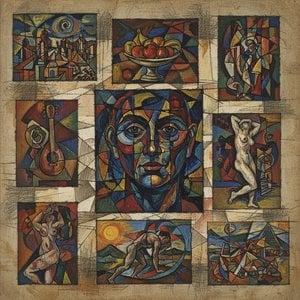
Οι 10 Κορυφαίοι Δρόμοι του Κυβισμού: Έμπνευση για Διακόσμηση & Τέχνη
Ανακαλύψτε τα 10 αριστουργήματα που καθόρισαν τον Κυβισμό & την Έκφραση! Picasso, Braque και άλλοι ζωγράφοι. Ιστορία, τεχνικές & έμπνευση για διακόσμηση. Βρείτε πίνακες υψηλής ποιότητας στο ArtsDot.com