Der rätselhafte Architekt der Renaissance von Urbino
In den schattigen Korridoren des Quattrocento besitzen nur wenige Gestalten den eindringlichen Reiz von Fra Carnevale. Ein Name, der mit Ehrfurcht und Mysterium zugleich geflüstert wird: Bartolomeo di Giovanni Corradino – der Geschichte unter seinem monastischen Titel bekannt – bleibt einer der schwer fassbarsten Meister der italienischen Renaissance. Geboren um 1420 in Urbino, war sein Leben ein feiner Wandteppich, gewebt aus den Fäden spiritueller Hingabe und tiefgreifender künstlerischer Innovation. Als Mitglied des Dominikanerordens nahm Carnevale einen einzigartigen Raum ein, in dem die kontemplative Stille des Klosters auf die aufkeimende intellektuelle Strenge des Humanismus traf. Obwohl heute nur neun Werke zweifelsfrei seiner Hand zugeschrieben werden können, dient jedes erhaltene Stück als Fenster in einen Geist, der danach strebte, das Göttliche mit der mathematischen Präzision der physischen Welt zu harmonisieren.
Die Entwicklung von Carnevales Kunstfertigkeit wurde durch die großen künstlerischen Schmelztiegel seiner Ära geprägt. Seine prägenden Jahre in Urbino unter der Anleitung von Jacopo Veneto pflanzten eine frühe Faszination für die Perspektive in ihm ein – eine Fähigkeit, die zum Markenzeichen seines reifen Stils werden sollte. Doch erst seine Reise nach Florenz um 1445 entfachte seinen schöpferischen Geist wahrhaftig. Eingetaucht in die lebendige florentinische Atmosphäre, studierte er unter dem einflussreichen Antonio Alberti und trat in die prestigeträchtige Werkstatt von Filippo Lippi ein. Diese Lehrzeit war transformativ; von Lippi erbte Carnevale eine meisterhafte Beherrschung der Farbe und einen feinfühligen Ansatz zur Komposition, wodurch er lernte, Figuren durch subtile tonale Nuancen und emotionale Tiefe Leben einzuhauchen.
Meisterschaft des Raumes und heiliger Erzählung
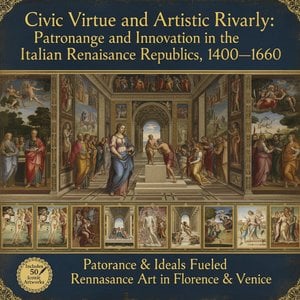
Was das Werk von Fra Carnevale von dem seiner Zeitgenossen unterscheidet, ist seine unvergleichliche Fähigkeit, komplexe architektonische Settings mit sakralen Erzählungen zu verweben. Er malte nicht bloß Hintergründe; er erschuf Welten. Seine Leinwände zeigen oft imposante, klassisch inspirierte Strukturen, die die humanistischen Ideale der Epoche widerspiegelung und an die Pracht des Ducal Palace in Urbino sowie an die theoretischen Abhandlungen von Leon Battista Alberti erinnern. In Werken wie Die Geburt Mariens beobachtet man eine atemberaubende Verbindung von mittelalterlicher Detailtreue und der räumlichen Logik der Renaissance. Die architektonische Tiefe, die in diesen Paneelen erreicht wurde, zeugt von einem tiefen Verständnis der Geometrie und schafft eine Bühne, auf der das Wunderbare in einer greifbaren, messbaren Realität verwurzelt scheint.
Sein technisches Repertoire war so vielfältig wie seine Einflüsse und reichte von der leuchtenden Klarheit der Tempera bis hin zu den reichen Texturen der Ölmalerei. In Stücken wie St. Peter nutzte er Licht und Schatten, um ein Gefühl von Feierlichkeit und göttlicher Präsenz zu evozieren, während seine Allegorische Szene einen kühnen Einsatz nackter Figuren in klassischen Settings zeigt, was die Faszination der Ära für die wiederentdeckten griechisch-römischen Ideale widerspiegelt. Diese Fähigkeit, zwischen den frommen Anforderungen seiner dominikanischen Berufung und den anspruchsvollen ästhetischen Forderungen von Auftraggebern wie Federico Montefeltro zu navigieren, erlaubte es ihm, Kunst zu schaffen, die zugleich andächtig und intellektuell stimulierend war.
Vermächtnis und historische Resonanz
Obwohl der Mangel an erhaltenen Werken sein Schaffen oft dazu veranlasst hat, dass Gelehrte über die Authentizität bestimmter Arbeiten debattieren, kann die historische Bedeutung von Fra Carnevale nicht hoch genug eingeschätzt werden. Er fungierte als lebenswichtige Brücke zwischen den frühen Experimenten des 15. Jahrhunderts und der Perfektion der Hochrenaissance, wie sie von Meistern wie Bramante und Raffael erreicht wurde. Seine Beschäftigung mit der architektonischen Perspektive und die Integration klassischer Motive lieferten einen grundlegenden Entwurf für die nächste Generation italienischer Künstler. Carnevale zu studieren bedeutet, genau jenen Moment zu erleben, in dem die spirituelle Intensität des Mittelalters begann, mit der strukturierten, menschenzentrierten Vision der Renaissance zu verschmelzen.
Heute lebt das Erbe dieses rätselhaften Mönchs durch die seltenen, kostbaren Fragmente seiner Vision fort, die geblieben sind. Er steht als Zeugnis für die Macht des „architektonischen Malers“ – eines Künstlers, der das Göttliche nicht nur in den Gesichtern der Heiligen sah, sondern in den Proportionen des Raumes selbst, den sie bewohnten. Sein Leben, obwohl von großer historischer Ungewissheit umhüllt, erzeugt weiterhin Ehrfurcht und erinnert uns daran, dass selbst die flüchtigsten Gestalten einen unauslöschlichen Eindruck in der Seele der Kunstgeschichte hinterlassen können.
Fragen & Antworten
Wo sind die nach Themen sortierten Kunstwerke von Fra Carnevale zu finden?
Die Werke von Fra Carnevale können nach Themen auf der Themenatlas-Seite des Künstlers erkundet werden.
Unter welchen anderen Namen ist Fra Carnevale bekannt?
Fra Carnevale ist auch unter dem Namen Bartolomeo Di Giovanni Corradini, Bartolomeo Coradini, Carnovale Da Urbino bekannt.
In welcher Stadt und in welchem Land wurde Fra Carnevale geboren?
Fra Carnevale wurde in Urbino, in Italien, geboren.