

 Versenden
 Teilen
 Details anzeigen

 Herunterladen
 Ähnliche Objekte
 Diashow
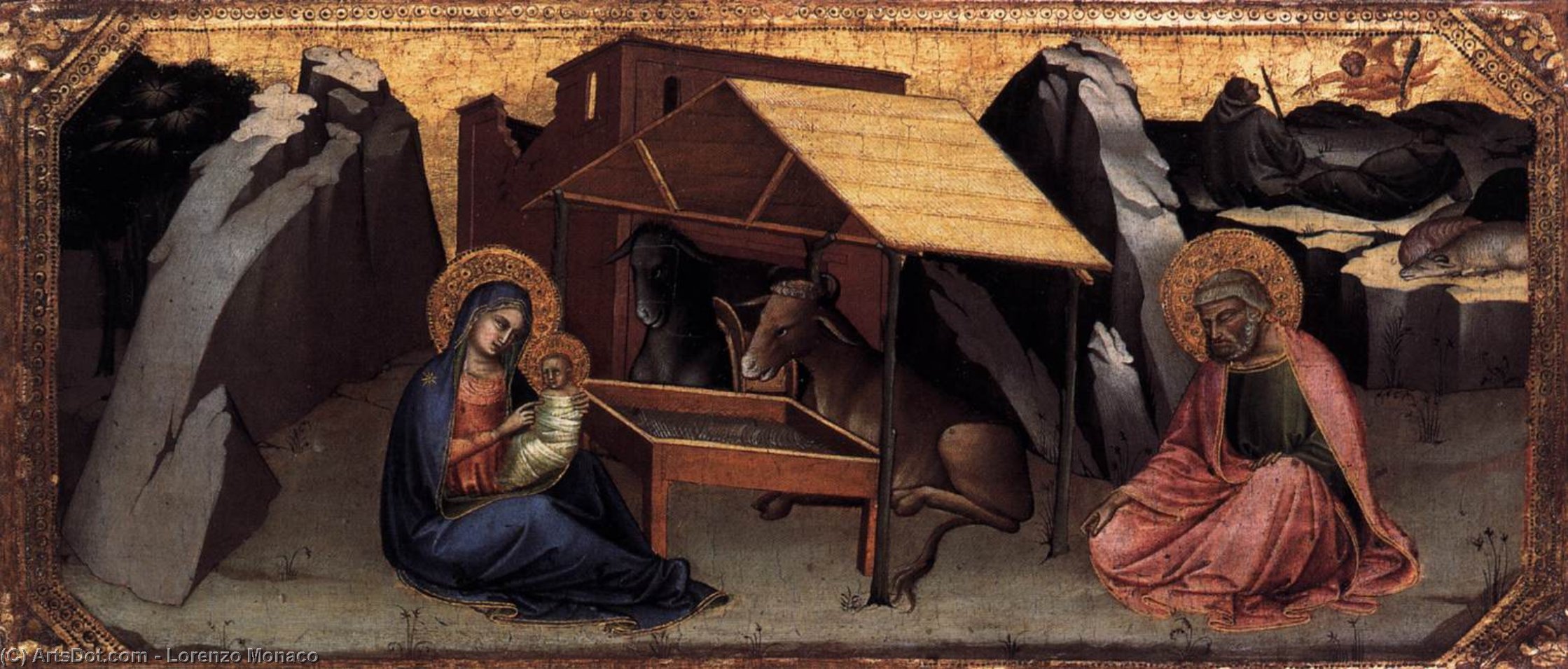
Geburt Christi
 Tempera
- Frührenaissance
 1390
1390 26.0 x 61.0 cm
 Staatliche Museen zu Berlin
 Weiterlesen
Handgefertigte Ölreproduktion
Handgemaltes Ölgemälde auf Leinwand in Ihrer Wunschgröße und mit Rahmen, auf Bestellung von unseren Künstlern angefertigt. ( Zum Druck wechseln Zum Bild wechseln)




P118B $10

P118H $10

P118W $10

P438Z $10

P508JH $12

P508YH $12

P805H $10

P805Z $10

P919BZ $10

P919G $10

P919XJ $10

P959ZH $10

P968JZ $12

W106C $8

W218G $10

W218JH $8

W218Y $10

W307PJ $10

W316G $10

W316PJ $8

W316Y $10

W398PJ $8

W4111J $10

W500HY $15

W500JH $15

W692G $12

W849H $8

W940BG $15

W953PJ $8




Wählen Sie aus unseren vordefinierten Formaten, die den ursprünglichen Proportionen des Kunstwerks entsprechen.

Sie können Ihre eigenen Maße eingeben, um einen bestimmten Rahmen oder Platz auszufüllen. Wenn die gewählte Größe nicht den Proportionen des Originalbildes entspricht, werden wir das Kunstwerk entweder beschneiden oder das Gemälde durch zusätzliche, handgemalte Elemente erweitern. Ein digitales Mockup wird Ihnen zur Genehmigung zugesandt, bevor die Produktion beginnt.
Bitte beachten Sie, dass die Bildschirmvorschau nicht die tatsächliche Beschneidung oder Erweiterung widerspiegelt. Nur das Mockup zeigt die endgültige Komposition exakt an.
Obwohl Sondermaße verfügbar sind, empfehlen wir, eine Größe aus der vordefinierten Liste zu wählen, um die ursprünglichen Proportionen beizubehalten.
Nach der Bestellung wird das ArtsDot.com-Team dem Kunden Anweisungen per E-Mail zusenden und eine Mockup-Vorschau bereitstellen.
Weltweiter Versand () in nur 3 bis 4 Wochen statt der üblichen 5 Wochen. (7 August). Keine Kompromisse bei der Qualität.

Kostenloser weltweiter Expressversand

Hochwertige Leinenleinwand

Umfassender Versicherungsschutz beim Versand

Zollgebühren-Rückerstattungsgarantie

Garantie für exakte Farbtreue

60 Tage Rückgaberecht (nur bei Mängeln)

100% Geld-zurück-Garantie

Mengenrabatt verfügbar
 Die Glasoption ist nur für Größen unter 110 cm verfügbar.

Geburt Christi
Art der Reproduktion
Format der Reproduktion
-


Gesamtpreis
$ 313
Beschreibung des Kunstwerks
Lorenzo Monaco’s Nativity: A Florentine Monk's Vision of Renaissance Faith
The Nativity by Lorenzo Monaco stands as a cornerstone of early Italian Renaissance art, embodying the humanist spirit burgeoning in Florence while retaining the profound devotional core characteristic of its predecessors. Painted circa 1390 for the Santa Maria degli Angeli church – a testament to Monaco’s unwavering commitment to monastic life – this tempera panel transcends mere depiction; it communicates an experience of sacred wonder with remarkable clarity and emotional depth.Composition and Style: Clarity Amidst Gothic Influence
Monaco's stylistic choices reflect both his Florentine apprenticeship and the evolving aesthetic sensibilities of the time. Departing from the elongated figures and stylized drapery prevalent in Gothic painting, he adopts a more balanced composition prioritizing narrative coherence. The central scene unfolds within a rocky landscape reminiscent of Tuscan panoramas – a deliberate nod to the burgeoning interest in naturalistic observation championed by humanist thinkers like Petrarch and Ficino. Figures are positioned with careful consideration, creating a pyramidal structure that draws the eye upward towards Mary and Jesus—a compositional device frequently employed during this period. The artist’s meticulous attention to detail is evident in the rendering of drapery folds and facial expressions, demonstrating an impressive mastery of technique honed through years of artistic training.Technique: Tempera Paint – Layers of Luminosity and Depth
Monaco skillfully utilizes tempera pigment on wood panel—a medium favored for its durability and ability to achieve luminous effects. The process involved applying thin layers of pigment mixed with egg yolk, gradually building up color and texture over time. This layering technique contributes significantly to the painting’s overall atmosphere, creating subtle gradations of light and shadow that heighten the dramatic impact of the scene. Notably, Monaco employs *chiaroscuro*, a technique borrowed from Giotto—a master of expressive realism—to illuminate key figures and delineate architectural elements. The careful manipulation of color palettes—dominated by warm ochres, browns, and golds—further enhances the painting’s visual richness and reinforces its symbolic significance.Historical Context: Bridging Gothic Tradition with Renaissance Ideals
The Nativity resides within a pivotal moment in European art history – the gradual transition from medieval Gothic to Renaissance humanist ideals. While retaining elements of Gothic stylistic conventions like flattened perspective, Monaco's work nevertheless anticipates the Renaissance emphasis on human dignity and rational observation. The painting’s depiction of Mary as a serene figure embodying maternal compassion reflects the burgeoning interest in portraying idealized female saints—a trend that would become increasingly prominent throughout the Quattrocento. Furthermore, Monaco’s inclusion of symbolic elements – such as the donkey representing humility and the manger symbolizing divine incarnation – underscores the theological significance of the Nativity scene and aligns it with the broader humanist quest for moral enlightenment.Symbolism: Representing Divine Grace Through Humble Imagery
The painting's symbolism is multilayered, conveying profound spiritual truths through carefully chosen visual cues. The halo encircling Jesus’ head signifies his divine status—a motif borrowed from Byzantine iconography but adapted to Florentine artistic conventions. Mary’s posture conveys reverence and piety—reflecting the veneration accorded to Virgin Mary figures during this era. The shepherds depicted on the left symbolize pastoral innocence and faithfulness—contrasting with the shadowy figure in the background representing divine providence. These symbolic representations underscore Monaco's conviction that art could serve as a vehicle for communicating spiritual wisdom and inspiring contemplation.Emotional Impact: A Moment of Sacred Reverence
Ultimately, Lorenzo Monaco’s Nativity transcends mere visual representation; it evokes an experience of sacred reverence—a palpable sense of wonder at the miracle of birth. The painting's serene atmosphere invites viewers to contemplate the divine mystery—capturing the essence of Christian faith with remarkable subtlety and grace. Its enduring appeal testifies to Monaco’s artistic genius and his ability to imbue his work with profound emotional resonance—a legacy that continues to inspire artists and collectors alike.Ähnliche Kunstwerke


Über den Künstler
Frühes Leben und Ausbildung
- Geboren: Siena, Italien (ca. 1370)
- Gestorben: ca. 1425
- Über Lorenzo Monacos frühes Leben ist wenig bekannt, außer dass er in Florenz eine Lehre absolvierte.
- Er wurde von den Werken Giottos und seinen Anhängern Spinello Aretino und Agnolo Gaddi beeinflusst. Diese Erfahrungen prägten seine künstlerische Entwicklung.
Künstlerisches Schaffen und Stil
- Im Jahr 1390 trat Lorenzo dem Camaldenserkloster Santa Maria degli Angeli bei und wurde als "Laurentius der Mönch" bekannt.
- Seine frühen Werke (1390er Jahre) zeigen einen starken Einfluss des Internationalen Gotischen Stils, zusammen mit Einflüssen von Lorenzo Ghiberti und Gherardo Starnina.
- Monacos Stil ist gekennzeichnet durch:
- Spannte Linearität
- Anfänglich eine kalte Farbpalette
- Später die Übernahme von Elementen des Internationalen Gotischen Stils
- Lange Figuren mit geschwungenen Gewändern
- Scharfe Kanten und leuchtende Farben (Gold und Lapislazuli)
- Angedeutete Gesten und ein minimiertes Raumgefühl
- Er stellte konsequent Bilder mit starkem spirituellen Wert dar, oft losgelöst vom Realismus.
Hauptwerke
- Pietà: Im Galleria dell'Accademia in Florenz ausgestellt – Zeigt nervöse Linien und emotionale Spannung.
- Krönung der Jungfrau: Jetzt im Uffizien – Enthält eine große Anzahl von Heiligen mit geschwungenen Formen und leuchtenden Farben.
- Monteoliveto-Altarbild: In der Galleria dell'Accademia – Zeigt eine Spiritualität, die an Fra Angelico erinnert.
- Anbetung der Könige (1420–1422): Die Vereinfachungen wirken surreal aufgrund des Fehlens geometrischer Perspektive, behalten aber eine hohe bildliche Qualität bei.
- Geschichten der Jungfrau in der Bartolini Salimbeni Kapelle: Eines seiner wenigen Fresken.
Einflüsse und Vermächtnis
- Monacos Werk wurde von Giotto, Spinello Aretino, Agnolo Gaddi, Lorenzo Ghiberti und Gherardo Starnina beeinflusst.
- Er blieb weitgehend unbeeinflusst von den Innovationen Masacios und Filippos Brunelleschis und behielt seinen unverwechselbaren Stil bei.
- Giorgio Vasari nahm eine Biographie Monacos in seine "Leben" auf und erwähnte seinen Tod an einer nicht identifizierten Infektion.
- Trotz begrenzter biographischer Informationen sind Lorenzo Monacos Beiträge zur spätgotischen-frühen Renaissancekunst bedeutend. Seine einzigartige Mischung aus Stilen und sein spiritueller Fokus hinterließen einen bleibenden Eindruck auf nachfolgende Künstler.
Historische Bedeutung
- Gilt als der letzte wichtige Vertreter des Giotto-Stils vor der Renaissance-Revolution.
- Überbrückte die Kluft zwischen den spätgotischen Traditionen und den aufkommenden künstlerischen Prinzipien der Renaissance.
- Sein Schwerpunkt auf Spiritualität und stilisierte Formen stellen eine besondere Ästhetik innerhalb der florentinischen Malerei dar.

Lorenzo Monaco
1370 - 1425 , Italien
Kurzinfos
- Beeinflusste Künstler:
- Giotto
- Spinello Aretino
- Bemerkenswerte Werke:
- Pietà
- Verkündigung Mariä
- Anbetung der Könige
- Geburtsdatum: ca. 1370
- Geburtsort: Siena, Italien
- Künstlerischer Stil: Spätgotik-Frührenaissance
- Nationalität: Italiener
- Sterbedatum: ca. 1425
- Vollständiger Name: Lorenzo Monaco
- Von Künstlern Beeinflusst:
- Masaccio
- Brunelleschi
Ähnliche Artikel

Frührenaissance: Die 10 Meisterwerke, die eine Epoche prägten – Kunst für Ihr Zuhause
Entdecken Sie die 10 prägendsten Meisterwerke der Frührenaissance! Von Giotto bis Botticelli – erleben Sie Kunstgeschichte hautnah. Hochwertige Reproduktionen für Ihr Zuhause auf .
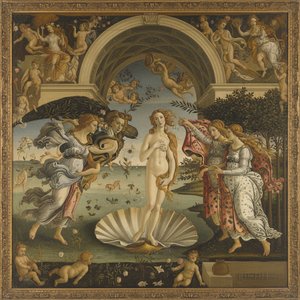
Sandro Botticelli: Die 25 Meisterwerke des Renaissance-Genies – Kunst für Ihr Zuhause
Entdecken Sie die 25 schönsten Meisterwerke von Sandro Botticelli! Erleben Sie die Renaissance-Kunst mit 'Geburt der Venus', 'Primavera' & mehr. Hochwertige Reproduktionen für Ihr Zuhause – jetzt auf ArtsDot.com!
Alte Pinakothek München: Die 25 Meisterwerke für Ihr Zuhause | ArtsDot
Entdecken Sie die 25 Meisterwerke der Alten Pinakothek München! Von Dürer bis Rembrandt – erleben Sie Kunstgeschichte hautnah. Hochwertige Kunstdrucke & Leinwandbilder für Ihr Zuhause bei ArtsDot.com.

Die 25 Meisterwerke des Metropolitan Museum of Art: Kunst für Ihr Zuhause | ArtsDot
Entdecken Sie die 25 berühmtesten Kunstwerke des Metropolitan Museum of Art, New York! Von Van Gogh bis Monet – erleben Sie Geschichten hinter Meisterwerken. Hochwertige Reproduktionen & Inspiration für Ihr Zuhause auf ArtsDot.com.
Die 25 Meisterwerke der National Gallery Washington: Kunst für Ihr Zuhause | ArtsDot
Entdecken Sie die 25 ikonischsten Meisterwerke der National Gallery Washington! Von Cézanne bis Picasso – erfahren Sie die Geschichten hinter berühmten Gemälden, Kunststilen & Farbpaletten. Hochwertige Kunstdrucke online bei ArtsDot.com.



