Versenden
 Teilen
 Details anzeigen
 Leitfaden

 Herunterladen
 Ähnliche Objekte
 Diashow
 Fragen & Antworten
 Statistiken
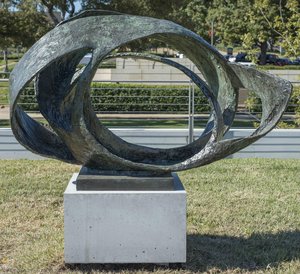
Mutter und Kind


 Weiterlesen
Die auf dieser Seite dargestellten Kunstwerke sind urheberrechtlich geschützt, was bedeutet, dass wir keine identische Reproduktion rechtmäßig erstellen oder verkaufen dürfen. Dieser Schutz wird durch internationale Abkommen wie die Berner Übereinkunft und durch nationale Gesetze, einschließlich derer, die von den US-Urheberrecht – Titel 17.
Diese Methode entspricht vollumfänglich den Urheberrechtsbestimmungen, da sie keine Kopie oder Vervielfältigung des geschützten Kunstwerks darstellt. Stattdessen handelt es sich um eine kreative Neuinterpretation – ein neues Gemälde, das vom Original inspiriert, aber nicht identisch mit ihm ist.
Giclée / Kunstdruck
Giclée- oder Leinwanddruck in Museumsqualität mit schneller Produktion und flexiblen Veredelungsoptionen. ( Handgemalte Reproduktion bestellen Zum digitalen Bild wechseln)




































Wählen Sie aus unseren vordefinierten Formaten, die den ursprünglichen Proportionen des Kunstwerks entsprechen.

Geben Sie die benötigte Breite und Höhe an, damit der Druck perfekt in Ihren Rahmen oder an Ihre Wand passt. Ein Druck kann nur beschnitten, aber niemals größer als das Originalbild angefertigt werden; daher verliert ein Format mit anderen Proportionen einen Teil des Bildes. Wir senden Ihnen ein digitales Mockup zur Freigabe, bevor wir den Druck ausführen. Das auf dieser Seite gezeigte Bild zeigt nicht den tatsächlichen Beschnitt – dies ist nur im Mockup ersichtlich.
Weltweiter Versand () innerhalb von 2 Wochen statt der üblichen 4/5 Wochen. (11 November)

Kostenloser weltweiter Expressversand

Hochwertige Leinenleinwand

Umfassender Versicherungsschutz beim Versand

Zollgebühren-Rückerstattungsgarantie

Garantie für exakte Farbtreue

100 Tage Rückgaberecht (nur bei Mängeln)

100% Geld-zurück-Garantie

Mengenrabatt verfügbar
 Die Glasoption ist nur für Größen unter 110 cm verfügbar.

Mutter und Kind
Giclée / Kunstdruck
Format der Reproduktion
-


Endpreis
€ 56
Barbara Hepworth: Eine Ode an Einfachheit und Geborgenheit – Das Werk „Mutter und Kind“
Die Darstellung einer abstrakten Skulptur von Dame Barbara Hepworth aus dem Jahr 1934 fasziert und beeindruckt zugleich. Dieses außergewöhnliche Kunstwerk zeigt zwei Figuren, die eine natürliche Verbindung eingehen und durch ihre Arme eine tiefgreifende Wärme ausdrücken. Die Skulptur besteht aus Stein oder Marmor und verleiht ihr eine unvergleichliche Eleganz und zeitlose Schönheit. Ein Blick auf dieses Meisterwerk offenbart eine beeindruckende Darstellung menschlicher Beziehungen und eine außergewöhnliche künstlerische Umsetzung.- Überblick über das Werk: „Mutter und Kind“ ist ein zentrales Beispiel für Hepworths Stil und ihre Beschäftigung mit modernen Formen der Skulpturkunst. Das Werk zeichnet sich durch seine klare Linienführung und reduzierte Komposition aus, die eine besondere Wirkung erzielen.
- Material und Technik: Hepworth arbeitete hauptsächlich mit Marmor und Stein, wobei sie häufig eine spezielle Methode zur Herstellung von Formen einsetzte – das sogenannte „Carving“-Verfahren. Durch sorgfältiges Herausarbeiten des Materials gelang es ihr, außergewöhnliche Ausdruckskraft zu erreichen.
- Symbolik und Emotionale Wirkung: „Mutter und Kind“ wird oft als Ausdruck von Geborgenheit und Schutz interpretiert. Die geschlossene Körperhaltung der Figuren symbolisiert eine tiefe Verbindung zwischen Mutter und Sohn und erinnert an die Wärme und Sicherheit eines familiären Zuhauses.
- Historischer Kontext: Das Werk wurde zu Beginn des Zweiten Weltkriegs geschaffen und spiegelt die gesellschaftliche Stimmung dieser Zeit wider – eine Suche nach Einfachheit und Schönheit inmitten von Herausforderungen. Hepworths Kunst steht für eine besondere Art von Menschlichkeit und erinnert daran, dass auch abstrakte Formen Emotionen und Gedanken vermitteln können.
Fragen & Antworten
Ist Barbara Hepworth, der Schöpfer von „Mutter und Kind“, unter anderen Namen bekannt?
Barbara Hepworth ist auch unter den Namen Dame Jocelyn Barbara Hepworth, Dame Barbara Hepworth bekannt.
Welche Emotion vermittelt "Mutter und Kind" von Barbara Hepworth?
Die für "Mutter und Kind" von Barbara Hepworth festgelegte emotionale Stimmung ist Gelassen. Sie fasst das Gefühl zusammen, das das Werk ausdrückt.
Welche allgemeine Stimmung vermittelt "Mutter und Kind" von Barbara Hepworth?
"Mutter und Kind" verströmt eine Serenität Atmosphäre.
Ähnliche Kunstwerke


Künstlerbiografie
Frühes Leben, Familie und Ausbildung
Barbara Hepworth wurde am 10. Januar 1903 in Wakefield, West Riding of Yorkshire, England, geboren. Als ältestes Kind von Gertrude und Herbert Hepworth wuchs sie in einem Umfeld auf, das von technischer Präzision geprägt war; ihr Vater arbeitete als Bauingenieur für den West Riding County Council. Dieser Hintergrund verlieh ihrer Erziehung ein praktisches, strukturelles Fundament, das die räumliche Wahrnehmung, die später ihren Umgang mit der dreidimensionalen Form definieren sollte, maßgeblich prägte. Die Landschaft von Yorkshire wurde so zu einem stillen Mentor für ihr späteres Schaffen.
Ihre formale Ausbildung begann an der Wakefield Girls' High School. Dieser akademische Grundstein führte sie im Jahr 1920 an die Leeds School of Art, wo sie begann, die technische Disziplin zu entwickeln, die für eine ernsthafte Auseinandersetzung mit der Bildhauerei unerlässlich ist. In den 1920er Jahren zog es sie schließlich nach London, um am Royal College of Art zu studieren. Diese prägende Ausbildungszeit war entscheidend für die Etablierung jener intellektuellen Strenge, die ihr Werk von bloßer Dekoration abhebt. Sie lernte nicht einfach nur ein Handwerk; sie meisterte die tiefgreifende Beziehung zwischen Materie und Leere.
Die prägenden Jahre und der frühe Werdegang
Die frühe berufliche Laufbahn von Barbara Hepworth war geprägt von einer Reihe bedeutender persönlicher und künstlerischer Wendepunkte, die die radikalen Veränderungen des britischen Modernismus widerspiegelten. Im Mai 1925 heiratete sie der Bildhauer John Skeaping in Florenz. Diese Zeit war durch eine Hinwendung zum direkten Schnitzen geprägt – eine Methode, die eine physische, unmittelbare Auseinandersetzung mit Stein und Holz erforderte. Bis 1931 erlebte ihr persönliches und kreatives Leben eine weitere Transformation, als sie sich in den Maler Ben Nicholson verliebte. Diese Verbindung war Teil eines größeren, intensiven intellektuellen Kreises moderner Künstler, der sich in Hampstead, London, konzentrierte. Diese sozialen und romantischen Überschneidungen waren keine bloßen Ablenkungen; sie waren die Schmelztiegel, in denen ihr Ansatz zu Raum und Form an den vorherrschenden Trends der Ära gemessen wurde.
Die Auflösung ihrer ersten Ehe im März 1933 markierte eine Abkehr von ihren früheren, eher figurativen Erkundungen. Schließlich heiratete sie Ben Nicholson im Jahr 1938 – eine Verbindung, die ihre Position in der Avantgarde der britischen Abstraktion festigte. In diesen Jahren entfernte sich ihr Werk von den Traditionen der Repräsentation und suchte stattdessen danach, das Wesen der Form durch eine reduziertere, geometrische Sprache zu destillieren. In dieser Übergangsphase bewegte sie sich von der Beschäftigung mit antiken Monumenten hin zu einem anspruchsvollen Verständnis dafür, wie der Negativraum als strukturelles Element fungiert. Ihre Entwicklung war keine lineare Progression, sondern eine Abfolge bewusster, oft schwieriger Brüche mit der Vergangenheit.
Die Unit One Kunstbewegung
Im Jahr 1933 trug Barbara Hepworth maßgeblich zur Gründung der Unit One bei, einer Künstlerkollektiv, das die Richtung der britischen Moderne grundlegend veränderte. Gemeinsam mit Ben Nicholson, Paul Nash und verschiedenen anderen Künstlern arbeitete sie unermüdlich daran, die Kluft zwischen Surrealismus und Abstraktion zu überbrücken. Dies war weit mehr als nur eine stilistische Vorliebe; es war der bewusste Versuch, diese zwei dominierenden Kräfte innerhalb der britischen Kunstszene zu vereinen. Die Bewegung drängte gegen die traditionellen Grenzen der Repräsentation und suchte nach einer neuen visuellen Sprache, die den komplexen Anforderungen der modernen Ära gerecht werden konnte.
Die tiefgreifende Wirkung dieser Ära zeigt sich vor allem in dem Übergang, den Barbara Hepworth vollzog: Weg von ihren frühen figurativen Experimenten, hin zu einem weitaus strengeren, abstrakten Vokabular. Diese Entwicklung war kein isoliertes Ereignis, sondern Teil einer umfassenderen, koordinierten Anstrengung der Unit One Gruppe, die britische Kunst aus ihrer Provincialität zu lösen und sie der internationalen Avantgarde entgegenzuführen. Ihre tiefe Verwurzelung in diesem Kreis festigte ihre Position als zentrale Figur einer Bewegung, die die essenziellen Qualitäten von Form und Raum über die bloße, wörtliche Darstellung stellte.
Mit dem herannahenden Zweiten Weltkrieg verschob sich der geografische Fokus dieser künstlerischen Gemeinschaft. Barbara Hepworth wurde zu einer führenden Gestalt der Künstlerkolonie, die sich in St Ives in Cornwall niedergelassen hatte. Diese Umsiedlung verwandelte das Küstenstädtchen in ein bedeutendes Zentrum modernistischen Denkens. Die Konzentration von Talenten in St Ives ermöglichte eine fortwährende Erforschung der Beziehung zwischen abstrakter Form und der natürlichen Landschaft, wodurch sichergestellt wurde, dass die radikalen Ideen, die von Unit One propagiert wurden, ein zentraler Bestandteil der Entwicklung der britischen Bildhauerei blieben.
Technik und künstlerischer Stil
Barbara Hepworth’s Ansatz für die moderne Bildhauerei ist geprägt von einer unnachgiebigen Hingabe an das Prinzip des direkten Schnitzens. Anstatt Ton zu modellieren, um ihn später zu gießen, arbeitete sie unmittelbar im Material und erlaubte dem Stoff selbst, die endgültige Form zu diktieren. Diese Methode verlangt eine unmittelbare, physische Auseinandersetzung mit der Substanz des Werkes. Mit Meißel und Schnitzwerkzeugen formte sie Marmor und Holz und bemalte oft die Aushöhlungen ihrer Formen, um das Spiel von Licht und Schatten auf den Innenflächen gezielt zu manipulieren. In vielen ihrer Werke ging sie noch einen Schritt weiter und verband die Seiten ihrer Skulpturen mit Draht oder Schnur, wodurch eine ganz reale, physische Spannung zwischen den einzelnen Teilen eines einzigen Objekts entstand.
Ihr bedeutendster Beitrag zur Sprache der Abstraktion ist die Verwendung des Negativraums. Indem sie klaffende Leerräume in ihre Skulpturen integrierte, verwandelte sie das Loch von einem bloßen Fehlen in ein strukturelles Element. Diese Öffnungen schaffen weit mehr als nur Durchbrüche; sie stellen eine Verbindung zwischen dem Objekt und dem sie umgebenden Raum her. Diese Technik zwingt den Betrachter dazu, die Luft innerhalb der Form als einen greifbaren Teil der Komposition anzuerkennen. Das Ergebnis ist eine faszinierende Spannung zwischen Präsenz und Abwesenheit, die ihre gesamte modernistische Ästhetik definiert.
- Pierced Form (1932)
- Single Form (Chûn Quoit) (1961)
- Two Forms (1937)
- Oval Form (Trezion) (1962)
Wichtige Werke und skulpturale Innovationen
Barbara Hepworths bedeutendster Beitrag zur modernen Bildhauerei war ihre radikale Nutzung des Negativraums. Im Jahr 1931 führte sie die durchbrochene Form ein – eine Technik, die das Leere von einem bloßen Fehlen in ein strukturelles Element verwandelte. Dieser Wandel löste die Skulptur von der rein massiven Gestalt und lenkte den Fokus auf das Zusammenspiel von Licht, Raum und Material. Ihr künstlerischer Durchbruch gelang ihr 1937 mit Mother and Child, einem Werk, das ihre Meisterschaft im Umgang mit diesen geometrischen, ausgehöhlten Volumina festigte. Indem sie tief in die Substanz des Materials eingriff, zwang sie den Betrachter dazu, den Raum im Inneren als ein ebenso lebenswichtiges Element wahrzunehmen wie das Material selbst.
Ihre Fähigkeit, organische Themen mit strenger Abstraktion in Einklang zu bringen, zeigt sich eindrucksvoll in ihren Arbeiten der 1930er Jahre. In Werken wie Mother and Child wird deutlich, wie sie menschliche Beziehungen in vereinfachte, abgerundete Formen destillierte. Im Laufe ihrer Karriere erweiterte sie ihr technisches Repertoire um die Integration nicht-skulpturaler Materialien. So schuf sie 1956 die Stringed Figure (Curlew), bei der sie Baumwollfäden nutzte, um die Holzformen zu binden. Dadurch entstand eine physische Spannung, die die innere Geometrie der Skulptur widerspiegelte und die Verbindung zwischen den verschiedenen Teilen eines Objekts durch eine haptische, materielle Bindung betonte.
Das monumentale Ausmaß ihrer Vision erreichte schließlich mit Single Form ihren Höhepunkt. Diese einundzwanzig Fuß hohe, fünf Tonnen schwere Bronzestatue wurde als Denkmal für Dag Hammarskjöld in Auftrag gegeben. Sie bleibt ein definitives Beispiel dafür, wie ihre abstrakte Formensprache in massive, im öffentlichen Raum wirkende Strukturen übersetzt werden kann, ohne dabei den Fokus auf die essenzielle Form zu verlieren.
Späte Jahre und Tod
Das letzte Kapitel von Barbara Hepworths Karriere war tief in St Ives, Cornwall, verwurzelt. Nachdem sie im September 1949 das Gelände des Trewyn Studios erworben hatte, blieb sie für 26 Jahre in dieser malerischen Küstenumgebung. Diese Ära war geprägt von einer bedeutenden Erweiterung in der Dimension und Komplexität ihres Schaffens. Um den enormen Anforderungen ihrer künstlerischen Praxis gerecht zu werden, arbeitete sie ab 1949 mit 16 Assistenten zusammen – eine Notwendigkeit angesichts der körperlichen Schwerstarbeit, die ihre großformatigen Schnitzereien und Bronzegüsse erforderten.
Ihr Leben fand im Jahr 1975 ein abruptes Ende. Ein Brand in ihrem Atelier forderte ihr Leben, als sie erst 72 Jahre alt war. Dieser tragische Vorfall ereignete sich genau in jenen Räumlichkeiten, in denen sie über zwei Jahrzehnte lang gelebt und gearbeitet hatte. Dieses plötzliche Ende hinterließ ein Lebenswerk, das sich in seiner Entwicklung entschlossen von der Figuration hin zu einer rigorosen, auf das Wesentliche reduzierten Abstraktion bewegt hatte.
Vermächtnis und Museumssammlungen
Das künstlerische Erbe von Barbara Hepworth wirkt bis heute durch jene institutionellen Strukturen fort, die ihr physisches Schaffen bewahren. The Hepworth Wakefield in Wakefield, Vereinigtes Königreich, trägt ihren Namen und behauptet eine bedeutende Präsenz in ihrer Geburtsregion. Dieses Museum beherbergt über 400 ihrer Skulpturen und Zeichnungen und stellt sicher, dass ihr ganz besonderer Umgang mit Form und Raum für die Öffentlichkeit erlebbar bleibt. Die Sammlung bietet eine unmittelbare Verbindung zu ihrer Entwicklung als Bildhauerin – von den frühen figurativen Experimenten bis hin zu ihren späteren, hochgradig abstrakten Werken.
In St Ives, Cornwall, bietet das Barbara Hepworth Museum and Sculpture Garden eine ganz andere Form der Bewahrung. Dieser Ort bewahrt ihr Atelier und ihren Garten in jenem Zustand, in dem sie sich während ihres Lebens und Schaffens befanden. Er fungiert als ein fester Bezugspunkt für ihr künstlerisches Wirken und verdeutlicht eindrucksvoll, wie ihre Umgebung ihre Ästhetik maßgeblich beeinflusste. Im Jahr 1980 übergab ihre Familie das Museum an die Tate Gallery, wodurch das langfristige Überleben innerhalb einer bedeutenden nationalen Sammlung gesichert wurde.
Wo man ihre Werke heute erleben kann
Die physische Präsenz von Barbara Hepworth in der Kunstwelt bleibt fest im Hepworth Wakefield im Vereinigten Königreich verankert. Diese Institution beherbergt einen bedeutenden Teil ihres Schaffens und bietet einen konzentrierten Einblick in ihre skulpturale Evolution. Die dortige Sammlung ermöglicht eine unmittelbare Konfrontation mit ihrem Umgang mit dem Material und der Art und Weise, wie sie den Raum durch ihre charakteristischen, durchbrochenen Formen manipulierte.
Über das Vereinigte Königreich hinaus verteilt sich ihr Einfluss auf mehrere bedeutende internationale Sammlungen. In den Vereinigten Staaten bewahrt das Kimbell Art Museum in Fort Worth das Werk „Oval Form (Trezion)“. Dieses Stück demonstriert ihre Fähigkeit, Volumen durch Bronze zu beherrschen. In ähnlicher Weise findet sich im New Orleans Museum of Art die „River Form“, ein Werk, das ihre Auseinandersetzung mit organischen, fließenden Formen hervorhebt. Diese Standorte stellen sicher, dass ihr Werk Teil eines globalen Dialogs bleibt und nicht nur ein lokales Phänomen ist.
Die Reichweite ihres künstlerischen Schaffens erstreckt sich bis zur Auckland Art Gallery Toi o Tāmaki, die „Torso II (Torcello)“ beherbergt. Das Betrachten dieser Werke in ihrem jeweiligen institutionellen Kontext offenbart das wahre Ausmaß und die materielle Realität ihrer Abstraktion. Ihre Skulpturen verlangen eine ganz besondere Art der Betrachtung, die es erfordert, das Objekt zu umwandern, um die tiefe Beziehung zwischen der soliden Masse und der Leere zu begreifen.

Barbara Hepworth
1903 - 1975 , Vereinigtes Königreich
Kurzinfos
- Artistic Movement Or Style: Modernismus, Surrealismus, Abstraktion
- Artists Or Movements Influenced By This Artist: ['Unit One']
- Artists Who Influenced This Artist:
- Constantin Brâncuși
- Jean Arp
- Date Of Birth: 1903
- Date Of Death: 1975
- Full Name: Dame Jocelyn Barbara Hepworth
- Nationality: Englisch
- Notable Artworks:
- Oval Form (Trezion)
- Two Forms
- Totem
- Single Form (Chûn Quoit)
- Mother and Child
- Place Of Birth: Wakefield, Vereinigtes Königreich
Ähnliche Artikel
The Enduring Allure of Marble in Art History: From Classical Sculpture to Modern Abstraction
Explore the captivating history of marble sculpture from ancient Greece to modern art. Discover renowned artists like Canova & Michelangelo, carving techniques, and investment insights at ArtsDot.

Die Essenz der Materie: Ein Leitfaden zur Meisterschaft und Technik der Bildhauerei
Erfahren Sie alles über die Meisterschaft der Bildhauerei und Materialkunde. Entdecken Sie die Kunst der Form jetzt!

Bronze-Meisterwerke: Die 10 Skulpturen, die Kunstgeschichte schrieben | ArtsDot
Entdecken Sie die 10 legendärsten Bronze Skulpturen der Kunstgeschichte! Von Michelangelo bis Rodin – erfahren Sie die Geschichten hinter den Meisterwerken und lassen Sie sich von Wanddeko-Ideen inspirieren. Hochwertige Kunstdrucke auf ArtsDot.com.

Barbara Hepworth: Skulpturale Dialoge mit Form, Raum und menschlicher Existenz
Entdecken Sie das Werk von Barbara Hepworth – einer Meisterin der abstrakten Skulptur. Erfahren Sie mehr über ihre einzigartige Formensprache, Materialien und ihren Einfluss auf die moderne Kunst. Wertvolle Einblicke für Sammler und Kenner.

Geometrische Abstraktion: Die 10 Meisterwerke, die Kunstgeschichte prägten | ArtsDot.com
Entdecken Sie die 10 Meisterwerke der geometrischen Abstraktion! Von Kandinsky bis Mondrian – erleben Sie die Geschichte, Farben & Formen dieser revolutionären Kunstrichtung. Hochwertige Kunstreproduktionen auf ArtsDot.com