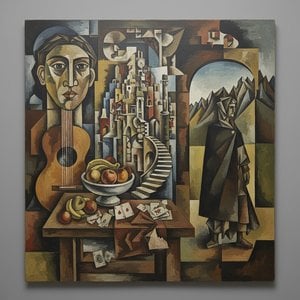
A Sanctuary of Modernity by the Maschsee
Nestled along the tranquil, shimmering shores of the Maschsee lake in Hanover, the Sprengel Museum stands as a profound testament to the transformative power of the modern spirit. It is not merely a repository for canvases and sculptures but a living dialogue between the past and the present, a place where the turbulent energies of the twentieth century are preserved in a state of eternal grace. Since its doors first opened in 1979, the museum has served as a beacon for those drawn to the avant-garde, offering a sanctuary where the raw, emotional intensity of German Expressionism meets the sophisticated structural revolutions of French Modernism. The museum’s very existence is a tribute to the visionary patronage of Bernhard Sprengel, whose immense generosity and deep-seated belief in the necessity of artistic dialogue provided the foundation for one of Germany's most significant cultural landmarks.
The architecture of the museum itself prepares the visitor for the profound encounters awaiting within. Designed by the architectural minds of Peter and Ursula Trint alongside Dieter Quast, the structure embodies a minimalist elegance that avoids the ostentatious, opting instead for a quiet strength. The building’s design prioritizes a seamless flow of space and an abundance of natural light, creating an atmosphere of contemplative serenity. As one moves through the expanded galleries, the architecture acts as a silent interlocutor to the art; the clean lines and spatial fluidity provide a neutral yet sophisticated stage that allows the vibrant, often jarring colors of the collection to resonate with maximum impact. This deliberate harmony between the built environment and the natural beauty of the surrounding landscape ensures that every visit is an immersive sensory experience.
A Tapestry of Expression and Innovation
To wander through the halls of the Sprengel Museum is to embark on a journey through the psychological landscapes of the modern era. The collection’s heart beats most vibrantly within its unparalleled holdings of German Expressionist masterpieces. Here, the works of Ernst Ludwig Kirchner, Emil Nolde, Karl Schmidt-Rottluff, and Erich Heckel pulse with an almost tactile urgency. Their canvases, characterized by distorted forms and a visceral use of color, capture the profound anxieties, spiritual yearnings, and social upheavals of the Weimar Republic era. For the collector or the art enthusiast, these works offer more than aesthetic pleasure; they provide a window into the very soul of a generation grappling with the fragmentation of tradition.
This German intensity is beautifully balanced by the museum’s exquisite selection of French modernist works. The presence of masters such as Pablo Picasso, Georges Braque, Henri Matisse, and Fernand Léger introduces a different kind of revolution—one of form, light, and the deconstruction of perspective. Through Cubism and Fauvism, these artists redefined the boundaries of visual perception, and seeing them housed in such close proximity to the Expressionists creates a rich, intellectual tension that is rare in museum settings. This duality makes the Sprengel Museum a vital destination for interior designers and curators seeking inspiration, as it showcases how radical stylistic shifts can coexist within a single, cohesive narrative of human creativity.
The Legacy of the Avant-Garde
Beyond its permanent treasures, the Sprengel Museum distinguishes itself through its intimate approach to curation and its dedication to the fringes of the avant-garde. The museum is renowned for its thoughtfully designed artist rooms, which are meticulously arranged to foster a personal, almost private encounter between the viewer and the creator’s intent. This intimacy is perhaps most profoundly realized in the Kurt Schwitters Archive . Within this space, the spirit of Dada and Constructivism is palpably alive. The iconic Merz Room serves as a pilgrimage site for those captivated by the transformative potential of found objects and the radical reconstruction of reality that Schwitters pioneered.
The museum’s commitment to excellence is further reflected in its rotating exhibitions, which bridge the gap between established legends and the emerging voices of contemporary art. By constantly refreshing its programmatic offerings, the Sprengel Museum ensures it remains a dynamic force in the international art discourse. It is this relentless pursuit of the new, anchored by a deep respect for the historical foundations of modernism, that makes the museum an indispensable cornerstone of global culture—a place where history is not just remembered, but actively reimagined.