Tep florentského srdce: Věčné dědictví San Lorenzo
Přistoupit k bazilice San Lorenzo ve Florencii znamená vstoupit do živého palimpsestu lidských ambicí, kde každý zašlý kámen a každá vyleštěná mramorová deska šeptají příběhy papežského patronátu, rodinné pobožnosti a samotného zrodu renesance. Bazilika, situovaná v pulzujícím rytmu historické čtvrti městského trhu, slouží jako mnohem více než jen místo kultu; je to monumentální kronika dynastie Medicí . Zatímco její nenápadná exteriér naznačuje staletí vrstvené historie, interiér odhaluje svatyni, kde humanistické obnovení antiky našlo svou nejúchvatnější vyjádření. Jakmile člověk překročí práh, přechod z chaotické energie florentských ulic do klidné, matematické jasnosti lodi je hluboký a nabízí nahlédnutí do světa, kde jsou umění a božstvo nerozlučně spjaty.
Architektonickou duši San Lorenzo definuje revoluční génius Filippa Brunelleschiho . Po zadání od Giovanniego di Bicci de' Medici, aby přetvořil toto starobylé místo – jehož posvěcení sahá až do roku 393 n. l. – zavedl Brunelleschi modulární systém harmonických proporcí, který by redefinoval západní architekturu. Jeho návrh se vyhýbá pompéznímu předvádění ve prospěší klasické střízlivosti a využívá sloupy, oblouky a římské ideály k vytvoření pocitu vyvážené velkoleposti. Procházka lodí je jako vstup do mistrovských hodin geometrie; rytmické opakování čtvercových polí vytváří prostorovou jasnost, která působí nadčasově i hluboce lidsky. Tato architektonická přesnost poskytuje klidnou scénu pro poklady uložené uvnitř, kde světlo a stín tančí po površích navržených tak, aby pozdvihly ducha.
Svatyně sochařského a architektonického lesku
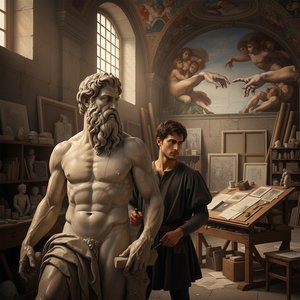
Kromě strukturních triumfů Brunelleschiho se komplex rozprostírá do řady opulentních prostor, které ukazují evoluční estetiku renesance a baroka. Mediciho kaple zastupují oslnivou, téměř přehltivou demonstraci bohatství a moci, kde samotný rozsah mramorových intázií a práce s polodrahými kameny vytváří atmosféru imperiálního velkolepství. V ostrém kontrastu k nenápadné eleganci baziliky tyto kaple ztělesňují dramatičtější, dekorativní intenzitu. V blízkosti Nová sakristie zůstává svědectvím vizionářského, byť nedokončeného, geniality Michela Angela Buonarrotiho . Zde jeho inovativní přístup k prostorovému uspořádání a integraci sochařství naznačuje nedosažený grandiózní záměr, který zve učence i snílky k zamyšlení nad napětím mezi uměleckým záměrem a historickou situací.
Pro náročného sběratele nebo milovníka krásného umění nabízí San Lorenzo hluboké spojení s mistry, kteří formovali západní civilizaci. Komplex je domovem několika nesrovnatelných pokladů:
- Laurentinská knihovna: Michelangelovo mistrovské dílo, které slouží jako útočiště intelektu a hostí iluminované rukopisy v rámci stěn, jež jsou příkladem renesančního ideálu krásy.
- Stará sakristie: Prostor, kde emotivní síla Donatellových soch zachycuje křehkou rovnováhu elegance a lidských emocí.
- Sakrální umění: Návštěvníci se mohou nechat pohltit nepřetržitým dialogem s historií prostřednictím živých fresk Fra Angelika a různých architektonických modelů, jako jsou ty, které zobrazují ambiciózní projekty pro fasádu baziliky.
San Lorenzo není pouze místem historického zájmu, ale setkáním s samotnou duší Florencie – místem, kde se čas zdá zastavit uprostřed trvajících ozvěn velikosti.