


Obsah textu
Základní informace
- Location: Siena, Italy
- Works on APS: 1
- Featured artists: Giovanni d'Agostino
- Alternate names:
- Oratory of San Bernardino
- Oratorio di San Bernardino
Kvíz o umění
Pro každou otázku existuje pouze jedna správná odpověď.
Otázka 1:
What is the primary focus of the Oratory of San Bernardino?
Otázka 2:
Which artist is renowned for his frescoes depicting ‘Marriage of the Virgin’ and ‘Glory of the Virgin’?
Otázka 3:
The Diocesan Museum houses a collection primarily consisting of:
Otázka 4:
Saint Bernardino of Siena is associated with which religious order?
Otázka 5:
What architectural style characterizes the Oratory’s initial decoration?
Umělci v sbírce

Giovanni d'Agostino
Giovanni d'Agostino (c. 1285-1347) was a Sienese sculptor & architect of the Gothic period. Known for collaborations like the Tarlati Cenotaph & Torre del Mangia, he blended technical skill with medieval aesthetics.

Související články
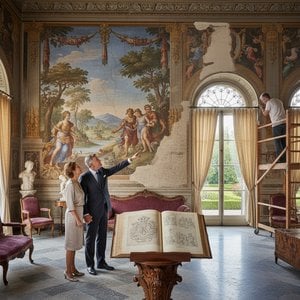
Freska jako rodinné dědictví: Zachovejte svůj původ v obrazech na stěnách
Objevte sílu fresek pro uchování rodinné historie! Kvalitní reprodukce a zakázková malba od . Inspirujte se historií umění a vytvořte jedinečný obraz vašeho původu.

10 legendárních bronzových soch, které změnily umění | ArtsDot
Objevte 10 legendárních bronzových soch od Michelangela, Rodina a dalších mistrů! Ponořte se do historie umění, technik a příběhů za těmito nadčasovými díly. Najděte inspiraci pro váš interiér s ArtsDot.com – repliky nejvyšší kvality.

The Enduring Form: Exploring Themes & Techniques in Sculpture Across Historical Periods
Explore the rich history of sculpture from ancient masterpieces to contemporary innovations. Discover key techniques, influential artists & investment potential for discerning art collectors.


Odebírejte náš newsletter
Buďte na tahu s nejnovějšími novinkami ze světa umění, exkluzivními nabídkami a inspirativními nápady na dekoraci.
Získejte 3 bezplatné návrhy uměleckých děl
Sdělte nám více o svém projektu a naši odborníci na umění vám připraví 3 personalizované návrhy uměleckých děl.
Not Sure Where to Start?
Let Us Curate 3 Options Just for You - Free!