Portrét Bertha Wegmann

Bertha Wegmann's Most Famous Paintings: All 30, Ranked

Aktualizováno říjen 2026 · seřazeno podle našeho skóre popularity (vyhledávání, návštěvy a objednávky u každého díla) · 30 děl umělce Bertha Wegmann v našem katalogu

In short

The Bertha Wegmann painting most people know is Woman sewing in an interior (1891). Right after it come Portrait Of A Young Girl and Portrait of Cecilie Trier, née Melchior (1885). Out of 30 works by Bertha Wegmann in our catalogue, these 30 are the best known. Each one comes with its year, its museum and a short note on what makes it stand out.

1847 – 1926, Soglio Realism Nejvíce děl: Nationalmuseum

Bertha Wegmann's top 10: the pieces everyone knows

1
Woman sewing in an interior (1891) od Bertha Wegmann

Woman sewing in an interior

1891 · Oil On Canvas

The painting Woman sewing in an interior is a work by Bertha Wegmann. Created in 1891, this oil on canvas captures a quiet moment of domesticity. The subject sits at a table, her hands engaged in the rhythmic labor of sewing. It is a scene of stillness, caught within the walls of a lived-in home.

2
Portrait Of A Young Girl od Bertha Wegmann

Portrait Of A Young Girl

Oil On Canvas

Bertha Wegmann executed Portrait Of A Young Girl about 1890. The work is a portrait of a young girl, rendered with the meticulous detail characteristic of the artist's approach to her subjects.

3
Portrait of Cecilie Trier, née Melchior (1885) od Bertha Wegmann

Portrait of Cecilie Trier, née Melchior

1885 · Oil On Canvas · Statens Museum for Kunst, Kodaň

In this 1885 work, Bertha Wegmann presents us with the Portrait of Cecilie Trier, née Melchior. The painting is a full-length portrait that captures the sitter in a moment of quietude. Wegmann, a significant figure in Danish Realism, focuses her attention on the character and presence of the subject, Cecilie Trier, who was born Melchior.

9
Hildegard Thorell, the Artist (1880) od Bertha Wegmann

Hildegard Thorell, the Artist

1880 · Oil On Canvas · Nationalmuseum, Stockholm

The canvas presents "Hildegard Thorell, the Artist," a work that captures a specific moment of presence through the hand of Bertha Wegmann. In this 1880 oil painting, the artist Bertha Wegmann turns her gaze toward Hildegard Thorell, the woman who sits before her. The portrait functions as a quiet meeting between two creators, freezing a shared history within the frame. It is a study of a person, rendered with the…

Keep exploring Bertha Wegmann: 11 to 30

What Bertha Wegmann painted most

The four subjects that come up most often in these pieces, each with its best-known example.

Where you can see Bertha Wegmann's paintings

6 muzea, v nichž je umístěno nejvíce obrazů z této stránky.

Muzea Město Díla autora Bertha Wegmann Obrazy z tohoto seznamu
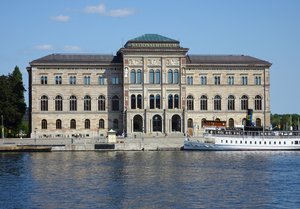
Nationalmuseum, StockholmNationalmuseum Stockholm 7 Woman in Black, Hildegard Thorell, the Artist, Selfportrait
Statens Museum for Kunst, KodaňStatens Museum for Kunst Kodaň 3 Portrait of Cecilie Trier, née Melchior, Modelstudie, Madam Anna Seekamp, the Artist's Sister
Hirschsprung Collection, KodaňHirschsprung Collection Kodaň 3 Portrait of the Swedish pianist Hanna Lucia Bauck, Portrait of Jeanna Bauck, Blue Fan by a Green Pitcher with Flowering Apple Branch
Národní muzeum umění, architektury a designu, OsloNárodní muzeum umění, architektury a designu Oslo 1 A seated young Woman resting her Head in her Hand
Bavarské státní sbírky malby, MnichovBavarské státní sbírky malby Mnichov 1 The Painter Agathe Röstel
Øregård Museum, GentofteØregård Museum Gentofte 1 Summer Day at Taarbæk Strand

One famous Bertha Wegmann piece for every decade

Díla podle dekád

Pick a decade to see its standout piece.

Bertha Wegmann paintings: what people want to know

What painting is Bertha Wegmann best known for?See the answer

Top of the list is Woman sewing in an interior (1891). Right behind it: Portrait Of A Young Girl and Portrait of Cecilie Trier, née Melchior (1885).

How old was Bertha Wegmann at the time of Woman sewing in an interior?See the answer

44 years old. Bertha Wegmann was born in 1847, and Woman sewing in an interior dates from 1891.

Which 10 Bertha Wegmann paintings are the most famous?See the answer

Woman sewing in an interior, Portrait Of A Young Girl, Portrait of Cecilie Trier, née Melchior, Woman in Black, Modelstudie, A seated young Woman resting her Head in her Hand, A young woman, Marie Triepcke sitting in a boat, Portrait of the Swedish pianist Hanna Lucia Bauck, Hildegard Thorell, the Artist a Selfportrait. You'll find the year and the museum of each in the list above.

How many Bertha Wegmann works are there?See the answer

We have 30 works by Bertha Wegmann in our catalogue, dated 1872 to 1925.

Which museums have Bertha Wegmann's best-known paintings?See the answer

You'll find most of them in Nationalmuseum (Stockholm), Statens Museum for Kunst (Kodaň) a Hirschsprung Collection (Kodaň). The museum list above has the full breakdown.

When were Bertha Wegmann's most famous pieces painted?See the answer

In 1880s, more than any other time: 8 of the 30 pieces on this page date from then, Portrait of Cecilie Trier, née Melchior among them.

What are the oldest and newest famous paintings by Bertha Wegmann?See the answer

The earliest piece here is Woman in Black (1872); the most recent is Augusta Dohlmann at her drawingtable (1925).

What did Bertha Wegmann paint most?See the answer

Woman (4), Flowers (4) a Chair (2), out of the 30 pieces on this page.

What did Bertha Wegmann usually paint with?See the answer

Oil On Canvas, used in 5 of the 30 pieces on this page.

Which art movement is Bertha Wegmann linked to?See the answer

Realism, as you can see in the pieces on this page.

What can you see by Bertha Wegmann at the Nationalmuseum?See the answer

You can see 7 of the pieces on this page at the Nationalmuseum, Stockholm, including Woman in Black, Hildegard Thorell, the Artist a Selfportrait.

Can I order a Bertha Wegmann reproduction for my home?See the answer

Yes. Every painting on this page is available as a hand-painted oil reproduction or a print, in the size that suits you. Just open the painting's page to order.

Meet Bertha Wegmann

Pionýřka dánského realismu: Život a umění Berthy Wegmannové

Bertha Wegmannová, narozená v roce 1847 v švýcarské vesnici Soglio, se vyvinula v klíčovou postavu dánského umění pozdního 19. a počátku 20. století. Přestože byla španělsko-německého původu, její umělecká cesta se odehrávala především v Dánsku, kde si získala slávu díky svým neuvěřitelně realistickým portrétům a průkopnickým úspěchům jako žena v uměleckém oboru, který byl tehdy tradičně ovládan mužskou rukou. Příběh Wegmannové je příběhem oddanosti, vytrvalosti a tiché revolty proti společenským normám, což upevnilo její odkaz nejen jako talentované malířky, ale také jako obránkyně uměleckého vzdělávání a uznání žen. Přestěhování její rodiny do Kodíně, když jí bylo pouhých pět let, bylo pro její život zásadní; její otec, obchodník s hlubokým smyslem pro krásu, v ní podpořil rané sklony k kresbě, i když formální výuka nezačala až v devatenácti letech. Tento pozdní začátek možná podnítil její intenzivní soustředění a odhodlanost, jakmile se vydala na cestu uměcí pod vedení Frederik Ferdinand Helsteda, Heinricha Buntzena a Frederika Christiana Lunda – zakladatelů, kteří položili základy jejímu budoucímu stylu.

Od Mnichova k mistrovství: Umělecký vývoj a vlivy

Snaha o umělecké dokonalost dovedla Wegmannovou v roce 1875 do Mnichova, kde nejprve studovala u historického malíře Wilhelma von Lindenschmita mladšího a následně u žánrového malíře Eduarda Kurzbauera. Brzy však pocítila omezení, která přinášela pouze ateliérová výuka. Zlom nastal ve chvíli, kdy Wegmannová upřednostnila přímé pozorování přírody – k závazku k realismu, který se stal jejím podpisem. Tato oddanost se spojila s hlubokým a vlivným přátelstvím a uměleckým partnerstvím se švédskou malířkou Jeannou Bauck. Společně podnikly několik studijních cest do Itálie, čímž rozšířily své obzory a prohloubily porozumění světlu, barvě a kompozici. Tyto cesty nebyly pouze o získávání technických dovedností; představovaly společné zkoumání uměleckých možností a vzájemnou podporu k probourávání rigidních akademických konvencí. Přestože uznala vliv svých učitelů, styl Wegmannové se vyvíjel skrze samostatný studium a neochvějné odhodlání zachytit svět přesně tak, jak ho viděla – s precizní detailností a hlubokou citlivostí.

Uznání a prolomování bariér: Kariéra definovaná úspěchy

Talent Wegmannové rychle upútal pozornost i mimo hranice Dánska. V roce 1881 se spolu s Jeannou Bauck přestěhovala do Paříže, kde vystavovala v několika salonech a získala „čestné uznání“ – významný úspěch, který signalizoval její rostoucí mezinárodní pověst. Po návratu do Kodíně v roce 1882 již byla vysoce ceněna pro díla, která pravidelně vystavovala v paláci Charlottenborg již od roku 1873. Oceňování pokračovalo získáním prestižního Thorvaldsenova medailon v roce 1883 za portrét své sestry, což dále upevnilo její reputaci umělkyně s mimořádnými schopnostmi a vhledem. Největší průlom však nastal v roce 1887, kdy se stala první ženou jmenovanou profesorem na Královské dánské akademii krásných umění – což byl historický okamžik nejen pro ni samotnou, ale pro všechny umělkyně usilující o uznání v patriarchální společnosti. Její snaha podporovat umělecké příležitosti pro ženy sahala daleko za její vlastní úspěchy; v letech 1887 až 1907 působila ve správní radě „Tegne- og kunstindustriskolen for kvinder“ (Škola kresby a průmyslového umění pro ženy), kde aktivně prosazovala vzdělávání budoucích generací. Další uznání přinesl rok 1892 královský medailon Ingenio et Arti, jedna z nejvyšších ctí udělovaných dánským umělcům.

Odkaz realismu a vhledu: Styl, témata a trvalý dopad

Umělecký styl Berthy Wegmannové je definován neochvějným realismem – precizní pozorností k detailu a přesnou reprezentací svých subjektů, která zachytila nejen jejich fyzickou podobnost, ale i jejich vnitřní charakter. Primárně se zaměřovala na portrétní malbu, ve které mistrně vykreslovala osobnosti a sociální kontexty lidí, které malovala, často zobrazujíc scény z domácího života a významné postavy dánské společnosti 19. a 20. století. Její všestrannost však nekončila u portrétů; vytvářela také poutavé zátiší a interiérové scény, čímž demonstrovala svou ovládnutí různých uměleckých technik. Její dílo nabízí vzácné okno do sociální a kulturní krajiny její doby a poskytuje vhled do životů, hodnot a ambicí lidí, které zobrazovala. Wegmannová reprezentovala Dánsko na několika světových výstavách, včetně Světové Columbské výstavy v Chicagu, což dále posílilo její mezinárodní jména. Zemřela v roce 1926 náhle při práci ve svém ateliéru a zanechala po sobě bohatý umělecký odkaz, který i dnes fascinuje diváky. Její průkopnická role umělkyně a pedagogky připravila cestu budoucím generacím žen v umění a zajistila, že její vliv bude trvat daleko za hranice jejího vlastního života. Obrazy Berthy Wegmannové nejsou pouhou reprezentací jednotlivců; jsou to intimní portréty jedné éry, ztvárněné s výjimečnou dovedností a hlubokou empatií.

Všechna díla od Bertha Wegmann: 30 →