Rafael Masó i Valentí: Life and Legacy
Early Life and Background
- Born: Girona, Spain in 1880.
- Masó came from a refined, conservative, Catholic family with strong Catalanist ideologies.
- His upbringing was deeply influenced by his father’s literary and artistic interests, fostering a love for Girona and its traditions.
Artistic Development and Influences
- Initially admired Antoni Gaudí, but later became a key figure in the Noucentisme movement.
- Noucentisme emerged as an alternative to Modernisme, emphasizing civic spirit, Catalan identity, and pro-European ideals.
- Strongly influenced by the English Arts & Crafts movement and German regionalist architecture.
- Sought to blend vernacular architectural traditions with modern structural ideas and craftsmanship.
Key Works and Architectural Style
- Notable Projects: Teixidor Flour Mill (1910), Masó House (1911), Athenea cultural centre (1912) – all in Girona; Masramon House (1913) in Olot, Casas House (1914) in Sant Feliu de Guíxols, and S’Agaró garden city (1923).
- His work is characterized by a refined classicism, integrating local forms, colors, and materials.
- Masó designed houses, villas, apartment blocks, schools, hospitals, shops, and factories, also undertaking renovations of farmhouses and medieval buildings.
Beyond Architecture: A Multifaceted Artist
- Masó was not only an architect but also a distinguished poet, urban planner, politician, and promoter of art and literature.
- He actively contributed to cultural activities and the preservation of Catalan heritage.
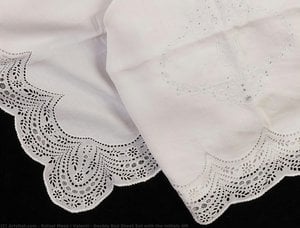
- His designs often extended beyond buildings to include interior decoration, furniture design, and even embroidery patterns.
Historical Significance and Legacy
- Masó played a crucial role in introducing modern housing concepts to Catalonia.
- He revitalized traditional craftsmanship and promoted cultural activity within the region.
- His work represents a unique synthesis of tradition and modernity, reflecting the spirit of early 20th-century Catalan identity.
- Died: 1935, leaving behind a significant architectural legacy that continues to shape Girona’s landscape.
Otázky a odpovědi
Jaké barvy používal/a Rafael Masó I Valentí nejčastěji?
Stránka Genom palety umělce Rafael Masó I Valentí představuje barevný profil celkového díla tohoto tvůrce.
Pod jakými dalšími jmény je Rafael Masó I Valentí známý/á?
Rafael Masó I Valentí se vystupuje även pod alternativními jmény Rafael Masó, Rafael Maso I Valenti, Rafael Maso.
Kde mohu najít statistiky o dílech umělce Rafael Masó I Valentí?
Stránka Statistiky pro umělce Rafael Masó I Valentí obsahuje statistiky vypočítané z jeho děl uvedených na tato webová stránka.