
1

Ručně malovaná olejná reprodukce od $175 31 × 33 cm
Nechte si ji namalovat ručně
Přečtěte si jeho příběh

Aktualizováno listopad 2026 · seřazeno podle našeho skóre popularity (vyhledávání, návštěvy a objednávky u každého díla) · 1 děl umělce Peter Taylor v našem katalogu
Stručně řečeno
Nejznámějším dílem, které pochází od Peter Taylor, je obraz Robert Burns, 1759 - 1796. Poet (1786), který můžete vidět v instituci Scottish National Portrait Gallery ve městě Edinburgh. Z 1 děl umělce Peter Taylor v našem katalogu je těchto 1 těch nejznámějších. U každého díla je uveden rok vzniku, muzeum a krátká poznámka o tom, co jej činí výjimečným.
Muzeum s největším počtem obrazů na této stránce.
| Muzeum | Město | Díla autora Peter Taylor | Obrazy z tohoto seznamu |
|---|---|---|---|
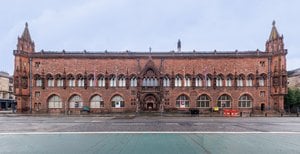 Scottish National Portrait Gallery |
Edinburgh | 1 | Robert Burns, 1759 - 1796. Poet |
1786 je rok, ve kterém byla vytvořena všechna díla umělce Peter Taylor s uvedeným datem na této stránce. Zde jsou, od nejznámějších.
Vyberte rok a prohlédněte si jeho díla.
Na vrcholu seznamu je Robert Burns, 1759 - 1796. Poet (1786).
30 let. Peter Taylor se narodil(a) v 1756 a dílo Robert Burns, 1759 - 1796. Poet pochází z roku 1786.
V našem katalogu máme 1 děl od Peter Taylor.
Většinu z nich najdete v Scottish National Portrait Gallery (Edinburgh). Seznam muzeí výše obsahuje podrobný přehled.
Ano. Každý obraz na této stránce je k dispozici jako ručně malovaná olejná reprodukce nebo jako tisk v rozměru, který vám vyhovuje. Pro objednání stačí otevřít stránku daného obrazu.
Born in Edinburgh in 1756, Peter Taylor lived a life shaped by the practicalities of color and surface. He was a man of many trades, working as an interior decorator, a carriage painter, and a house painter. His hands were accustomed to the textures of walls and the smooth curves of transport, yet he found his way into the quiet intimacy of portraiture. He did not seek the grand scale of the academy, focusing instead on the small, the immediate, and the personal.
In the winter of 1786, a meeting at a dinner party changed the course of his small legacy. He met the poet Robert Burns, and the two shared breakfast together at Taylor's home in West Register Street. This proximity allowed for a rare kind of observation. Over three sittings, Taylor captured the poet's likeness in oil on a small panel. While other portraits of the time sought a polished ideal, Taylor’s work was noted for its resemblance to the man himself, capturing a specific air that others felt was true to the subject's character.
Beyond the canvas, Taylor looked toward the mechanics of industry. He sought to bring new methods of production to Scotland, specifically the manufacture of painted wax cloth. This was a practical endeavor, a way to create linen floor coverings that could withstand the wear of daily life. The Board of Manufactures recognized the utility of his work, granting him £100 toward the costs of his machinery and buildings in 1788.
The physical toll of his work and his health eventually led him away from the familiar streets of Edinburgh. He suffered from tuberculosis, a condition that forced a retreat to the south. He moved to Marseille, where he died in 1788, leaving behind a widow and an infant daughter. His life was a collection of small, industrious movements—from the decorative flourishes on a carriage to the careful application of oil on a small wooden panel.