


1

Ručně malovaná olejná reprodukce od $308 28 × 36 cm
Nechte si ji namalovat ručně
Přečtěte si jeho příběh

Aktualizováno listopad 2026 · seřazeno podle našeho skóre popularity (vyhledávání, návštěvy a objednávky u každého díla) · 2 děl umělce Peder Andersen v našem katalogu
Stručně řečeno
Nejznámějším dílem, které většina lidí zná od Peder Andersen, je Epitaph/painting (1683). Z 2 děl umělce Peder Andersen v našem katalogu je těchto 2 těch nejznámějších. U každého díla je uveden rok vzniku, muzeum a krátká poznámka o tom, co jej činí výjimečným.

Muzeum s největším počtem obrazů na této stránce.
| Muzeum | Město | Díla autora Peder Andersen | Obrazy z tohoto seznamu |
|---|---|---|---|
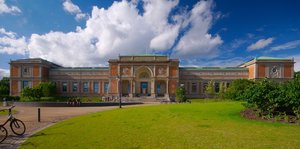 Statens Museum for Kunst |
Kodaň | 1 | Prokurator og skolemester i Helsingør, Lars Berthelsen |
Od 1683 do 1687 pokrývají díla umělce Peder Andersen pouze 5 let. Projděte si rok po roce jeho nejslavnější práce.
Vyberte rok a prohlédněte si jeho díla.
Na vrcholu seznamu je Epitaph/painting (1683).
15 let. Peder Andersen se narodil(a) v 1668 a dílo Epitaph/painting pochází z roku 1683.
V našem katalogu máme 2 děl umělce Peder Andersen z let 1683 až 1687.
Většinu z nich najdete v Statens Museum for Kunst (Kodaň). Seznam muzeí výše obsahuje podrobný přehled.
Nejstarší dílo je z Epitaph/painting (1683); nejnovější je z Prokurator og skolemester i Helsingør, Lars Berthelsen (1687).
Ano. Každý obraz na této stránce je k dispozici jako ručně malovaná olejná reprodukce nebo jako tisk v rozměru, který vám vyhovuje. Pro objednání stačí otevřít stránku daného obrazu.
In the waning years of the seventeenth century, a Norwegian hand moved across canvas to capture the breadth of the earth. Peder Andersen, sometimes known by the name Peder Nordmand Andersen, lived a life that was brief but marked by a singular vision of the globe. Though his time in this world ended far too soon, the traces of his brush remain within the halls of the Museum of National History at Frederiksborg Castle.
His activity around 1680 suggests a man engaged with the grander ideas of his era. He did not merely paint figures or landscapes; he sought to personify the very structure of the earth itself. Through his work, the distant reaches of the map became tangible and present.
The heart of Andersen's legacy lies in a series of four allegorical paintings created around 1688. These works were not intended to be mere maps, but rather symbolic representations of the four known continents of his time. In these compositions, he sought to translate geography into character.
One might look upon his depictions of America or Asia and see a mind preoccupied with how different lands might be understood through metaphor. His approach allowed the viewer to contemplate the scale of the world through a lens of personification, turning vast territories into identifiable, painted entities.
While much of his personal history remains obscured by the passage of centuries, the physical presence of his art provides a window into his skill. His paintings, such as Amerika and Asien, have survived to tell of a Norwegian talent that looked outward toward the horizon.
The preservation of these works in the Frederiksborgmuseet ensures that his specific way of seeing the world is not lost. He remains a figure of interest for those who study how the late seventeenth century perceived the boundaries and identities of the continents.