


1


Aktualizováno listopad 2026 · seřazeno podle našeho skóre popularity (vyhledávání, návštěvy a objednávky u každého díla) · 5 děl umělce John Barry v našem katalogu
Stručně řečeno
Nejznámějším dílem, které pochází od John Barry, je obraz Unknown woman, který můžete vidět v instituci Nationalmuseum ve městě Stockholm. Hned za ním následují Okänd man a Portrait of a Man (1790). Z 5 děl umělce John Barry v našem katalogu je těchto 5 těch nejznámějších. U každého díla je uveden rok vzniku, muzeum a krátká poznámka o tom, co jej činí výjimečným.


2 muzea, v nichž je umístěno nejvíce obrazů z této stránky.
| Muzeum | Město | Díla autora John Barry | Obrazy z tohoto seznamu |
|---|---|---|---|
 Metropolitan Museum of Art |
New York | 3 | Portrait of a Man, Portrait of a Man, Said to Be John Durham, Portrait of a Woman |
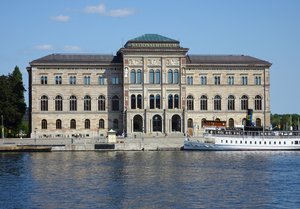 Nationalmuseum |
Stockholm | 2 | Unknown woman, Okänd man |
Na vrcholu žebříčku je Unknown woman, Nationalmuseum, Stockholm. Hned za ním následují: Okänd man a Portrait of a Man (1790).
V našem katalogu máme 5 děl od John Barry.
Většinu z nich najdete v Metropolitan Museum of Art (New York) a Nationalmuseum (Stockholm). Seznam muzeí výše obsahuje podrobný přehled.
Na této stránce můžete uvidět 3 děl v Metropolitan Museum of Art, New York, včetně Portrait of a Man, Portrait of a Man, Said to Be John Durham a Portrait of a Woman.
Ano. Každý obraz na této stránce je k dispozici jako ručně malovaná olejná reprodukce nebo jako tisk v rozměru, který vám vyhovuje. Pro objednání stačí otevřít stránku daného obrazu.
John Barry (1935-1979) remains a figure of quiet fascination within the annals of 20th-century art, largely overshadowed by his monumental contributions to cinematic storytelling. While he achieved international acclaim as a production designer—notably shaping the iconic landscapes and atmosphere of Star Wars, Superman, and numerous other films—Barry’s artistic endeavors extended beyond mere visual spectacle. His work revealed a profound sensitivity to form and color that resonated with influences ranging from Art Deco elegance to the meticulous precision of Victorian portraiture. This duality defines his legacy, cementing him as an artist who seamlessly blended technical prowess with deep aesthetic contemplation.
Barry's formative years were steeped in the rich traditions of British art history, providing a foundation that would later allow him to sculpt entire worlds on the silver screen. His exposure to the Orientalist paintings of John Frederick Lewis instilled in him a lifelong fascination for exotic locales and intricate detail—a stylistic hallmark that would permeate his most famous film designs. Similarly, studying Sir John Tenniel’s illustrations for Alice in Wonderland honed his understanding of visual narrative and the power of symbolic imagery. These artistic precedents informed his approach to crafting immersive cinematic worlds, where he prioritized psychological depth and atmosphere alongside striking, unforgettable visuals.
The trajectory of Barry's career began within the intimate confines of theatre set design, where he quickly established himself as a respected craftsman. In the theatre, he learned the essential art of creating spaces that evoked immediate emotion and conveyed narrative intent through light, shadow, and structure. However, it was his transition into film production that propelled him to global recognition. He did not merely construct sets; he sculpted experiences, guiding audiences through meticulously crafted landscapes and interiors that mirrored the emotional arc of the characters inhabiting them.
< p>His professional achievements are marked by an unwavering commitment to artistic excellence within a commercial context. In the painstakingly constructed environments of Star Wars, his attention to detail demonstrated how production design could serve as a silent protagonist, building a sense of history and scale that felt tangibly real. This ability to marry the fantastical with the believable allowed him to bridge the gap between pure fine art and the industrial demands of Hollywood, leaving an indelible mark on the visual language of modern science fiction and epic drama.Beyond the grand scale of his film work, Barry's personal artistic explorations often turned toward the human form, finding beauty in the quietude of portraiture. His ability to capture the essence of a subject through subtle shifts in tone and texture reflected his deep-seated respect for classical techniques. This intersection of the monumental and the intimate is what makes his body of work so enduringly significant.
The historical significance of John Barry lies in his role as a visionary who bridged the gap between design and fine art. His influence can be seen in:
Though his life was tragically short, the visual landscapes he left behind continue to inspire generations of artists, designers, and filmmakers, ensuring that his name remains synonymous with the magic of atmospheric creation.