Život osvětlený uměním: Cesta Henryho Ossawy Tannera
Henry Ossawa Tanner se narodil v roce 1859 v Pittsburghu v Pensylvánii do rodiny hluboce zakořeněné ve víře a aktivismu. Jeho otec, reverend Benjamin Tucker Tanner, byl významnou postavou afroamerické metodistické episkopální církve, zatímco jeho matka, Sarah Elizabeth Tannerová, s sebou nesla nevypovězené příběhy o útěku z otroctví skrze Podzemní železnici. Toto dědictví v mladém Henrynci vštíplo hluboký smysl identity a smyslu života, který později pronikne do jeho celé umělecké vize. Již od raného věku projevoval k umění silný zájem, který pěstovala pozorování místních malířů a který byl povzbuzován navzdory společenským bariérám, kterým čelili afroameričtí umělci tehdejší doby. Přestěhování rodiny do Filadelfie se ukázalo jako klíčové; vystavilo ho bohaté kulturní krajině a připravilo půdu pro formální vzdělání na Pensylvánské akademii krásných umění v roce 1879. Tam pod vedením Thomasa Eakins—revoluční postavy prosazující realismus a anatomické studie—Tanner zdokonaloval své technické dovednosti a vyvinul neochvějné odhodlání zachytit pravdu na plátno. Avšak i za zdmi akademie se setkával s předsudky, které mu neustále připomínaly výzvy, jež ho čekají.Pařížské probuzení: Hledání vlastního hlasu a uznání
Zlom nastal v roce 1891, kdy Tanner vyrazil do Paříže, což měl původně jen jako mezikrok k dalšímu studiu v Římě. Lákavost francouzského hlavního města však nakonec zvítězila. Zapsal se na Académie Julian, kde se ponořil do pulzující uměcí komunity města a nasávl vlivy francouzského akademického malířství i tehdy rostoucího impresionismu. Právě v Paříži Tanner skutečně našel svůj hlas, osvobozen od některých omezení, která mu v rodném domově kladila rasová předivá. Jeho dílo začalo rezonovat s evropským publikem, vyznačovalo se charakteristickým realismem protkaným duchovní hloubkou. Přijetí díla Daniel v lví jazyce na prestižní Salon v roce 1896 bylo zlomovým okamžikem—jasným potvrzením jeho talentu a průlomem pro afroamerického umělce na mezinárodní scéně. Tento úspěch mu otevřel dveře k dalším výstavám a zakázkám, čímž si Tanner vybudoval postavení respektované postavy v pařížských uměleckých kruzích. Nebyl to jen člověk, který se snaží přežít; on prosperoval, vzdoroval očekáváním a připravoval cestu pro budoucí generace.Témata víry a lidskosti: Jedinečná umělecká vize
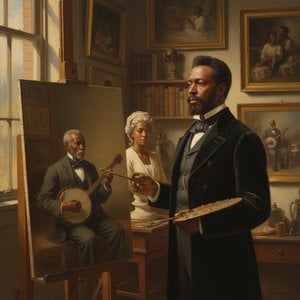
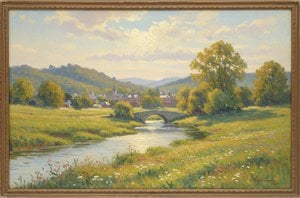
Tannerovo dílo je charakteristické fascinujícím propojením realismu, náboženského symbolismu a intimních portrétů lidské zkušenosti. Zatímco jeho raná díla, jako například Lekce na banjo (1893), nabízela důstojné zobrazení afroamerického života—v ostrém kontrastu k tehdejším převládajícím karikaturám—čím dál více se obracel k biblickým příběhům jako prostředku k prozkoumání univerzálních témat víry, utrpení a odkoupění. Obrazy jako Kristus kráčející po vodě, Vzkříšení Lazara a Dobrý pastýř nejsou pouhým zobrazením písma; jsou to hluboké meditace o spiritualitě, ztvárněné s mistrovskou kontrolou světla, kompozice a emocionální nuance. Své náboženské scény často provážel pocitem tiché kontemplace a zobrazoval Krista jako hluboce lidskou postavu, nikoliv jako odtažitou božskou entitu. Tento přístup oslovil publikum hledající útěchu a smysl v rychle se měnícím světě. Kromě biblických témat Tanner prozkumával také krajinu a panoramatické pohledy—jako je rozlehlá Panoramatický pohled na palác a zahrady ve Versailles—čímž demonstroval svou všestrannost a technickou zdatnost.Odkaz a trvalý dopad: Lomení bariér a inspirace generací
Henry Ossawa Tanner stojí jako monumentální postava v americké dějinách umění, nikoliv jen díky svým uměleckým úspěchům, ale také díky své průkopnické roli při ničení rasových bariér. Byl prvním afroamerickým malířem, který získal široké mezinárodní uznání, čímž vyzvěl stereotypy a otevřel dveře nespočetným umělcům, kteří na něj navázali. Jeho úspěch popřel očekávání a dokázal, že talent nezná barvu pleti. Tannerův vliv sahá daleko za hranice umění; stal se symbolem naděje a odolnosti pro afroamerickou komunitu, dokazujícím, že excelence může zvítězit nad protivenstvími. V roce apo 1923 byl francouzským vládou vyznamenán jako chevalier Légie čest a v roce 1927 získal plné členství v Národní akademii designu—další svědectví jeho uměleckého postavení. Přestože po většinu své kariéry žil v exilu, Tanner nikdy nezapomněl na své kořeny a nadále prosazoval rovnost a inspiroval ke změně prostřednictvím svého umění. Zemřel v Paříži v roce 1937 a zanechal po sobě odkaz, který i dnes osvětluje a posiluje umělce. Jeho dílo zůstává mocným připomínkou transformující síly umění a nezdolného lidského ducha.Významná díla
- Lekce na banjo (1893): Dojemný popis afroamerického života, vykazující důstojnost a dovednost.
- Daniel v lví jazyce (1896): Obraz, který catapultoval Tannera k mezinárodní slávě.
- Vzkříšení Lazara (1897): Mistrovské zkoumání víry a odkoupění, oslavované pro svou dramatickou práci se světlem.
- Zvěstování (1898): Unikátní interpretace biblické scény, protkaná tichou kontemplací.
- Kristus kráčící po vodě (cca 1910): Silné a evokativní zobrazení klíčového okamžiku křesťanského písma.
Otázky a odpovědi
Kde mohu vidět díla umělce Henry Ossawa Tanner v chronologickém pořadí?
Prohlédněte si časovou osu děl umělce Henry Ossawa Tanner: na stránce Chronologie děl jsou díla seřazena podle data jejich vzniku.
Existuje přehled všech témat, která Henry Ossawa Tanner maloval/a?
Stránka Atlas témat mapuje díla umělce Henry Ossawa Tanner podle tématu.
Kde mohu si prohlédnout všechná umělecká díla autora Henry Ossawa Tanner?
Veškerá díla umělce Henry Ossawa Tanner na tato webová stránka si můžete prohlédnout na jeho stránce Všechná umělecká díla.