

1


Aktualizováno listopad 2026 · seřazeno podle našeho skóre popularity (vyhledávání, návštěvy a objednávky u každého díla) · 1 děl umělce Guy Ben Ner v našem katalogu
Stručně řečeno
Pokud znáte jedno dílo umělce Guy Ben Ner, je to pravděpodobně Treehouse Kit (2016), které je vystaveno v Tel Aviv Museum of Art, Tel Aviv. Náš katalog obsahuje 1 děl umělce Guy Ben Ner. Níže je 1 nejznámějších děl, u každého z nich najdete rok vzniku, místo, kde je lze najít, a to, co je výjimečné.
Muzeum s největším počtem obrazů na této stránce.
| Muzeum | Město | Díla autora Guy Ben Ner | Obrazy z tohoto seznamu |
|---|---|---|---|
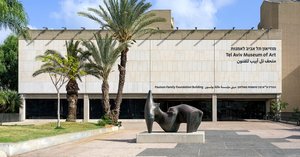 Tel Aviv Museum of Art |
Tel Aviv | 1 | Treehouse Kit |
Všechna díla s datem vzniku od Guy Ben Ner na této stránce pocházejí z jediného roku, 2016. Zde jsou.
Vyberte rok a prohlédněte si jeho díla.
Na vrcholu seznamu je Treehouse Kit (2016).
47 let. Guy Ben Ner se narodil(a) v 1969 a dílo Treehouse Kit pochází z roku 2016.
V našem katalogu máme 1 děl od Guy Ben Ner.
Většinu z nich najdete v Tel Aviv Museum of Art (Tel Aviv). Seznam muzeí výše obsahuje podrobný přehled.
Emerging as a pioneering voice in the realm of video art, Guy Ben Ner has spent decades transforming the most intimate corners of domestic life into expansive, cinematic landscapes. Born in Ramat Gan, Israel, his practice is deeply rooted in the intersection of autobiographical performance and DIY filmmaking. By utilizing the familiar settings of his own home—the kitchen, the living room, or even a makeshift backyard—he creates a surreal playground where the boundaries between reality and fiction dissolve. His work often features himself and his family, turning everyday middle-class existence into a series of staged, self-reflexive narratives that echo the whimsical yet poignant traditions of silent film comedy and the structured drama of the sitcom.
The artist's academic journey provided a rigorous foundation for this experimental approach. After earning a Bachelor of Arts in Education from the HaMidrasha School of Art in 1997, he moved to New York City to pursue a Master of Fine Arts at Columbia University, completing his studies in 2003 under the guidance of the renowned critic Jerry Saltz. This blend of educational background and high-level artistic training allowed him to merge conceptual rigor with a playful, low-tech aesthetic. His technique relies heavily on simple sets, mirrors, and household props to execute what can be described as a burlesque or absurdist form of storytelling, where grand literary epics are collapsed into the modest confines of a family apartment.
Ben Ner’s filmography is characterized by its ability to transpose epic, world-renowned narratives into domestic follies. In his early work, such as Berkeley’s Island (1999), he reimagines the tale of Daniel Defoe’s Robinson Crusoe within the confines of a kitchen, using sand and a single palm tree to evoke the isolation of a castaway. This pattern of literary adaptation continues in Moby Dick (2000), where the vastness of the ocean is replaced by the kitchen floor, and the legendary white whale is suggested through simple, imaginative props. These works do more than just parody classics; they explore themes of isolation, survival, and the way we construct our own realities through play and imagination.
As his career progressed, Ben Ner expanded his stage beyond the walls of his home to engage with broader societal structures. In Stealing Beauty (2007), he moved his family into IKEA showrooms, conducting a facsimile of domestic life amidst unsuspecting shoppers to comment on consumerism and private property. His later works have touched upon even more profound social realities, such as Escape artists (2016), which utilized video lessons given to asylum seekers at the Holot Detention Center to mirror the difficult lives of refugees through cinematic illusion. Through these varied settings, Ben Ner consistently uses the medium of film to examine the politics of postindustrial society, migration, and the tension between the private and public spheres.
The significance of Guy Ben Ner’s contribution to contemporary moving-image practice is reflected in his extensive international presence and numerous accolades. He has represented Israel at the prestigious 2005 Venice Biennale, a milestone that solidified his standing on the global art stage. His work has been exhibited in some of the world's most esteemed institutions, including:
Throughout his career, Ben Ner has been honored with several prestigious awards, such as the Sandberg Prize for Israeli Art from the Israel Museum and the principal prize at the 51st International Short Film Festival Oberhausen. Living and working between Tel Aviv, Berlin, and New York City, he remains a vital figure in the international generation of artists who utilize video as a primary language to explore the complexities of human nature, labor, and the enduring power of storytelling.