Portrét Bertholet Flémal

Váš průvodce 21 nejslavnějšími obrazy autora Bertholet Flémal

Aktualizováno listopad 2026 · seřazeno podle našeho skóre popularity (vyhledávání, návštěvy a objednávky u každého díla) · 22 děl umělce Bertholet Flémal v našem katalogu

Stručně řečeno

Nejslavnější dílo umělce Bertholet Flémal je The Lamentation of Christ (1644). Najdete ho v muzeu Bavarské státní sbírky malby ve městě Mnichov. Další v pořadí jsou Peter and John heal a lame man in the temple (1650) a Conversion of Paul (1625). V našem katalogu máme 22 děl umělce Bertholet Flémal; tento průvodce vybral 21 nejznámějších z nich včetně roku vzniku, muzea a příběhu každého díla.

1614 – 1675, Liège Baroque Nejvíce děl: Bavarské státní sbírky malby

10 obrazů Bertholet Flémal, které je třeba znát jako první

1
The Lamentation of Christ (1644) od Bertholet Flémal

The Lamentation of Christ

1644 · Oil On Canvas · Bavarské státní sbírky malby, Mnichov

The Lamentation of Christ emerges from the brush of Bertholet Flémal, a Franco-Flemish painter whose hand moves with the weight of profound sorrow. This work, created between 1660 and 1670, captures a moment of heavy stillness and grief. The scene unfolds through the vision of an artist who spent his life navigating the artistic currents of Europe, yet his roots remained firmly planted in the soil of his birthplace.

Ručně malovaná olejná reprodukce od $258 26 × 38 cm Velikost jako originál $603 90 × 130 cm Objednat v originální velikosti →
Pořiďte si ho pro sebe Zjistit více
2
Peter and John heal a lame man in the temple (1650) od Bertholet Flémal

Peter and John heal a lame man in the temple

1650 · Oil On Canvas · Kunsthistorisches Museum, Vídeň

The scene unfolds within the monumental architecture of a temple, where the verticality of massive Ionic columns creates a sense of divine order. Light descends from the upper left, cutting through the shadows to illuminate a moment of profound transformation. In the foreground, the figures of Peter and John lean toward a man who has been unable to walk, their gestures bridging the gap between the earthly and the divine.…

Ručně malovaná olejná reprodukce od $258 27 × 38 cm Velikost jako originál $374 57 × 80 cm Objednat v originální velikosti →
Pořiďte si ho pro sebe Zjistit více

Čísla 11 až 21: více obrazů od Bertholet Flémal

Co nejčastěji maloval Bertholet Flémal

Čtyři nejčastější motivy těchto děl, z nichž každý má svůj nejznámější příklad.

Kde si můžete prohlédnout obrazy autora Bertholet Flémal

8 muzea, v nichž je umístěno nejvíce obrazů z této stránky.

Muzeum Město Díla autora Bertholet Flémal Obrazy z tohoto seznamu
Bavarské státní sbírky malby, MnichovBavarské státní sbírky malby Mnichov 3 The Lamentation of Christ, The sorcerer (unidentified scene), The sacrifice of Polyxena
Statens Museum for Kunst, KodaňStatens Museum for Kunst Kodaň 2 The Deposition, The Deposition
Kunsthistorisches Museum, VídeňKunsthistorisches Museum Vídeň 1 Peter and John heal a lame man in the temple
Musée des Augustins, ToulouseMusée des Augustins Toulouse 1 Conversion of Paul
Musée des Beaux-Arts de Tours, ToursMusée des Beaux-Arts de Tours Tours 1 Antoine Swearing Allegiance to Cleopatra
Bonnefanten Museum, MaastrichtBonnefanten Museum Maastricht 1 Madonna
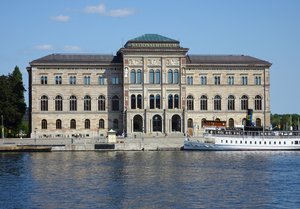
Nationalmuseum, StockholmNationalmuseum Stockholm 1 Achilles wounded in the Heel
Palais des Beaux-Arts de Lille, LillePalais des Beaux-Arts de Lille Lille 1 Saint Lambert Worshipping a Crucifix

Dekáda po dekádě: nejznámější dílo každého Bertholet Flémal

Díla podle dekád

Vyberte si desetiletí a prohlédněte si jeho nejvýraznější dílo.

Bertholet Flémal: rychlé odpovědi o obrazech

Který obraz je nejznámější u Bertholet Flémal?Zobrazit odpověď

Na vrcholu žebříčku je The Lamentation of Christ (1644), Bavarské státní sbírky malby, Mnichov. Hned za ním následují: Peter and John heal a lame man in the temple (1650) a Conversion of Paul (1625).

Kdy byl/a Bertholet Flémal při tvorbě díla The Lamentation of Christ?Zobrazit odpověď

30 let. Bertholet Flémal se narodil(a) v 1614 a dílo The Lamentation of Christ pochází z roku 1644.

Jakých je 10 nejlepších obrazů umělce Bertholet Flémal?Zobrazit odpověď

The Lamentation of Christ, Peter and John heal a lame man in the temple, Conversion of Paul, The sorcerer (unidentified scene), The sacrifice of Polyxena, Triumph and Revelation of the Mystery of the Holy Sacrament Linked to that of the Trinity, Antoine Swearing Allegiance to Cleopatra, Madonna, The Deposition a Achilles wounded in the Heel. Rok vzniku a muzeum každého díla najdete v seznamu výše.

Kolik děl umělce Bertholet Flémal se nachází ve vašem katalogu?Zobrazit odpověď

V našem katalogu máme 22 děl umělce Bertholet Flémal z let 1625 až 1670.

Ve kterých muzeích můžete vidět slavná díla umělce Bertholet Flémal?Zobrazit odpověď

Většinu z nich najdete v Bavarské státní sbírky malby (Mnichov), Statens Museum for Kunst (Kodaň) a Kunsthistorisches Museum (Vídeň). Seznam muzeí výše obsahuje podrobný přehled.

Kdy vytvořil/a Bertholet Flémal svá nejznámější díla?Zobrazit odpověď

V období 1650s, více než v jakémkoli jiném čase: 8 z 21 děl na této stránce pochází z této doby, z nichž Peter and John heal a lame man in the temple.

Jaká jsou první a poslední slavná díla umělce Bertholet Flémal?Zobrazit odpověď

Nejstarší dílo je z Conversion of Paul (1625); nejnovější je z Saint Lambert Worshipping a Crucifix (1670).

Která technika se nejčastěji objevuje v obrazech autora Bertholet Flémal?Zobrazit odpověď

Oil On Canvas, použito u 4 z 21 děl na této stránce.

K jakému stylu nebo směru patří Bertholet Flémal?Zobrazit odpověď

Baroque, jak je vidět u děl na této stránce.

Která slavná díla autora Bertholet Flémal se nacházejí v Bavarské státní sbírky malby?Zobrazit odpověď

Na této stránce můžete uvidět 3 děl v Bavarské státní sbírky malby, Mnichov, včetně The Lamentation of Christ, The sorcerer (unidentified scene) a The sacrifice of Polyxena.

Kde si mohu objednat reprodukci Bertholet Flémal?Zobrazit odpověď

Ano. Každý obraz na této stránce je k dispozici jako ručně malovaná olejná reprodukce nebo jako tisk v rozměru, který vám vyhovuje. Pro objednání stačí otevřít stránku daného obrazu.

Příběh umělce Bertholet Flémal

A Life Immersed in Baroque Splendor: The World of Bertholet Flémal

Bertholet Flémal, a name resonating with the opulent spirit of 17th-century Europe, was born in Liège, Belgium, in 1614. His artistic journey began within a family deeply rooted in craftsmanship—his father, Renier Flémal, was a skilled painter of stained glass. This early exposure to color and form undoubtedly laid the foundation for his future endeavors. Flémal’s initial training took place under the guidance of Henri Trippet, followed by studies with Gérard Douffet, both respected figures in the Liège art scene. These formative years instilled in him a solid technical base, preparing him for the ambitious path that lay ahead.

From Rome to Versailles: A Cosmopolitan Career

The year 1638 marked a pivotal moment in Flémal’s life—his first journey to Rome. This sojourn into the heart of artistic innovation proved transformative, exposing him to the masters and the prevailing Baroque aesthetic. His talent quickly garnered attention, leading to an invitation from the Duke of Tuscany to Florence, where he contributed to the decoration of one of his galleries. The allure of Paris soon beckoned, and Flémal found himself immersed in the elaborate world of Louis XIV’s court. He undertook significant decorative work at Versailles, a testament to his growing reputation and skill. Notably, he painted for the sacristy of the church of the Augustinians, creating an *Adoration of the Magi* that showcased his developing style—a blend of dramatic composition and refined detail.

A Return to Liège and Royal Recognition

Despite his successes abroad, Flémal maintained a strong connection to his native Liège. He returned in 1647 and dedicated himself to numerous commissions for the region’s churches, becoming a prominent figure in the local artistic community. His patron, Canon Lambert de Liverloo, Chancellor to the Prince-Bishop of Liège, played a crucial role in securing these opportunities. Flémal wasn't solely focused on painting; he also designed religious buildings and fittings, though sadly, none of his architectural work survives today. The pinnacle of his career arrived in 1670 when he was re-invited to Paris by Louis XIV himself. He undertook the monumental task of painting the ceiling of the audience room in the Tuileries Palace—an allegory depicting *Religion Protecting France*. This commission solidified his position as a leading artist, culminating in his appointment as a professor at the prestigious Académie Royale de Peinture et de Sculpture. He was further honored with a canonical prebendary within the collegiate church of St Paul in Liège, demonstrating both his artistic and social standing.

Themes, Style, and Lasting Legacy

Flémal’s oeuvre is characterized by religious scenes imbued with Baroque grandeur. His paintings often feature dynamic compositions, rich color palettes (though some critics noted a tendency towards paler hues), and figures rendered with meticulous detail—sometimes perceived as somewhat artificial. He excelled in large-scale decorative projects, creating immersive environments that celebrated faith and power. His most renowned work, *The Glorification of the Holy Cross*, remains a striking example of his artistic vision within St Bartholomew’s Church in Liège. While he is believed to have painted a portrait of Jean-Baptiste Colbert, the influential finance minister, speculation regarding a potential apprenticeship under Jacob Jordaens has remained unverified. Gerard de Lairesse stands as one of his most notable pupils, carrying forward Flémal's artistic traditions. In the twilight of his life, a profound melancholy descended upon him, necessitating medical care in whose house he passed away in 1675. Despite this somber end, Bertholet Flémal left an indelible mark on the Baroque landscape, bridging the gap between local Liège artistry and the international courts of Europe. His work continues to captivate viewers with its blend of technical skill, dramatic flair, and spiritual devotion.