Portrét Anton Melbye

Nejslavnější obrazy umělce Anton Melbye: všech 27, seřazeno

Aktualizováno listopad 2026 · seřazeno podle našeho skóre popularity (vyhledávání, návštěvy a objednávky u každého díla) · 30 děl umělce Anton Melbye v našem katalogu

Stručně řečeno

Nejznámějším dílem, které pochází od Anton Melbye, je obraz Seascape (1843), který můžete vidět v instituci Státní Ermitáž ve městě Sankt-Petěrburg. Hned za ním následují A ship in high seas at sunset (1847) a Marine Landscape (1845). Z 30 děl umělce Anton Melbye v našem katalogu je těchto 27 těch nejznámějších. U každého díla je uveden rok vzniku, muzeum a krátká poznámka o tom, co jej činí výjimečným.

1818 – 1875, Copenhagen Nejvíce děl: Statens Museum for Kunst

Top 10 děl Anton Melbye: díla, která zná každý

1
Seascape (1843) od Anton Melbye

Seascape

1843 · Oil On Canvas · Státní Ermitáž, Sankt-Petěrburg

To gaze upon this seascape is to feel the immense breath of the ocean itself—a captivating confluence of water, sky, and human endeavor. Painted in 1843, this work by Anton Melbye transports the viewer directly onto a dynamic stretch of water where life unfolds amidst the grandeur of nature. The composition is richly populated; one can count at least thirteen vessels dotting the surface, their varying sizes and placements suggesting…

Ručně malovaná olejná reprodukce od $183 36 × 27 cm Velikost jako originál $203 46 × 35 cm Objednat v originální velikosti →
Nechte si ji namalovat ručně Přečtěte si jeho příběh

Pokračujte v objevování Anton Melbye: 11 až 27

Co nejčastěji maloval Anton Melbye

Čtyři nejčastější motivy těchto děl, z nichž každý má svůj nejznámější příklad.

Kde si můžete prohlédnout obrazy autora Anton Melbye

7 muzea, v nichž je umístěno nejvíce obrazů z této stránky.

Muzeum Město Díla autora Anton Melbye Obrazy z tohoto seznamu
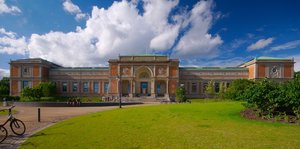
Statens Museum for Kunst, KodaňStatens Museum for Kunst Kodaň 9 En shetlandsk fiskerbåd i stormfuldt vejr nord for Orkneyøerne, Paris med Tour St. Jacques og Notre Dame. Aftenstemning, En dansk korvet i rum sø efter en storm
Státní Ermitáž, Sankt-PetěrburgStátní Ermitáž Sankt-Petěrburg 2 Seascape, Sea at Night
Nivaagaards Malerisamling, NibeNivaagaards Malerisamling Nibe 2 A ship in high seas at sunset, Quiet Evening in the Copenhagen Roads
Finnish National Gallery, HelsinkiFinnish National Gallery Helsinki 1 Marine Landscape
ARoS Aarhus Kunstmuseum, AarhusARoS Aarhus Kunstmuseum Aarhus 1 Jylland
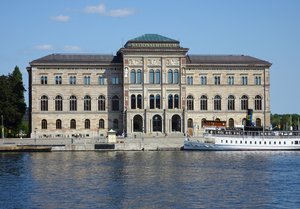
Nationalmuseum, StockholmNationalmuseum Stockholm 1 The sailing ship ‚Johanna‘ and other vessels in Sundet off Kronborg Castle
Auckland Art Gallery Toi o Tāmaki, AucklandAuckland Art Gallery Toi o Tāmaki Auckland 1 View Of The Adriatic

Jedno slavné dílo Anton Melbye pro každé desetiletí

Díla podle dekád

Vyberte si desetiletí a prohlédněte si jeho nejvýraznější dílo.

Obrazy autora Anton Melbye: co si lidé chtějí vědět

Kterým obrazem je Anton Melbye nejznámější?Zobrazit odpověď

Na vrcholu žebříčku je Seascape (1843), Státní Ermitáž, Sankt-Petěrburg. Hned za ním následují: A ship in high seas at sunset (1847) a Marine Landscape (1845).

Kolik let bylo Anton Melbye ve době vzniku díla Seascape?Zobrazit odpověď

25 let. Anton Melbye se narodil(a) v 1818 a dílo Seascape pochází z roku 1843.

Kterých 10 obrazů autora Anton Melbye je nejznámějších?Zobrazit odpověď

Seascape, A ship in high seas at sunset, Marine Landscape, En shetlandsk fiskerbåd i stormfuldt vejr nord for Orkneyøerne, Paris med Tour St. Jacques og Notre Dame. Aftenstemning, En dansk korvet i rum sø efter en storm, Marine, Coastal Landscape with Mountains. A Storm Brewing, A Seascape a Marine. Rok vzniku a muzeum každého díla najdete v seznamu výše.

Kolik je k dispozici děl autora Anton Melbye?Zobrazit odpověď

V našem katalogu máme 30 děl umělce Anton Melbye z let 1842 až 1866.

Ve kterých muzeích jsou nejznámější obrazy umělce Anton Melbye?Zobrazit odpověď

Většinu z nich najdete v Statens Museum for Kunst (Kodaň), Státní Ermitáž (Sankt-Petěrburg) a Nivaagaards Malerisamling (Nibe). Seznam muzeí výše obsahuje podrobný přehled.

Kdy byly namalovány nejznámější díla umělce Anton Melbye?Zobrazit odpověď

V období 1840s, více než v jakémkoli jiném čase: 8 z 27 děl na této stránce pochází z této doby, z nichž Seascape.

Jaká jsou nejstarší a nejnovější slavná díla umělce Anton Melbye?Zobrazit odpověď

Nejstarší dílo je z En shetlandsk fiskerbåd i stormfuldt vejr nord for Orkneyøerne (1842); nejnovější je z French River Landscape with a Bridge (1866).

Co můžete vidět od Anton Melbye v Statens Museum for Kunst?Zobrazit odpověď

Na této stránce můžete uvidět 9 děl v Statens Museum for Kunst, Kodaň, včetně En shetlandsk fiskerbåd i stormfuldt vejr nord for Orkneyøerne, Paris med Tour St. Jacques og Notre Dame. Aftenstemning a En dansk korvet i rum sø efter en storm.

Mohu si objednat reprodukci Anton Melbye pro svůj domov?Zobrazit odpověď

Ano. Každý obraz na této stránce je k dispozici jako ručně malovaná olejná reprodukce nebo jako tisk v rozměru, který vám vyhovuje. Pro objednání stačí otevřít stránku daného obrazu.

Seznamte se s Anton Melbye

The Mariner’s Eye: Unveiling the Seascapes of Anton Melbye

Anton Melbye, a name perhaps less familiar than many of his Romantic contemporaries, nevertheless holds a unique and compelling place in 19th-century art. Born in Copenhagen in 1818, he wasn't destined for a life at sea, initially pursuing an engineering career before recognizing his true calling: capturing the raw beauty and formidable power of the maritime world. His journey from shipbuilding apprentice to celebrated painter and photographer reveals a fascinating evolution shaped by personal circumstance, artistic influences, and a profound connection to the rhythms of the ocean. Melbye’s legacy rests primarily in his evocative seascapes – paintings that transcend mere representation, instead offering glimpses into the soul of the sea itself.

Early Life and Artistic Foundations

Melbye's early life was marked by a degree of constraint. His father, a Royal Customs officer, steered him towards a practical profession, while his myopia initially diverted him from naval aspirations. However, a burgeoning passion for music and art ultimately led him to the Royal Danish Academy of Fine Arts in 1838, where he studied under the esteemed C.W. Eckersberg. This formative period instilled in him a rigorous understanding of technique and composition, yet it was his own deep fascination with the sea that truly ignited his artistic drive. Crucially, Melbye’s early work wasn't solely focused on idyllic coastal scenes; he meticulously documented voyages, capturing the realities of shipboard life – cramped quarters, arduous labor, and the ever-present threat of storms. These observations provided a grounding for his later, more celebrated seascapes, imbuing them with an authentic sense of maritime experience.
The Baltic Voyage and the Rise to Prominence

Melbye’s career took a pivotal turn in 1845 when he was invited to accompany King Christian VIII on a voyage through the Baltic and North Seas aboard the corvette *Cimbria*. This extraordinary opportunity provided him with unparalleled access to the ocean's dramatic moods, allowing him to paint directly from observation. The resulting paintings – particularly those depicting the turbulent waters around the Eddystone Lighthouse – garnered immediate acclaim and secured his place within the Danish art establishment. The King’s patronage was a significant boost, but it was the recommendation of the influential German art collector, Karl Friedrich von Rumohr, that truly propelled Melbye onto the international stage. This connection opened doors to Parisian artistic circles, where he would spend several formative years refining his style and technique.

Parisian Influences and Photographic Experimentation

Melbye’s time in Paris proved transformative. He immersed himself in the work of artists like Camille Corot, whose loose brushwork and emphasis on atmospheric effects profoundly influenced Melbye's approach to seascape painting. He embraced a looser, more expressive style, prioritizing capturing the *feeling* of the sea over precise detail. Simultaneously, he became deeply involved with the burgeoning field of photography, initially apprenticing under Louis Daguerre shortly before the photographer’s death. This experience proved invaluable, allowing him to develop a keen understanding of light and shadow – skills that he subsequently applied to his paintings, creating an astonishingly realistic depiction of the sea's surface and its ever-changing moods. His experimentation with daguerreotype photography during this period further solidified his reputation as a forward-thinking artist.

A Legacy of Dramatic Seascapes

Returning to Denmark in 1853, Melbye continued to produce works that showcased his mastery of light, color, and composition. His paintings are characterized by their dramatic intensity – the churning waves, the ominous skies, and the subtle shifts in tone all contribute to a palpable sense of drama. He wasn’t simply painting seascapes; he was conveying the *experience* of being at sea, capturing both its beauty and its inherent danger. While his work received considerable recognition during his lifetime, it's only in recent decades that Anton Melbye has achieved the widespread acclaim he deserves. His unique perspective – a blend of meticulous observation, artistic sensitivity, and innovative techniques – ensures that his seascapes continue to resonate with viewers today, offering a powerful reminder of the ocean’s enduring allure and its profound impact on the human spirit. His legacy is not just as a painter, but as one of the first artists to truly capture the essence of the maritime world through both brush and lens.