Portrét Andrew Plimer

Seznamte se s 12 nejznámějšími obrazy autora Andrew Plimer

Aktualizováno listopad 2026 · seřazeno podle našeho skóre popularity (vyhledávání, návštěvy a objednávky u každého díla) · 12 děl umělce Andrew Plimer v našem katalogu

Stručně řečeno

Pokud znáte jedno dílo umělce Andrew Plimer, je to pravděpodobně Portrait of a Woman (1785), které je vystaveno v Muzeum umění Houston, Houston. Unknown woman (1787) a Portrait of a lady (1800) doplňují trojici děl, která lidé okamžitě poznají. Náš katalog obsahuje 12 děl umělce Andrew Plimer. Níže je 12 nejznámějších děl, u každého z nich najdete rok vzniku, místo, kde je lze najít, a to, co je výjimečné.

1763 – 1837, Wellington Nejvíce děl: Yale Center for British Art

Začněte zde: 10 nejlepších obrazů umělce Andrew Plimer

1
Portrait of a Woman (1785) od Andrew Plimer

Portrait of a Woman

1785 · Gouache · Muzeum umění Houston, Houston

A young woman faces the viewer from within an oval frame, her presence felt through a soft, hazy blue background. She wears a translucent greyish-brown bonnet that shadows her silvery-grey hair. A white chemise rests against her skin, which is rendered in pale, rosy tones. The light falls evenly across her face, catching the gentle curve of her cheek and the quiet, enigmatic expression held in her eyes. It is…

Ručně malovaná olejná reprodukce od $183 28 × 35 cm
Nechte si ji namalovat ručně Přečtěte si jeho příběh
2
Unknown woman (1787) od Andrew Plimer

Unknown woman

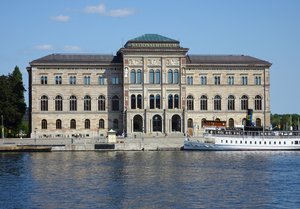
1787 · Watercolor · Nationalmuseum, Stockholm

This portrait miniature, executed in 1787, presents a young woman in a delicate profile view. The subject faces left, her features defined by a soft, stippled technique characteristic of late 18th-century watercolor or gouache on ivory. A voluminous updo, styled in the fashion of the 1780s, frames her face and is adorned with a light-colored ribbon that cascades down her back. She wears a garment featuring a ruffled collar, or…

Ručně malovaná olejná reprodukce od $183 29 × 35 cm
Pořiďte si ho pro sebe Zjistit více
3
Portrait of a lady (1800) od Andrew Plimer

Portrait of a lady

1800 · Watercolor · Finnish National Gallery, Helsinki

This intimate work, titled Portrait of a lady, was executed by the British artist Andrew Plimer. It belongs to the tradition of portrait miniatures, a genre that flourished during the late eighteenth and early nineteenth centuries. The subject is presented in a delicate profile, a composition that invites a close, personal inspection of her features and the fine details of her attire.

Ručně malovaná olejná reprodukce od $183 27 × 37 cm
Objednat tento dílo Více informací o tomto díle
4
Portrait of a Naval Officer od Andrew Plimer

Portrait of a Naval Officer

Watercolor · Yale Center for British Art, New Haven

This work is the Portrait of a Naval Officer, a delicate miniature created by the British artist Andrew Plimer. The subject is rendered with a quiet intimacy, capturing a young man in naval attire through a focused, close-up perspective. It is a piece that invites a closer look, revealing the fine details of the officer's uniform and the subtle contours of his features.

Ručně malovaná olejná reprodukce od $183 26 × 38 cm
Nechte si ji namalovat ručně Přečtěte si jeho příběh
5
Portrait of a Gentleman od Andrew Plimer

Portrait of a Gentleman

Watercolor · Yale Center for British Art, New Haven

The Portrait of a Gentleman by Andrew Plimer presents us with an intimate encounter with a young man from a bygone era. This miniature portrait captures a gentleman in a moment of quiet poise, his gaze meeting the viewer with a calm and steady expression. The scale of the work is remarkably small, inviting a close, personal inspection of the subject's features and the delicate details of his attire.

Ručně malovaná olejná reprodukce od $183 28 × 36 cm
Pořiďte si ho pro sebe Zjistit více
6
Mary and Nathaniel Jefferys od Andrew Plimer

Mary and Nathaniel Jefferys

Watercolor · Yale Center for British Art, New Haven

In this intimate portrait miniature, Mary and Nathaniel Jefferys appear huddled together, seeking warmth under a shared white cloth. The two young subjects, likely siblings, gaze out from an oval-shaped composition that draws the viewer into their private, quiet moment. A soft, diffused light falls from the front left, casting gentle shadows across their faces and the folds of the drapery. This light highlights the luminosity of their skin and…

Ručně malovaná olejná reprodukce od $208 26 × 38 cm
Objednat tento dílo Více informací o tomto díle
7
Portrait of a Girl od Andrew Plimer

Portrait of a Girl

Watercolor · Yale Center for British Art, New Haven

Portrait of a Girl is a portrait miniature by the artist Andrew Plimer. This small-scale work captures a youthful female figure, focusing on the delicate features of her face and shoulders. The subject is rendered with a serene expression, a quiet stillness that meets the viewer through a direct, eye-level perspective.

Ručně malovaná olejná reprodukce od $183 26 × 38 cm
Objednat tento dílo Více informací o tomto díle
8
Portrait of a Lady od Andrew Plimer

Portrait of a Lady

Watercolor · Yale Center for British Art, New Haven

Portrait of a Lady is an artwork by Andrew Plimer, executed about 1800. This work belongs to the Romanticism movement and the tradition of 19th-century portrait miniatures. The subject is presented in profile, offering an intimate view of the sitter.

Ručně malovaná olejná reprodukce od $183 27 × 37 cm
Pořiďte si ho pro sebe Zjistit více
10
Portrait of a Lady od Andrew Plimer

Portrait of a Lady

Watercolor · Yale Center for British Art, New Haven

Portrait of a Lady is an artwork by Andrew Plimer, dating to about 1800. This piece belongs to the Romanticism movement and the tradition of the 19th-century portrait miniature. The subject is a woman presented in profile, a composition that invites close, personal inspection of her features.

Ručně malovaná olejná reprodukce od $183 27 × 38 cm
Objednat tento dílo Více informací o tomto díle

Více oblíbených děl umělce Andrew Plimer, od 11 do 12

Co nejčastěji maloval Andrew Plimer

Čtyři nejčastější motivy těchto děl, z nichž každý má svůj nejznámější příklad.

Kde si můžete prohlédnout obrazy autora Andrew Plimer

5 muzea, v nichž je umístěno nejvíce obrazů z této stránky.

Muzeum Město Díla autora Andrew Plimer Obrazy z tohoto seznamu
Yale Center for British Art, New HavenYale Center for British Art New Haven 7 Portrait of a Naval Officer, Portrait of a Gentleman, Mary and Nathaniel Jefferys
Muzeum umění Houston, HoustonMuzeum umění Houston Houston 1 Portrait of a Woman
Nationalmuseum, StockholmNationalmuseum Stockholm 1 Unknown woman
Finnish National Gallery, HelsinkiFinnish National Gallery Helsinki 1 Portrait of a lady
Metropolitan Museum of Art, New YorkMetropolitan Museum of Art New York 1 Elizabeth Bushby

Andrew Plimer dekáda po dekádě: jeden vyjemtelný dílo v každém období

Díla podle dekád

Vyberte si desetiletí a prohlédněte si jeho nejvýraznější dílo.

Vaše dotazy k obrazům autora Andrew Plimer

Který obraz od Andrew Plimer je nejznámější?Zobrazit odpověď

Na vrcholu žebříčku je Portrait of a Woman (1785), Muzeum umění Houston, Houston. Hned za ním následují: Unknown woman (1787) a Portrait of a lady (1800).

Kolik let bylo Andrew Plimer, když bylo vytvořeno dílo Portrait of a Woman?Zobrazit odpověď

22 let. Andrew Plimer se narodil(a) v 1763 a dílo Portrait of a Woman pochází z roku 1785.

Kterých 10 nejznámějších obrazů má Andrew Plimer?Zobrazit odpověď

Portrait of a Woman, Unknown woman, Portrait of a lady, Portrait of a Naval Officer, Portrait of a Gentleman, Mary and Nathaniel Jefferys, Portrait of a Girl, Portrait of a Lady, Portrait of a Lady a Portrait of a Lady. Rok vzniku a muzeum každého díla najdete v seznamu výše.

Kolik obrazů vytvořil/a Andrew Plimer?Zobrazit odpověď

V našem katalogu máme 12 děl umělce Andrew Plimer z let 1785 až 1804.

Kde můžete vidět slavná díla umělce Andrew Plimer?Zobrazit odpověď

Většinu z nich najdete v Yale Center for British Art (New Haven), Muzeum umění Houston (Houston) a Nationalmuseum (Stockholm). Seznam muzeí výše obsahuje podrobný přehled.

Kdy Andrew Plimer namaloval svá nejznámější díla?Zobrazit odpověď

V období 1780s, více než v jakémkoli jiném čase: 2 z 12 děl na této stránce pochází z této doby, z nichž Portrait of a Woman.

Která slavná obrazová díla umělce Andrew Plimer vznikla jako první a která jako poslední?Zobrazit odpověď

Nejstarší dílo je z Portrait of a Woman (1785); nejnovější je z Elizabeth Bushby (1804).

Jaká témata se nejčastěji objevují v obrazech umělce Andrew Plimer?Zobrazit odpověď

Woman (8), Portrait (3) a Hair (3) z celkových 12 kusů na této stránce.

Jaké materiály používal(a) Andrew Plimer nejčastěji?Zobrazit odpověď

Watercolor, použito u 11 z 12 děl na této stránce.

Jaká díla umělce Andrew Plimer můžete vidět v Yale Center for British Art?Zobrazit odpověď

Na této stránce můžete uvidět 7 děl v Yale Center for British Art, New Haven, včetně Portrait of a Naval Officer, Portrait of a Gentleman a Mary and Nathaniel Jefferys.

Mohu si pořídit reprodukci obrazu od Andrew Plimer?Zobrazit odpověď

Ano. Každý obraz na této stránce je k dispozici jako ručně malovaná olejná reprodukce nebo jako tisk v rozměru, který vám vyhovuje. Pro objednání stačí otevřít stránku daného obrazu.

Seznámit se s umělcem Andrew Plimer

Andrew Plimer: The Miniature Master of Victorian London

The world of 18th and 19th-century portraiture was dominated by grand canvases depicting the wealthy and powerful, yet within this landscape flourished a quieter, more intimate art form – the miniature. Andrew Plimer (1763-1837) stands as one of its most distinguished practitioners, a British artist whose exquisite portraits, often no larger than a hand’s breadth, captured the essence of his subjects with remarkable skill and sensitivity. His legacy isn't solely defined by technical mastery; it resides in the subtle narratives he wove into each tiny scene, reflecting the social dynamics and personal lives of those who commissioned him.

Plimer’s early life remains somewhat shrouded in anecdotal detail, a characteristic often associated with artists of his era. Born in Wellington, Shropshire – though initially documented as being born in Bridgwater, Somerset – he was the younger son of Nathaniel Plimer, a clockmaker, and his wife. This lineage instilled within him an appreciation for craftsmanship and precision, qualities that would undoubtedly inform his artistic development. A pivotal moment arrived around 1781 when, alongside his elder brother Nathaniel, he abandoned their family home and embarked on a nomadic existence with a troupe of travelling performers. This unconventional upbringing—a blend of rural life, theatrical spectacle, and the skills of observation—likely shaped his later approach to portraiture, fostering an ability to capture fleeting expressions and subtle character traits.

Crucially, Plimer’s artistic journey was inextricably linked to Richard Cosway (1742-1821), a celebrated miniature painter and a prominent figure in London's artistic circles. Initially apprenticed as a manservant to Cosway, he quickly demonstrated an aptitude for the medium, leading to formal training under the master himself. This association proved invaluable, exposing Plimer to Cosway’s refined techniques – particularly his mastery of color and composition—and introducing him to the world of aristocratic patronage. The influence is evident in Plimer's work; while retaining a distinct personality, his portraits often share a similar elegance and sophistication with those produced by his mentor.

A Life Dedicated to Miniature Painting

Plimer’s career blossomed during the Regency period, a time of considerable social change and artistic innovation. He established himself as a respected miniature painter, exhibiting at the Royal Academy from 1768 until 1810, and again in 1819. His subjects were predominantly members of the upper classes – nobility, gentry, and wealthy merchants—reflecting the demand for intimate portraits among those who sought to immortalize themselves and their families. Unlike the grand historical paintings of the era, miniature portraits offered a more personal and accessible form of artistic representation, capturing not just likeness but also mood and character.

His most celebrated work, the “Three Daughters of Sir John Rushout,” exemplifies Plimer’s skill in conveying emotion and detail within a remarkably small format. The painting is notable for its delicate rendering of fabric textures, the subtle expressions on the girls' faces, and the overall sense of familial warmth. Other significant portraits include those of Sir John Sinclair, a prominent Scottish landowner, and Colonel Kemeys-Tynte, showcasing his ability to capture both formal dignity and individual personality.

Technique and Style

Plimer’s technique was characterized by meticulous observation, refined draftsmanship, and a masterful use of color. He employed a delicate palette, favoring muted tones and subtle gradations to create a sense of depth and realism within the miniature format. His brushwork was remarkably fine, allowing him to capture minute details – the texture of lace, the sheen of silk, the sparkle in a subject’s eyes—with astonishing accuracy. Unlike some of his contemporaries who relied on idealized representations, Plimer often depicted his subjects with a degree of realism, capturing their imperfections and idiosyncrasies.

A key element of Plimer's style was his ability to convey personality through subtle gestures and expressions. He wasn’t simply reproducing likenesses; he was attempting to capture the essence of his subjects—their character, mood, and social standing. This is particularly evident in portraits where the sitter is engaged in a conversation or activity, suggesting a dynamic and engaging scene within the confines of the miniature.

Legacy and Historical Significance

Andrew Plimer’s contribution to the history of portraiture lies not only in his technical skill but also in his ability to capture the spirit of his age. His miniatures offer valuable insights into the social customs, fashion trends, and artistic sensibilities of Victorian London. His work is now highly prized by collectors and museums alike, representing a significant example of miniature painting from the 18th and 19th centuries.

Despite not achieving the widespread fame of some of his contemporaries, Plimer’s legacy endures through his exquisite portraits—testaments to his talent, dedication, and ability to transform a small canvas into a window onto another world. His work continues to fascinate art historians and collectors alike, reminding us of the enduring power of miniature painting to capture beauty, emotion, and the essence of human experience.