

Illuminating Faith: Biblical Scenes & Their Enduring Legacy in Art History
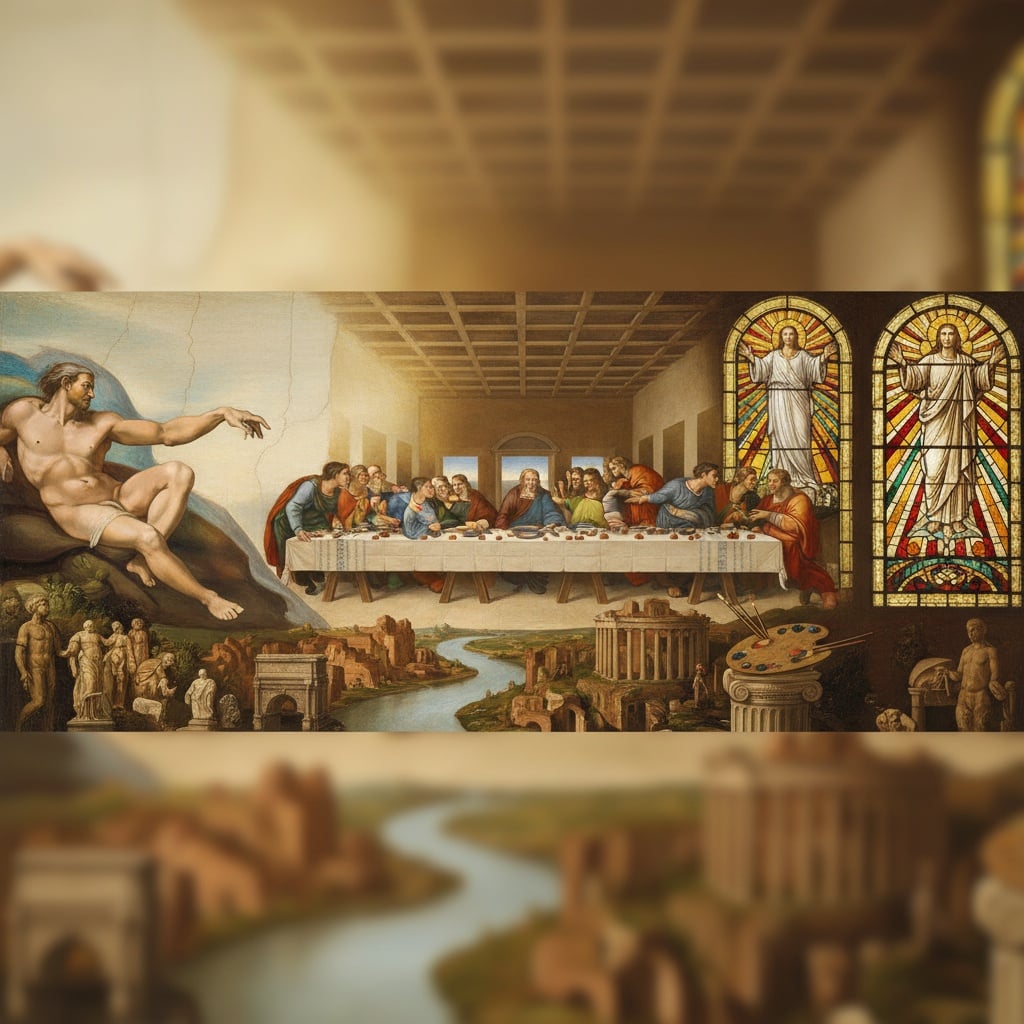
Obsah textu
The Genesis of Sacred Imagery: Early Christian Art & Its Roots
Before the grand frescoes of the Renaissance, before the meticulous detail of Northern masters, lay a period of quiet emergence – the birth of Christian art. Initially, visual representation was fraught with complexity. The Second Commandment’s prohibition against graven images presented a challenge to early believers seeking ways to express their faith visually. This led to a reliance on symbolism—abstract motifs like the fish (ichthys), representing Christ, and the lamb, signifying sacrifice, became potent shorthand for complex theological concepts. These weren't merely decorative elements; they were coded messages within a potentially hostile world, shared amongst initiates. The catacombs of Rome offer a poignant glimpse into this era, their walls adorned with these early symbols alongside scenes from the Old Testament, often interpreted as prefigurations of Christ’s life and mission. The focus wasn't on literal depiction but on conveying spiritual truths through allegory. As Christianity gained acceptance under Constantine, art began to move from the shadows into public spaces, evolving from simple symbolism towards more narrative forms.
Giotto’s Revolutionary Realism: Depicting Christ's Life with Emotion
 The Crucifixion
Giotto Di Bondone’s ‘The Crucifixion,’ a pivotal Proto-Renaissance masterpiece, showcases innovative realism & emotional depth. Explore its composition & legacy – a cornerstone of Western art history.
The Proto-Renaissance witnessed a seismic shift in artistic approach, largely thanks to Giotto di Bondone. Prior to Giotto, Byzantine art dominated, characterized by stylized figures and flattened perspectives—a deliberate attempt to convey the otherworldly nature of divine subjects. Giotto, however, sought something different: he aimed for realism, imbuing his figures with weight, volume, and, crucially, emotion. His frescoes in the Scrovegni Chapel in Padua are a testament to this revolution. Consider Saint Stephen, a work that transcends mere representation; it’s a study in human suffering, conveying both physical pain and spiritual fortitude. The composition itself is groundbreaking—figures occupy a believable space, their interactions feel natural, and the use of chiaroscuro (the interplay of light and shadow) adds depth and drama. Equally impactful is The Crucifixion, where Giotto doesn’t shy away from depicting the brutality of Christ's death, yet simultaneously emphasizes his dignity and sacrifice. This wasn’t simply about illustrating biblical stories; it was about making them relatable, fostering a deeper connection between the viewer and the divine narrative.
Renaissance Humanism and the Reinterpretation of Biblical Narratives
 The Enduring Legacy of Renaissance Art: Innovation, Humanism & Mastery
Explore the enduring legacy of Renaissance art! Discover its historical context, humanist ideals, iconic masterpieces, and lasting influence on Western art with .
The Renaissance, fueled by a renewed interest in classical learning, brought with it a shift in perspective. Humanism placed emphasis on human potential and achievement, influencing how biblical stories were approached. Artists began to study anatomy, perspective, and proportion with unprecedented rigor, striving for greater accuracy and naturalism. However, this wasn’t simply about technical skill; it was intertwined with theological considerations. The focus shifted towards portraying Christ as a fully human figure—capable of experiencing joy, sorrow, and doubt—while simultaneously affirming his divine nature. This led to reinterpretations of familiar scenes, emphasizing the emotional and psychological states of the characters involved. Artists like Raphael, in works such as The Transfiguration (detail), demonstrate this balance – a masterful depiction of both the physical miracle and the awe-struck reactions of the apostles. The Renaissance wasn’t about abandoning religious themes; it was about enriching them with a deeper understanding of human experience.
Symbolism in Detail: Unveiling Hidden Meanings in Renaissance Paintings
 master of ab monogram
Discover the exquisite religious paintings of the Master of AB Monogram! 16th-century German artist known for detailed biblical scenes & masterful technique. Explore iconic works.
While Renaissance artists embraced realism, they didn't abandon symbolism entirely—it simply became more nuanced and integrated into the overall composition. Every element within a painting could carry multiple layers of meaning, requiring a degree of visual literacy from the viewer. For example, lilies often represented purity (associated with the Virgin Mary), while red signified Christ’s sacrifice. The choice of landscape wasn't arbitrary either; specific plants or animals might allude to particular biblical passages or theological concepts. The Master of AB Monogram, a 16th-century German artist, exemplifies this meticulous attention to detail and symbolic richness in his religious paintings. His works are filled with hidden meanings, rewarding careful observation. Understanding these symbols isn’t about deciphering a secret code; it's about appreciating the depth of thought and artistry that went into creating these masterpieces—a visual language designed to engage both the intellect and the spirit.
Beyond Italy: Northern Masters & Their Unique Visions of Faith
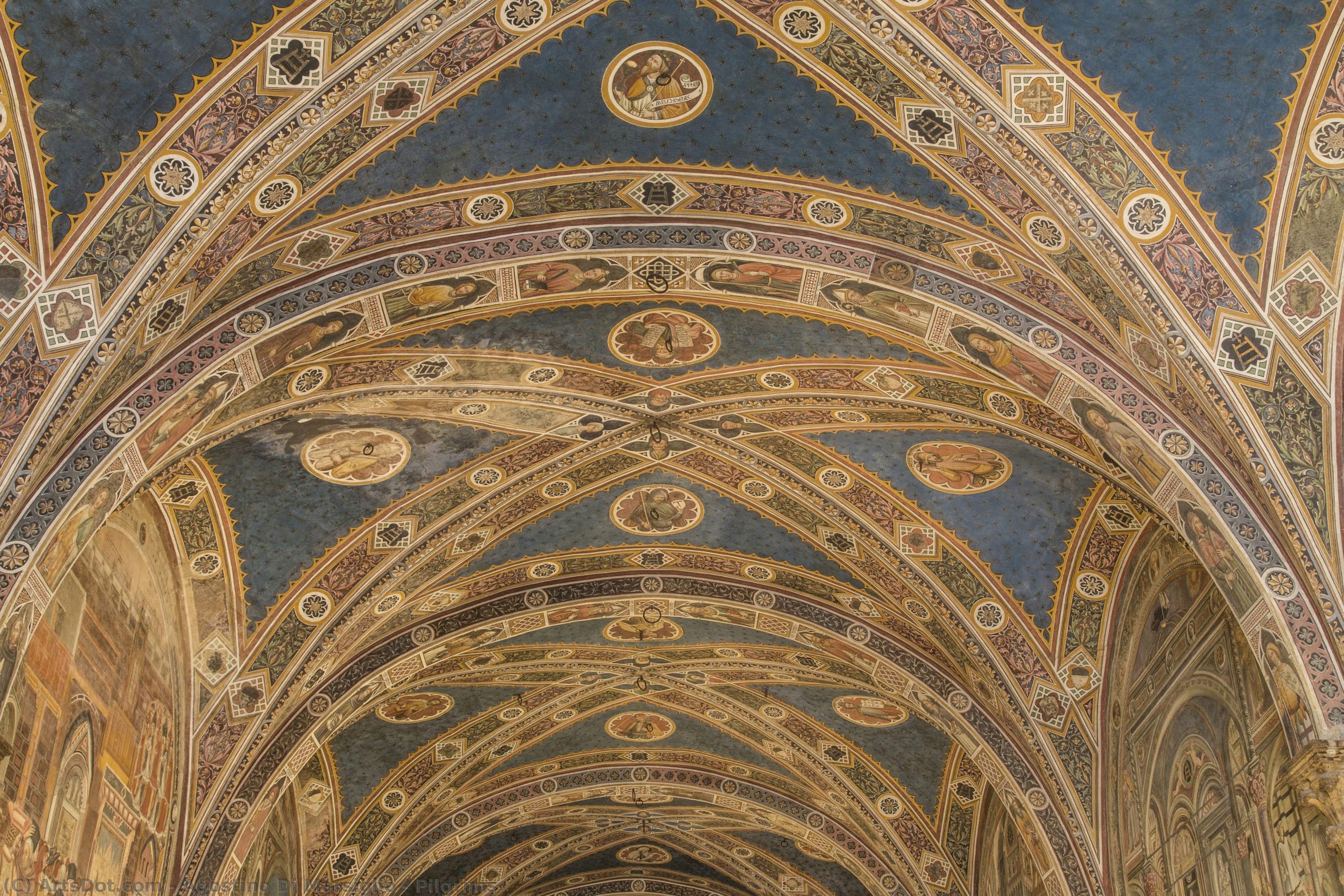 agostino di marsiglio
Agostino di Marsiglio (1439-present) was a Bolognese painter known for his frescoes at Siena's Baptistery, depicting saints & biblical figures. Explore his religious art!
The Renaissance wasn’t confined to Italy. In the North, artists like Agostino di Marsiglio and the Master of the Aix Annunciation developed their own distinct styles, often characterized by a heightened level of realism and attention to detail. Northern masters frequently focused on everyday life, incorporating realistic depictions of interiors and landscapes into their religious scenes. The Master of the Aix Annunciation, for instance, is renowned for his serene biblical scenes, particularly his *Annunciations*, which are notable for their intricate detail and tranquil atmosphere. These artists weren’t necessarily concerned with classical ideals; instead, they prioritized conveying a sense of piety and devotion through meticulous observation and skillful technique. Their works offer a different perspective on the same themes—a testament to the diversity of artistic expression within the broader Renaissance context.
The Lasting Influence: How Biblical Art Continues to Inspire Today
The legacy of biblical art extends far beyond the confines of museums and galleries. These images have shaped our collective imagination, influencing literature, music, and even popular culture. The stories they depict—the birth of Christ, his crucifixion, his resurrection—continue to resonate with audiences worldwide, regardless of their religious beliefs. The Enduring Legacy of Renaissance Art demonstrates how the humanist ideals and innovative techniques of this period continue to inspire artists today. Moreover, the study of biblical art offers valuable insights into the history of Western civilization, revealing the cultural, social, and theological forces that shaped our world. At ArtsDot.com, we are committed to making these masterpieces accessible to everyone, offering high-quality reproductions that allow you to experience the beauty and power of biblical art in your own home. Whether you’re a seasoned collector or simply beginning your artistic journey, we invite you to explore our collection and discover the enduring legacy of faith and artistry.
Související články

Sacred Narratives on Canvas: Exploring Biblical Art Across Centuries
Explore the rich history of biblical art from Giotto to the Renaissance masters. Discover symbolism, techniques & enduring legacies with ArtsDot – your source for museum-quality reproductions and expert art insights.


Giotto di Bondone: Top 25 mistrovských děl renesance pro váš domov | ArtsDot.com
Objevte 25 ikonických děl Giotta di Bondone – průkopníka renesance! Prozkoumejte fresky, náboženské obrazy a mistrovská díla plná emocí. Najděte umělecké reprodukce pro váš interiér na ArtsDot.com.

