

- 163.0 x 104.0 cm


Obraz odpovídá vašim volbám: , .
Popis sbírného předmětu
 Zobrazit více
Biografie umělce
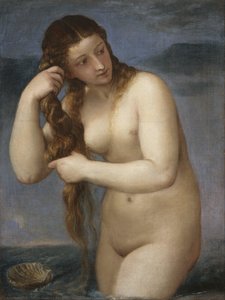
Styl Vysoké renesance definuje Venus Anadyomene. Objevte dnes nádhernou krásu jeho klasických děl.
Ručně malovaná olejová reprodukce
Rukou malované olejné plátno v libovolném rozměru i s rámem, vyrobené našimi umělci na zakázku. ( Přepnout na tisk Přepnout na digitální obraz)
Více informací o tomto obrazu
 Náhled v interiéru
 Sdílet
 Sdílet
 Podrobnosti o díle
 Průvodce

 Stáhnout
 Podobné položky
 Rentgenové snímky
 Slideshow
 Otázky a odpovědi
 Statistiky
Objednejte si svůj obraz ve čtyřech jednoduchých krocích
Nespěchejte. Každou odpověď můžete změnit; cena v košíku se bude přizpůsobovat každé vaší volbě.
1 První krok ze čtyř
Jakou velikost si přejete?
Tyto velikosti zachovávají proporce původního obrazu. Návrh ukazuje vaši volbu na stěně nad dvumetrovou pohovkou.
nebo zadejte vlastní rozměry
Vyberte si z našich přednastavených velikostí, které odpovídají původním proporcím díla.

Zadejte šířku a výšku, které potřebujete pro váš rám nebo stěnu. Protože se jedná o ruční malbu, při výběru jiného formátu může umělec kolem obrazu domalovat o něco více, nebo jej mírně oříznout — rozhodnete si vy. Před zahájením malby vám zašleme digitální náhled ke schválení. Obraz zobrazený na této stránce neodpovídá skutečnému výsledku — pouze digitální náhled jej zobrazuje.
2 Druhý krok ze čtyř
Jak by mělo být připraveno: srolované, na plátno natažené nebo v rámu?
Ceny níže platí pro rozměr, který jste si zvolili v prvním kroku.
Vyberte si okraje plátna
Vyberte si rámeček

Bílé okraje Kč1

Rozostřené okraje Kč1

Prodloužené okraje Kč1

P118B Kč10

P118H Kč10

P118W Kč10

P438Z Kč10

P508JH Kč12

P508YH Kč12

P805H Kč10

P805Z Kč10

P919BZ Kč10

P919G Kč10

P919XJ Kč10

P959ZH Kč10

P968JZ Kč12

W106C Kč8

W218G Kč10

W218JH Kč8

W218Y Kč10

W307PJ Kč10

W316G Kč10

W316PJ Kč8

W316Y Kč10

W398PJ Kč8

W4111J Kč10

W500HY Kč15

W500JH Kč15

W692G Kč12

W849H Kč8

W940BG Kč15

W953PJ Kč8

H24-GOLD Kč30

H24-SILVER Kč30

H36-GOLD Kč45

H36-SILVER Kč45
V rámu
Profil: . Celkové rozměry včetně rámu: .
3 Třetí krok ze čtyř
Přejete si v malbě něco změnit?
Většina lidí odpoví ne. Protože každý obraz je vytvořen ručně, náš umělec jej pro vás může také upravit.
Po přijetí objednávky vám tým ArtsDot.com pošle e-mail s instrukcemi a poskytne náhled návrhu
4 Čtvrtý krok ze čtyř
Několik možností provedení
Všechny jsou volitelné. Již zvolené odpovědi nesepisují žádné dodatečné náklady.
Kdo je autor?
Celosvětová doprava () za 3–4 týdny namísto standardních 5 týdnů. (11 listopad). Bez kompromisů v kvalitě.
Štítek jako v muzeu?
Detaily ryté bronzové plakety
This elegant plaque features the artist's name and the title of the artwork, finely engraved for a timeless presentation.
It is made from bronze with a refined, elegant finish. The text is precisely laser-engraved for a sharp and permanent result. Measuring 9x2 cm, the plaque is compact yet easy to read. It's built to be durable and scratch-resistant, offering a professional, museum-quality look. Mounting is simple thanks to the included adhesive backing.
Detaily průhledné akrylové desky
The plaque includes essential engraved details such as the artist's name, the title of the artwork, the date it was created, the type of media used-like oil on canvas or watercolor-a brief description of the piece, and a QR code that links to the complete artwork information.
It is crafted from clear acrylic, offering a sleek, modern appearance. The text is UV-engraved in black to ensure strong visual contrast. With a size of 10x15 cm, it ensures optimal readability. It comes equipped with two metal hooks for secure wall mounting. The plaque is designed to be weather-resistant, making it suitable for various environments, and it includes interactive features that work seamlessly with smartphone scanning.
Detaily černé akrylové destičky
This elegant plaque includes engraved information such as the artist's name, the title of the artwork, the date it was created, the type of media used (like oil on canvas or watercolor), a short description of the artwork, and a QR code for quick access to more information.
The plaque itself is made from refined black acrylic with a premium finish. The text is laser-engraved in white for high contrast and readability. Its size is 10x15 cm, designed to be easy to read. It comes with two metal hooks for professional mounting. The design is sleek and fits any interior style. It is also weather-resistant and durable, with built-in digital integration for mobile compatibility.
Ochranný lak?
Kdy jej potřebujete?
✓ Kontrola a objednávka
Váš obraz přesně podle objednávky

The Resurrection
Technika reprodukce
Rozměry reprodukce
-

Vybraní mistři umění
Vyšší míra detailu, jemnosti a delší doba výroby
-

Možnosti rámování reprodukcí
-
-
U děl nebo reprodukcí, u nichž je jakákoliv strana větší než 105 cm (přibližně 41 palců), bude rám dodán jako sestava v rozloženém stavu. Tato metoda zajišťuje bezpečné doručení a chrání dílo před poškozením během přepravy.
Vyžaduje se odborná montáž – nejedná se o produkt pro svépomocnou realizaci (DIY).
Sestava musí být složena a plátno napnuto zkušeným profesionálním rámovačem s použitím dřevěného lepidla (není součástí balení), kleští na napínání plátna a svorek pro udržení pravých úhlů křížů během schnutí lepidla. Nesprávná montáž nebo nerovnoměrné napnutí plátna může způsobit trvalé poškození uměleckého díla, které není kryto naší zárukou.
 U děl nebo reprodukcí, u nichž je jakákoliv strana větší než 105 cm (přibližně 41 palců), bude rám dodán jako sestava v rozloženém stavu. Tato metoda zajišťuje bezpečné doručení a chrání dílo před poškozením během přepravy.
Jsou zahrnuty všechny lišty z masivního dřeva, přesně na míru nařezané.
Sestavuje se pomocí součástí balení (šroubů), plus dřevěného lepidla na rohové spoje, které není součástí balení a musí jej zajistit váš rámovač.
Vyžaduje se profesionální nářadí, které není součástí sady: kleště na napínání plátna a svorky pro udržení kolmosti příček během schnutí lepidla.
Důležité:
Spoje v rozích vyžadují lepidlo na dřevo, tyčinky musí být přichyceny pomocí svorek, dokud lepidlo zcela neuschne, a pro napnutí plátna na sestavený rám je zapotřebí kleští na natahování plátna. Žádný z těchto náčiní není součástí sady. Před objednáním této velikosti prosím zajistěte zkušeného profesionálního rámovače.

Popisek díla
-
-

Ochranný lak
Lesklý lak (zvýrazňuje barvy, chrání před světlem a vlhkostí)
-

Přizpůsobit své umělecké dílo
Příklady možných úprav: nahrazení obličeje fotografií zákazníka; přidání domácího mazlíčka (např. výměna kočky za psa); vložení skrytého vzkazu do pozadí; změna krajiny nebo prvků v pozadí.
-

Prioritní doručení
Celosvětové doručení () za 3–4 týdny namísto standardních 5 týdnů. (11 listopad). Bez kompromisů v kvalitě.
-
Expresní doručení
Celosvětová doprava () do 5 týdnů. (18 listopad).
V ceně
Celková cena za vybrané možnosti reprodukcí
Kč 5741
Skleněná varianta je dostupná pouze u rozměrů menších než 110 cm
Součást každé objednávky
- Zdarma celosvětová expresní doprava
- Vysoce kvalitní lněné plátno
- Kompletní pojištění přepravy
- Záruka vrácení celního poplatku
- Záruka věrného barevného souladu
- 100dení lhůta pro vrácení zboží (pouze při vadách výroby)
- 100% záruka vrácení peněz
- Sleva při více objednávkách


A Renaissance Echo in American Canvas: Examining Titian Ramsay Peale II’s “The Resurrection”
Titian Ramsay Peale II stands as a singular figure within the burgeoning artistic landscape of 19th-century America—a descendant of Charles Willson Peale, whose monumental portraits cemented his place as one of the nation's earliest artistic luminaries. Yet, unlike many contemporaries preoccupied with Romantic fervor and Impressionistic experimentation, Peale steadfastly honored the traditions of the High Renaissance, specifically those originating in Venice. This dedication wasn’t merely stylistic adherence; it represented a profound internalization of classical ideals, translating into canvases characterized by meticulous detail and a palette bursting with vibrant hues—a deliberate divergence from prevailing trends that speaks volumes about Peale's artistic conviction. His life unfolded during a period of dramatic societal transformation as America wrestled with its identity, but his creative spirit remained firmly rooted in the legacy of masters like Michelangelo and Raphael, resulting in an artwork imbued with both reverence for tradition and a distinctive American sensibility.Subject Matter and Narrative Composition
“The Resurrection,” completed in 1544, depicts a pivotal biblical scene: Jesus Christ ascending into heaven accompanied by angelic figures. The central image of Jesus dominates the composition, positioned prominently with outstretched arms—a gesture universally recognized as embodying divine ascension. Surrounding him are several supporting characters – angels on either side and others observing the miraculous event – each contributing to the dynamic narrative unfolding before the viewer’s eyes. This careful arrangement isn't accidental; it reflects Renaissance artistic conventions prioritizing clarity of form and conveying spiritual grandeur. The artist skillfully utilizes perspective to create depth, drawing the eye upwards towards the celestial realm and emphasizing the momentousness of Christ’s triumph over death.Style and Technique: Venetian Influence
Peale II's approach to painting is undeniably informed by Venetian artistic principles prevalent during his time. Like Titian himself—whose influence extended across generations—Peale employed oil paint on canvas, utilizing glazing techniques to achieve luminous colors and subtle tonal variations. The meticulous layering of pigments creates an illusionistic surface that captures the ethereal quality of the heavenly light illuminating Jesus and the angels. Detailed observation of anatomy and drapery demonstrates a commitment to realism, tempered by idealized proportions characteristic of Renaissance portraiture. This technique ensures that every brushstroke contributes to conveying not only visual accuracy but also emotional resonance—a hallmark of Venetian painting’s enduring power.Symbolism: Ascension and Divine Glory
The symbolism embedded within “The Resurrection” speaks directly to the core tenets of Christian faith. The ascension itself represents Christ's victory over mortality and his ascent to eternal life, a central dogma of Orthodox Christianity. Angels serve as messengers of God’s grace and heralds of divine salvation, symbolizing purity and spiritual illumination. The radiant light emanating from heaven underscores God’s majesty and benevolence—a visual metaphor for divine presence and transformative power. Peale II's masterful depiction captures these symbolic elements with precision, inviting contemplation on themes of faith, hope, and redemption.Emotional Impact: Reverence and Inspiration
Ultimately, “The Resurrection” transcends mere representation; it aspires to evoke profound emotion within the viewer. The painting’s luminous colors and dynamic composition instill a sense of awe and reverence—capturing the sublime beauty of divine majesty. Peale II's meticulous attention to detail ensures that every element contributes to conveying spiritual depth, prompting reflection on humanity’s relationship with God and the promise of eternal salvation. Reproductions of this artwork offer an opportunity to experience firsthand the enduring legacy of Renaissance artistic genius and its capacity to inspire contemplation and wonder.Otázky a odpovědi
Kdo je autorem díla "The Resurrection" a z jakého roku pochází?
Dílo "The Resurrection" vytvořil/a Titian Ramsay Peale Ii v roce 1544.
Mohu si "The Resurrection" prohlédnout podrobněji?
X-ray pohled na dílo „The Resurrection“ od Titian Ramsay Peale Ii naleznete na stránce Rentgenové snímky: jde o interaktivní prohlídku obrazu skrze jedenáct optických vrstev.
Jaký emocionální tón doprovází styl Renaissance Revival u díla „The Resurrection“?
Powerful emoce díla „The Resurrection“ je doprovázena jeho stylem, který patří k Renaissance Revival.
Podobná díla




Titian Ramsay Peale Ii
1799 - 1885, USA
Biografie umělce
Život Titiana Ramsay Pealea II
Titian Ramsay Peale II obsazoval ve americké krajině specifický, funkční prostor, kde se pohyboval na průsečíku vědecké dokumentace a klasického umění. Narodil se 17. listopadu 1799 ve Philosophical Hall ve Philadelphii v Pensylvánii jako nejmladší syn Charlese Willsona Pealea a Elizabeth DePeyser. Jeho život byl definován neochotou usadit se v jedné jediné disciplíně; byl americkým umělcem, přírodovědcem, průzkumníkem i vědeckým ilustratorem, který neustále přecházel mezi precizními nároky terénního výzkumu a strukturovanými požadavky ateliérové malby.
Jeho kariéra nebyla pouhou snahou o estetiku, ale praktickým využitím schopnosti pozorování. Velkohm část svého života věnoval dokumentování fyzického světa, což byla úloha vyžadující od něj být stejně technickým odborníkem jako malířem. Tato dvojí identita mu umožnila pohybovat se v rozmanitých prostředích, od kontrolovaných prostorů muzeí až po nepředvídatelnou krajinu expedic. Zemřel ve Philadelphii v Pensylvánii 13. března 1885 a zanechal po sobě dílo, které kladlo důraz na strukturální realitu svých námětů spíše než na stylistickou abstraktnost.
Raný život, rodina a vzdělání
Abychom skutečně porozuměli postavě, kterou byl Titian Ramsay Peale Ii, musíme se podívat na váhu, kterou nesl rodinné jméno Peale. Narodil se v rámci dynastie, která sloužila jako hlavní motor amerického uměleckého i vědeckého života. Jako syn Charlese Willsona Pealea, klíčové postavy raného amerického portrétního malířství, byl formován prostředím, kde se neodděluje krásné umění od přírodních věd. Jeho dětství nebylo tiché; vyrůstal v obklopení rozsáhlé, úzce propojené rodiny umělců a intelektuálů, mezi které patřili i jeho bratři Raphaelle, Rembrandt, Rubens a Franklin Peale. Jeho rodokmen byl komplexní a zahrnoval i nevlastní sourozence, jako byla Sophonisba Angusciola Peale či Titian Ramsay Peale I, podle kterého byl náš umělec pojmenován.
Vzdělání, které získal, bylo praktické i nesmírně přísné. Nebyl pouze studentem estetiky, ale aktivním účastníkem rodinného podniku zaměřeného na pozorování světa. Jeho sourozenci, včetně Jamese, Anny Claypoole a Margaretty Peale, byli všichni součástí tohoto intenzivního tvůrčího prostředí. Tato rodinná struktura znamenala, že jeho vzdělávání bylo neoddělitelné od práce jeho otce i bratrů. Naučil se vidět skrze čočku portrétisty i skrze oči naturalisty. Toto dvojité vzdělání mu poskytlo technický základ pro kariéru, která v budoucnu dokáže překlenout propast mezi vědeckou dokumentací a klasickým malířstvím.
Vědecké expedice a naturalistická dráha
Pealeova kariéra byla definována neochvějným závazkem k empirickému pozorování, který mnoha jeho současníkovům chyběl. Přírodu nesledoval pouze z bezpečné vzdálenosti; byl aktivním účastníkem klíčových vědeckých průzkumů raného devatenáctého století. Jeho cestování v terénu začalo brzy, například během expedice do Floridy a Georgie v letech 1817–1818 společně s Georgem Ordem, Williamem Maclurem a Thomasem Sayem. Tato raná imerze do divočiny vytvořila vzorec důsledné a precizní dokumentace. Mezi lety 1819 a 1820 pak doprovázel Stephen Harriman Long expedici do Skalistých hor a na Velké pláně. Právě tyto roky strávené v terénu mu poskytly anatomickou a botanickou přesnost, která později posloužila jako pevný základ pro jeho formálnější umělecká díla.
Jeho profesní postavení ve vědecké komunitě bylo potvrzeno volbou do American Philosophical Society v roce 1833. Toto uznání se shodovalo s jeho nejvýznamnějším institucionálním přínosem: rolí v rámci United States Exploring Expedition v letech 1838–1842. Jako hlavní přírodovědec této expedice vystoupil Peale Ramsay Peale Ii nejen jako ilustrátor, ale jako aktivní vědecký vůdce. Schopnost překlenout propast mezi detailními nároky naturalisty a technickou zručností kreslíře z něj učinila nepostradatelný pilíř těchto rozsáhlých námořních i pozemních průzkumů.
I když se jeho pozornost později přesunula k jiným profesním povinnostem, jeho vztah k systematickému zaznamenávání informací zůstal neměnný. Po dlouhá léta udržoval stabilní přítomnost v rámci federální byrokracie, kdy pracoval v United States Patent Office až do roku 1873. Tento dlouhý rezidensní období odráží kariéru postavenou na disciplinovaném uplatňování pozorování, ať už se týkalo vzorku v divočině, nebo technického detailu v úřední kanceláři.
Technika a umělecký styl
Tvůrčí dílo Titiana Ramsay Pealea Ii se pohybuje v napjatém dialogu mezi pozorovatelským okem naturalisty a stylistickými ambicemi benátského kolorismu. Nespokojil se pouhou plochou, utilitární dokumentací, která byla v 19. století pro vědeckou ilustraci typická. Místo toho usiloval o luminózní kvalitu, která by odrážela tradice starého světa. K tomuto cíli dospíval prostřednictvím kontrolovaného použití olejových barev, které nanášel v precizních vrstvách, čímž budoval hloubku jak fyzickou, tak vizuální. Často využíval techniku sfumato k zjemnění obrysů, což mu umožnilo překlenout propast mezi anatomickou přesností a atmosférickou elegancí.
Jeho technický repertoár byl překvapivě široký, což odráželo všestrannost, která mu dovolovala pohybovat se mezi tím mikroskopickým a monumentálním. Ovládal několik médií: od akvarelu a grafitu pro své vědecké pozorování, přes olej na plátně pro náboženská a mytologická témata, až po litografii a inkoust pro své ilustrace. I v pozdějších letech se jako amatér zajímal o tehdy vznikající médium fotografie. Tato technická šíře zaručila, že jeho náměty – ať už šlo o botanický vzorek nebo klasickou figuru – si pod svou estetickou dokonalostí zachovaly pocit strukturální reality.
- The Holy Family with a Shepherd (cca 1510)
- Venus Anadyomene (cca 1520)
Klíčová díla a témata
Pealeova tvorba odhaluje fascinující napětí mezi tím biologickým a tím božským. Jeho náboženská témata, jako jsou Svatý Augustin, Svatý Grigoros Veliký a Svatá rodina s pastýřem, vytvořená kolem roku 1510, demonstrují hluboké oddání klasické formě. Tato díla se spoléhají na strukturalní jasnost spíše než na pouhý sentiment. Podobnou pečlivost však věnoval i svým mytologickým motivům, zejména postavě Venuše Anadyomene, kterou vytvořil kolem roku 1520. Preciznost jeho pozorování je patrná v tom, jak mistrně pracuje s draperiemi a anatomickou přítomností těchto postav. V průběhu celé své kariéry si pak udržel tento soustředěný pohled na náboženskou ikonografii, což dokazují i jeho neoznačená díla zobrazující Svatého Marka a Svatého Matouše.
Naturalista v Pealeovi nebyl nikdy jen vedlejším zájmem; byl to jeho primární způsob vidění světa. Jeho schopnost plynule přecházet od teologického k ornitologickému je zobrazena v díle Five Bobwhites at the Delaware Water Gap, namalovaném kolem roku 1868. Toto dílo vyžaduje stejnou technickou preciznost jako jeho velká plátna, ale aplikuje ji na specifické textury divoké zvěře. I jeho sociální nebo pozorovatelské scény, jako je dílo Entertaining the Favorites z roku 1830, odrážejí kontrolovanou aplikaci pigmentu, která se vyhýbá povrchnosti. Titian Ramsay Peale Ii nemaloval pro pouhou dekoraci; on maloval, aby zdokumentoval skutečnou váhu a podstatu svého tématu.
- Svatý Mark, bez data
- Svatý Matouš, bez data
Kde dnes spatřit jeho díla
Přítomnost, kterou Titian Ramsay Peale Ii zanechal v nejvýznamnějších mezinárodních sbírkách, potvrzuje, že jeho umění překročilo hranice americké pustiny a zasáhlo mnohem širší světy. Jeho náboženská a mytologická témata jsou rozprostřena mezi nejvýznamnější instituce Evropy. V Londýně uchovává jeho tvorbu National Gallery, zatímco Museo del Prado v Madridu a Museo di Capodimonte v Neapoli disponují významnými sbírkami jeho děl. Tyto sbírky jsou jasným důkazem, že jeho technický přístup k práci se světlem a formou rezonoval s tehdejšími evropskými standardy umění.
Dosah jeho díla se sahá až do střední a jižní Evropy. V Rakousku jej zastihne Kunsthistorisches Museum ve Vídni a ve Benátkách pak Santa Maria della Salute. V Nizozemsku si jeho odkaz chrání Mauritshuis v Haagu, spolu se Scottish National Gallery of Modern Art v Edinburghu, která pohospodářuje jeho dílo Venus Anadyomene. Právě tyto lokace poskytují nezbytný kontext k tomu, abychom pochopili, jak mistrsky dokázal aplikovat benátský kolorismus na klasická témata.
Mezi jeho významná díla patří:
- Entertaining the Favorites (1830)
- Five Bobwhites at the Delaware Water Gap (1868)
- The Holy Family with a Shepherd (cca 1510)


Související články

Titian: Innovation, Technique & the Venetian Renaissance Portrait Tradition
Explore the revolutionary techniques & enduring legacy of Titian, the master of Venetian Renaissance portraiture. Discover insights for collectors & appreciate his impact on art history.

Allen Ramsay: Portraiture, Patronage & Shaping Georgian Identity
Explore the life & work of Allen Ramsay, pivotal portraitist to George III. Discover his Rococo style, influence on Georgian society, and lasting legacy in British art history. Learn about his key works & patronage.

Charles Willson Peale: Portraiture, Enlightenment Ideals & Shaping American Identity
Explore the life & art of Charles Willson Peale – Revolutionary portraitist, scientist, and founder of America’s first museum. Discover his iconic paintings of Washington & the Enlightenment ideals that shaped a nation.