

 Náhled
 Sdílet
 Sdílet
 Podrobnosti o díle

 Stáhnout
 Podobné položky
 Rentgenové snímky
 Slideshow
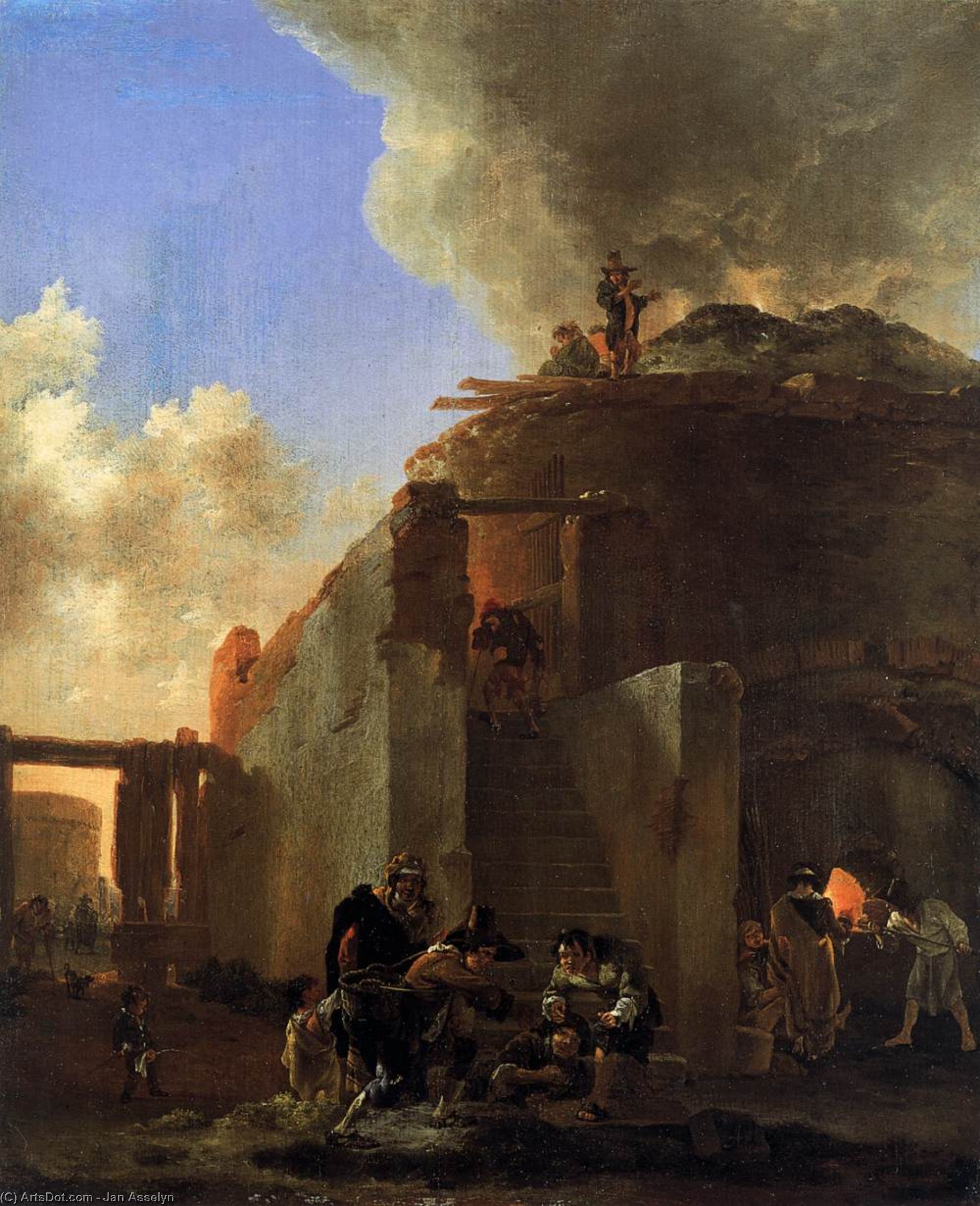
Beggars před Římskou limekilnou
 Olej na plátně
- Obrazová tvorba na stěnu
- Dutch Golden Age
 1638
1638 38.0 x 33.0 cm
 Akademie výtvarních umění Praha
 Zobrazit více
Ručně malovaná olejová reprodukce
Ručně malovaná olejná barva na plátně ve vašem zvoleném rozměru i s rámem, vyrobená našimi umělci na zakázku. ( Přepnout na tisk Přepnout na obrázek)




P118B $10

P118H $10

P118W $10

P438Z $10

P508JH $12

P508YH $12

P805H $10

P805Z $10

P919BZ $10

P919G $10

P919XJ $10

P959ZH $10

P968JZ $12

W106C $8

W218G $10

W218JH $8

W218Y $10

W307PJ $10

W316G $10

W316PJ $8

W316Y $10

W398PJ $8

W4111J $10

W500HY $15

W500JH $15

W692G $12

W849H $8

W940BG $15

W953PJ $8




Vyberte si z našich přednastavených velikostí, které odpovídají původním proporcím díla.

Můžete zadat vlastní rozměry pro konkrétní rám nebo prostor. Pokud se vámi vybraná velikost neshoduje s proporcemi původního obrazu, dílo buď ořízneme, nebo jej doplníme ručně malovanými prvky. Před zahájením výroby vám bude zaslán digitální náhled ke schválení.
Upozorňujeme, že náhled na obrazovce neodpovídá skutečnému ořezu ani rozšíření. Pouze digitální náhled přesně zobrazí finální kompozici.
Ačkoliv je možné zvolit vlastní velikost, pro zachování původních proporcí doporučujeme vybrat rozměr z předdefinovaného seznamu.
Po přijetí objednávky vám tým ArtsDot.com zašle e-mail s pokyny a poskytne náhledovou verzi.
Celosvětová doprava () za 3–4 týdny namísto standardních 5 týdnů. (9 srpen). Bez kompromisů v kvalitě.

Zdarma celosvětová expresní doprava

Vysoce kvalitní lněné plátno

Kompletní přepravní pojištění

Záruka vrácení celního poplatku

Záruka přesného barevného shodu

60denní lhůta pro vrácení zboží (pouze při vadách výroby)

100% garance vrácení peněz

Sleva při hromadné objednávce
 Skleněná varianta je dostupná pouze u rozměrů menších než 110 cm

Beggars před Římskou limekilnou
Technika reprodukce
Rozměry reprodukce
-


Celková cena za výběr
$ 263
Popis díla
Jan Asselijn: A Landscape Soul Captured in Detail
Jan Asselijn (1610-1652) stands as a pivotal figure within the Dutch Golden Age, an artist whose oeuvre embodies the spirit of his era – a fascination with observation and a profound connection to the natural world. Unlike many contemporaries preoccupied with grand narratives or heroic portraits, Asselijn dedicated himself to portraying landscapes imbued with atmospheric depth and animal life with remarkable sensitivity. His artistic journey began under the tutelage of Jan Martszen the Younger, mastering the art of battle scenes before discovering his true passion: capturing the sublime beauty of Dutch skies and expansive vistas.
The Roman Limekiln Scene – A Window into Elizabethan Life
“Beggars in Front of a Roman Limekiln,” painted circa 1638-1640, exemplifies Asselijn’s distinctive style. This captivating artwork transports viewers back to Elizabethan England, depicting a bustling scene centered around the operation of a Roman lime kiln – a testament to the burgeoning industrial activity and economic prosperity of the time. The composition is meticulously crafted, featuring thirteen individuals engaged in labor alongside a horse and a dog, elements carefully positioned to convey both practicality and visual interest.
Technique & Material Considerations
Executed in oil on panel, Asselijn’s technique demonstrates remarkable attention to detail and textural nuance. He skillfully blended pigments to achieve luminous effects, capturing the diffused light characteristic of Dutch landscapes. The artist's masterful use of color – predominantly muted earth tones accented by subtle shades of grey – contributes significantly to the painting’s melancholic mood and evokes a sense of timelessness. The panel substrate itself was chosen for its durability and ability to hold pigment faithfully over extended periods.
Symbolism & Emotional Resonance
Beyond its realistic depiction of daily life, “Beggars in Front of a Roman Limekiln” carries symbolic weight. The presence of beggars underscores the social realities of Elizabethan England – poverty and hardship coexisting alongside economic advancement. Furthermore, the lime kiln represents not merely an industrial process but also embodies resilience and perseverance—themes central to Asselijn’s artistic vision. The painting's subdued palette and contemplative atmosphere invite viewers to contemplate the passage of time and the enduring beauty found in humble labor.
A Legacy of Atmospheric Landscape Painting
Jan Asselijn’s influence extends far beyond his own lifetime, establishing him as a cornerstone of Dutch landscape art. His unwavering commitment to capturing the essence of nature—its textures, colors, and moods—continues to inspire artists today. Reproductions of “Beggars in Front of a Roman Limekiln” offer an exceptional opportunity to experience firsthand the artistic brilliance of this remarkable painter and to appreciate the enduring power of atmospheric landscape painting.
Podobná umělecká díla


Biografie umělce
A Life Forged in Landscape: The World of Jan Asselijn
Jan Asselin, born around 1610 in Dieppe, France, embarked on an artistic journey marked by profound shifts in religious belief and a fervent dedication to capturing the splendor of the natural world. His family, Huguenots fleeing persecution, sought refuge in Amsterdam in 1621 – a vibrant metropolis brimming with commercial dynamism and burgeoning artistic innovation during the Dutch Golden Age. This relocation proved instrumental, immersing young Jean into an environment where landscape painting was undergoing a transformative metamorphosis, moving beyond traditional representations toward scenes imbued with palpable atmosphere and emotional resonance. Initially apprenticed to Jan Martszen the Younger, Asselijn honed his skills in battle paintings before discovering his true passion: portraying the breathtaking beauty and dramatic intensity of both landscapes and animal life. The distinctive Dutch light – expansive skies and subtle tonal variations – would become a cornerstone of his artistic style, profoundly shaped by his formative years.The Italianate Embrace & The Bentvueghels
Like many ambitious Northern European painters of his era, Asselijn recognized the importance of refinement in Italy, likely arriving sometime after 1635. He wholeheartedly embraced the *Italianate* aesthetic – a genre characterized by sun-drenched vistas, classical ruins, and pastoral landscapes brimming with romanticism. He joined the ranks of the *Bentvueghels*, a spirited society comprised of Dutch and Flemish artists residing in Rome. These “Birds of a Feather” defied convention, adopting outlandish nicknames and prioritizing direct observation – rejecting the constraints imposed by studio practice. Within this lively community, Asselijn earned the moniker "Krabbetje" (little crab) due to a physical disability affecting his hand—a detail that subtly acknowledged his personal challenge yet fueled his creative spirit. He absorbed inspiration from artists such as Pieter van Laer (Bamboccio), whose depictions of Roman peasant life and landscapes resonated deeply with Asselijn’s evolving vision. This period solidified his ability to convey mood, light, and narrative within his canvases—a skill that would define his artistic legacy.Mastering Light & Symbolism: Key Works
Upon returning to Amsterdam, Asselijn possessed a refined technique and a distinctive artistic voice. His paintings are distinguished by exceptional clarity of execution and masterful control over illumination – qualities that swiftly garnered admiration from contemporaries like Rembrandt, who even created etchings depicting Asselijn at work—a gesture perhaps sensitive to the artist’s physical impairment. While he produced historical and battle scenes, it was his landscapes and animal depictions that truly elevated him among his peers. The Threatened Swan, completed around 1640, stands as his most celebrated masterpiece. More than merely a visual representation of avian defense, this painting transcended its immediate subject matter to become a potent emblem of Dutch national resilience against external adversaries—a theme powerfully conveyed through the depiction of a swan fiercely protecting its eggs from encroaching dangers. The image resonated deeply with anxieties prevalent during Asselijn’s time and was interpreted as an allegory for Johan de Witt, a prominent Dutch statesman. Intriguingly, subsequent owners added symbolic inscriptions to the canvas – “Holland” on one of the eggs and “Enemy of the state” positioned beside the menacing dog—further cementing its political significance. Other noteworthy compositions include Cavalry Attack at Sunset, showcasing his initial training in battle painting with dramatic flair, and depictions of rural life like Drovers with Cattle Under an Arch of the Colosseum – a piece that seamlessly blends Italianate landscapes with meticulous animal studies. This artwork exemplifies Asselijn’s capacity to capture fleeting moments of grandeur and convey nuanced emotional depth.Influence & Legacy: A Lasting Impression
Jan Asselijn's influence extended far beyond his prolific output. He was revered by artists such as Rembrandt, who produced etchings documenting Asselijn’s artistic process—a gesture indicative of mutual respect for the artist’s physical condition. Furthermore, he served as a mentor to Frederik de Moucheron, another influential Dutch landscape painter who championed the Italianate style and disseminated its aesthetic principles throughout Europe. Asselijn's innovative approach to light and atmosphere profoundly impacted subsequent generations of painters—laying the groundwork for greater naturalism and emotional resonance in landscape art. His enduring works are housed in prestigious institutions like the Rijksmuseum in Amsterdam, ensuring his artistic legacy persists as a cornerstone of Dutch Golden Age artistry. He passed away peacefully in 1652, leaving behind an oeuvre that continues to captivate viewers with its beauty, dramatic intensity, and subtle layers of symbolic meaning—a testament to his enduring contribution to European art history.
Jan Asselijn
1610 - 1652 , Francie
Rychlé fakta
- Artistic Movement Or Style: Italská estetika
- Artists Or Movements Influenced By This Artist: ['Frederick de Moucheron']
- Artists Who Influenced This Artist:
- Esaias van de Velde
- Pieter van Laer
- Rembrandt
- Date Of Birth: 1610
- Date Of Death: 1652
- Full Name: Jan Asselin
- Nationality: Němec
- Notable Artworks:
- Ohrožený labutník
- Výprava do Říma
- Útok kavalerie při západu
- Place Of Birth: Dieppe, Francie
Související články

Top 10 mistrovských děl holandského baroka – obrazy a umělci | ArtsDot.cz
Objevte 10 ikonických děl holandského baroka! Prozkoumejte příběhy Rembrandta, Vermeera a dalších mistrů. Repliky obrazů nejvyšší kvality pro váš interiér na ArtsDot.cz – inspirace a umělecké reprodukce online.

Jan van Goyen: Master of Dutch Landscape & Atmospheric Perspective
Discover Jan van Goyen, the master of Dutch landscape painting. Explore his subtle technique, atmospheric realism & lasting influence on art history. Learn about this 17th-century pioneer at ArtsDot.
Cornelis van Poelenburch: Bridging Mannerism & the Dutch Baroque Landscape
Discover Cornelis van Poelenburch, a pivotal Dutch Baroque landscape painter bridging Mannerism & Italianate styles. Explore his life, key works, and lasting influence on 17th-century art with ArtsDot.

Golden Age Reflections: Dutch Baroque Painting & Cultural Innovation
Explore the Dutch Golden Age of painting! Discover key artists like Vermeer & ter Borch, their innovative techniques, and the rich cultural context behind these Baroque masterpieces. Learn about collecting & appreciating this iconic art period.

Top 10 krajin v umění: Mistrovská díla a inspirace pro váš domov
Objevte 10 nejúchvatnějších krajin v umění od Turnerů po Van Gogha! Ponořte se do příběhů mistrů a inspirujte se pro svůj interiér. Reprodukce obrazů nejvyšší kvality na ArtsDot.com – pro milovníky umění a dokonalý dekor.


