


 Náhled
 Sdílet
 Sdílet
 Podrobnosti o díle

 Stáhnout
 Podobné položky
 Rentgenové snímky
 Slideshow
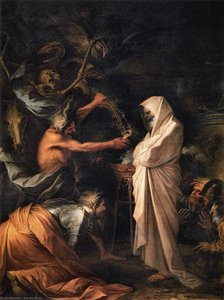
Pythagoras vyjíždějící z podzemí


 Zobrazit více
Ručně malovaná olejová reprodukce
Ručně malovaná olejná barva na plátně ve vašem zvoleném rozměru i s rámem, vyrobená našimi umělci na zakázku. ( Koupit tisk Koupit obrázek)




P118B $10

P118H $10

P118W $10

P438Z $10

P508JH $12

P508YH $12

P805H $10

P805Z $10

P919BZ $10

P919G $10

P919XJ $10

P959ZH $10

P968JZ $12

W106C $8

W218G $10

W218JH $8

W218Y $10

W307PJ $10

W316G $10

W316PJ $8

W316Y $10

W398PJ $8

W4111J $10

W500HY $15

W500JH $15

W692G $12

W849H $8

W940BG $15

W953PJ $8




Vyberte si z našich přednastavených velikostí, které odpovídají původním proporcím díla.

Můžete zadat vlastní rozměry pro konkrétní rám nebo prostor. Pokud se vámi vybraná velikost neshoduje s proporcemi původního obrazu, dílo buď ořízneme, nebo jej doplníme ručně malovanými prvky. Před zahájením výroby vám bude zaslán digitální náhled ke schválení.
Upozorňujeme, že náhled na obrazovce neodpovídá skutečnému ořezu ani rozšíření. Pouze digitální náhled přesně zobrazí finální kompozici.
Ačkoliv je možné zvolit vlastní velikost, pro zachování původních proporcí doporučujeme vybrat rozměr z předdefinovaného seznamu.
Po přijetí objednávky vám tým ArtsDot.com zašle e-mail s pokyny a poskytne náhledovou verzi.
Celosvětová doprava () za 3–4 týdny namísto standardních 5 týdnů. (18 srpen). Bez kompromisů v kvalitě.

Zdarma celosvětová expresní doprava

Vysoce kvalitní lněné plátno

Kompletní přepravní pojištění

Záruka vrácení celního poplatku

Záruka přesného barevného shodu

60denní lhůta pro vrácení zboží (pouze při vadách výroby)

100% garance vrácení peněz

Sleva při hromadné objednávce
 Skleněná varianta je dostupná pouze u rozměrů menších než 110 cm

Pythagoras vyjíždějící z podzemí
Technika reprodukce
Rozměry reprodukce
-


Celková cena za výběr
$ 263
Popis díla
Pythagoras Emerging from the Underworld – A Baroque Meditation on Mortality
Salvator Rosa’s “Pythagoras Emerging from the Underworld” is more than just a depiction of myth; it's a profound exploration of philosophical ideas interwoven with masterful baroque artistry. Painted in 1662, this monumental canvas embodies the spirit of its time—a fascination with classical antiquity colliding with burgeoning scientific inquiry—and continues to resonate powerfully today. Rosa’s unwavering commitment to capturing the raw emotion and dramatic grandeur characteristic of his era is evident in every brushstroke. The scene portrays Pythagoras, revered Greek philosopher and mathematician, ascending from Hades alongside two women, symbolizing resurrection and spiritual enlightenment. The composition itself is deliberately unsettling; Pythagoras isn't bathed in triumphant light but emerges from darkness, suggesting that true understanding requires confronting the inevitability of death—a central theme within Pythagorean cosmology. Rosa’s meticulous attention to detail—the shadowy underworld figures, the luminous faces of Pythagoras and his companions—creates an atmosphere charged with tension and anticipation. Rosa skillfully employs chiaroscuro, a technique perfected during the baroque period, to heighten the dramatic impact. Light sculpts the forms of Pythagoras and his guides, emphasizing their physicality while simultaneously conveying a sense of ethereal beauty. The artist’s use of color is restrained but purposeful; muted tones dominate the underworld scene, contrasting sharply with the brighter hues illuminating Pythagoras' ascent—a visual representation of the journey from darkness into light. Rosa’s artistic style draws inspiration from both Luca Giordano and Nicolas Poussin, demonstrating his mastery of classical influences blended with baroque dynamism. Like Poussin, Rosa strives for idealized beauty and harmony, yet he achieves this through a more turbulent emotional landscape than is typical for his contemporaries. The painting's enduring appeal lies in its ability to provoke contemplation about life’s fundamental questions—questions that Pythagoras himself wrestled with throughout his philosophical pursuits.- Artist: Salvator Rosa (1615-1673)
- Year Painted: 1662
- Medium: Oil on Canvas
- Location: Kimbell Art Museum, Fort Worth, United States
Symbolism and Mythological Significance
Rosa’s choice of subject—Pythagoras' descent into Hades and subsequent resurrection—is laden with symbolic meaning. Pythagoras believed that death wasn’t an end but a transition to another realm, where souls endured purification before ascending to immortality. The two women accompanying Pythagoras represent divine assistance in this perilous journey, symbolizing hope and spiritual redemption. Furthermore, the depiction of the underworld figures underscores the pervasive preoccupation with mortality during the baroque era—a period marked by anxieties about plague and religious upheaval.Technique and Artistic Style
Rosa’s technique exemplifies the hallmarks of baroque painting: dramatic chiaroscuro, meticulous detail, and a masterful command of color. He achieved this grandeur through painstaking layering of paint—a process known as glazing—creating luminous surfaces that capture the subtleties of light and shadow. Rosa's artistic vision was profoundly influenced by Poussin’s classical ideals, yet he infused his work with an emotional intensity unmatched by many of his peers. The painting’s composition is carefully balanced, guiding the viewer’s eye across the canvas and emphasizing the central figures—Pythagoras and his companions—who embody the triumph of intellect over despair.Historical Context
“Pythagoras Emerging from the Underworld” emerged during a period of intellectual ferment in Europe—the Renaissance and Baroque eras—characterized by renewed interest in classical learning and artistic innovation. Rosa’s work reflects the broader cultural currents of his time, signaling a shift away from medieval dogma toward humanist values and scientific observation. The painting's provenance reveals its journey through aristocratic collections, highlighting its significance as an emblem of artistic excellence and intellectual curiosity.Podobná umělecká díla



Biografie umělce
mladost a vzdělání
Salvator Rosa, italský barokní malíř, básník a grafik, se narodil v Arenella u Neapole buď 20. června, nebo 21. července 1615. Jeho matka, Giulia Greca Rosa, patřila k jedné z řeckých rodin na Sicilii. Přestože jeho otec doufal, že se Salvator stane právníkem nebo knězem, již od raného věku projevoval neúprosnou náklonnost k umění.umělecká kariéra
Umělecká dráha Salvatora Rosy byla definována jeho neortodoxním a extravagantním stylem, který ho výrazně odlišoval od tehdejších současníků. Působil v Neapoli, Římě a Florencii, přičemž na jeho tvorbu měl vliv naturalismus Ribery i klasicismus Poussina. Přesto však odmítal nechat se svázat jakýmkoli konkrétním stylem či uměleckým směrem.- Pythagoras vycházející z podsvětí (Kimbell Art Museum, Fort Worth, Spojené státy), jedno z jeho nejslavnějších děl, představuje jeho jedinečnou syntézu filosofických a uměleckých témat.
- Jeho dílo Křest eunucha (Chrysler Museum of Art, Norfolk, Spojené státy) demonstruje jeho schopnost vdechnout i menším biblickým příběhům nesmírné drama.
vlivy a odkaz
Dílo Salvatora Rosy mělo zásadní dopad na vývoj barokního umění. Jeho vliv je patrný v dílech pozdějších umělců, jako byl Luca Giordano, který dále rozšiřoval hranice umělecké výraznosti.závěr
Život a dílo Salvatora Rosy i nadále fascinují milovníky umění i historiky. Jeho nekonvenční styl a neustálý odpor proti normám jeho doby mu zajistily trvalé místo v kronikách barokního umění. Jako malíř, básník a grafik zůstává záhadnou postavou, jejíž tvorba stále inspiruje nové generace umělců i nadšenců do umění.
Salvator Rosa
1615 - 1673 , Itálie
Rychlé fakta
- Artistic Movement Or Style: Baroque art
- Artists Or Movements Influenced By This Artist: ['Romanticism']
- Artists Who Influenced This Artist: ['José de Ribera']
- Date Of Birth: June 20 or July 21, 1615
- Full Name: Salvator Rosa
- Nationality: Italian
- Notable Artworks:
- View of the Gulf of Salerno
- Study for 'Il Genio di Rosa
- Place Of Birth: Arenella, Sicily
Související články

Salvator Rosa: A Baroque Rebel's Vision of Landscape, Allegory & the Human Condition
Explore the captivating world of Salvator Rosa, a rebellious Baroque master. Discover his dramatic landscapes, allegorical paintings & lasting influence on Romanticism. Hand-painted reproductions available at ArtsDot.

Echoes of Olympus: Mythological Narratives in Western Art Through the Ages
Explore the captivating history of mythological narratives in Western art! From ancient Greece to modern masterpieces, discover iconic artworks & symbolism. Expert analysis and high-quality reproductions at ArtsDot.

Barokní drama: Umění, které vnáší velkolepost do domova
Objevte velkolepost barokního stylu v interiéru! Průvodce klíčovými prvky, inspirace a tipy pro integraci do moderního bydlení. Reprodukce umění s .

The Dramatic Flourish: Exploring the Baroque Movement's Enduring Legacy in Art History
Explore the dramatic world of Baroque art! Discover iconic artists like Caravaggio & Rubens, defining techniques, and its lasting impact on art history. Expert insights for collectors & enthusiasts at ArtsDot.

Barokní mistrovská díla: 10 obrazů, které definovaly umělecký styl | ArtsDot.cz
Objevte 10 ikonických děl barokního umění – od Caravaggia po Rembrandta. Ponořte se do příběhů mistrů, technik a emocí tohoto velkolepého období. Reprodukce obrazů nejvyšší kvality na ArtsDot.com! Prozkoumejte celou kolekci online.



