


 Zobrazit v interiéru
 Odeslat
 Sdílet
 Podrobnosti
 Průvodce

 Stáhnout obrázek
 Podobné kousky
 Rentgenové snímky
 Slideshow
 Statistiky
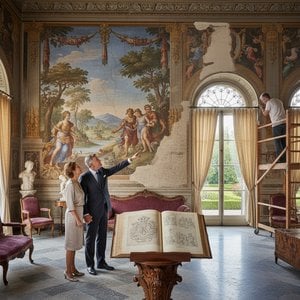
Filippo Brunelleschi a Lorenzo Ghiberti prezentují modelu kostela svatého Lorenza Cosimu I.


 Přečíst si více
Ručně malovaná olejová reprodukce
Ručně malované olejné plátno v libovolném rozměru i s rámem, vyrobené našimi umělci na zakázku. ( Přepnout na tiskové verze Přepnout na digitální verzi obrazu)




P118B $10

P118H $10

P118W $10

P438Z $10

P508JH $12

P508YH $12

P805H $10

P805Z $10

P919BZ $10

P919G $10

P919XJ $10

P959ZH $10

P968JZ $12

W106C $8

W218G $10

W218JH $8

W218Y $10

W307PJ $10

W316G $10

W316PJ $8

W316Y $10

W398PJ $8

W4111J $10

W500HY $15

W500JH $15

W692G $12

W849H $8

W940BG $15

W953PJ $8




Vyberte si z našich přednastavených velikostí, které odpovídají původním proporcím díla.

Můžete zadat vlastní rozměry pro konkrétní rám nebo prostor. Pokud se vámi vybraná velikost neshoduje s proporcemi původního obrazu, dílo buď ořízneme, nebo jej doplníme ručně malovanými prvky. Před zahájením výroby vám bude zaslán digitální náhled ke schválení.
Upozorňujeme, že náhled na obrazovce neodpovídá skutečnému ořezu ani rozšíření. Pouze digitální náhled přesně zobrazí finální kompozici.
Ačkoliv je možné zvolit vlastní velikost, pro zachování původních proporcí doporučujeme vybrat rozměr z předdefinovaného seznamu.
Po přijetí objednávky vám tým ArtsDot.com zašle e-mail s pokyny a poskytne náhledovou verzi.
Celosvětová doprava () za 3–4 týdny namísto standardních 5 týdnů. (21 září). Bez kompromisů v kvalitě.

Zdarma celosvětová expresní doprava

Vysoce kvalitní lněné plátno

Úplné pojištění přepravy

Záruka vrácení celního poplatku

Záruka věrného barevného shodu

100dení lhůta pro vrácení zboží (pouze při vadách výroby)

100% garance vrácení peněz

Sleva při více objednávkách
 Skleněná varianta je dostupná pouze u rozměrů menších než 110 cm

Filippo Brunelleschi a Lorenzo Ghiberti prezentují modelu kostela svatého Lorenza Cosimu I.
Technika provedení
Velikost reprodukce
-


Celková cena
$ 263
Filippo Brunelleschi a Lorenzo Ghiberti předávají Cosimovi model baziliky svatého Vavřince
Výstavní prostor Palazzo Vecchio v Římě uchovává jednu z nejvýznamnějších ikonických fresek renesance – obraz Giorgio Vasariho zobrazující Filipa Brunelleschiho a Lorenza Ghibertiho předávající Cosimovi model baziliky svatého Vavřince. Tento dílo, vytvořené v roce 1558, není jen estetickou nádherou; představuje vrcholné období florentského humanismu a architektury, které ovlivnily celý evropský umělecký svět. Vasari dokonale zachytil atmosféru doby, kdy Florencie žila pod vládou Mocných Mediciových dědiců a císař Cosimo I. byl podporovatelkem největších intelektuálních osobností své doby. Fresko vypráví příběh komplexního projektu obnovy baziliky svatého Vavřince – jednoho z největších stavebních výzev období Renesance. Brunelleschiho inovativní přístup k matematice a perspektivě, kombinovaný s Ghibertiho mistrovským zpracováním bronzu, vytvořily základ pro nový estetický jazyk, který následně ovlivnil tvorbu dalších významných umělců. Vasari dokázal vyjádřit nejen technické aspekty projektu, ale také jeho filozofickou hodnotu – snahu o návrat k klasickým ideálům krásy a harmonie. Hlavní pozornost diváka upoutává středový muž prezentující model baziliky Cosimovi. Vedle něj stojí dvě ženy umístěné na levé straně obrazu a další žena vzdálenější na pravé straně. Detailně zpracovaný pozadí – včetně psa umístěného v blízkosti základního rohu – odkazuje k estetickým principům Vasariho doby, které byly ovlivněny humanistickou filozofií a zájmem o klasické umění Řecka a Říma. Tento obraz není jen dekorací Palazzo Vecchio; představuje důkaz florentské kulturní velikosti a intelektuální inspirace pro generace následných umělců.- Styl: Mannerismus – výrazná estetická tendence k dramatickému kontrastu světel a stínů, komplikovaným kompozicím a expresivní gestům postav.
- Technika: Fresko – metoda dekorace plochých povrchů pomocí pigmentů rozpuštěných ve vodě, která vyžadovala pečlivé plánování a odbornou realizaci. Vasari využil inovativní metody perspektivy k vytvoření přesvědčivého obrazu prostoru.
- Historický Kontext: Projekt obnovy baziliky svatého Vavřince byl iniciován Cosimem I., který chtěl oslavit svou roli křesťanského vládcovy a podporovat nové náboženské směry v Římě. Fresko odráží atmosféru období Kontre reformace, kdy církev bojovala proti protestantským reformám.
- Symbolismus: Model baziliky představuje návrat k klasickým ideálům architektury a harmonie – hodnotám, které byly důležité pro humanistickou filozofii doby Renesance. Černý pes symbolizuje zlo a smrt, což odkazuje k biblickým motivům a náboženským ikonografickým konvencím.
Související díla


Biografie umělce
A Life Woven into the Renaissance Fabric
Giorgio Vasari, born in Arezzo, Tuscany, on July 30, 1511, was more than simply a painter; he was a quintessential embodiment of the Italian Renaissance spirit. His life unfolded as a vibrant tapestry woven with threads of artistic creation, architectural innovation, insightful historical writing, and an unwavering dedication to celebrating the masters who came before him. From his earliest training under Guglielmo da Marsiglia, a skilled artisan in stained glass, young Giorgio’s path was steered towards visual artistry. However, it was his move to Florence at sixteen that truly ignited his potential. Immersing himself within the dynamic circle of Andrea del Sarto and absorbing the influences of Rosso Fiorentino and Jacopo Pontormo, Vasari began a journey that would see him become one of the most influential figures of his era. His formative years were also deeply marked by the patronage and friendship of the powerful Medici family, a relationship that would shape both his career and his perspective on art’s role in society.The Artist's Hand and Eye
Vasari’s artistic style is often categorized as Mannerist, reflecting the prevailing aesthetic trends of the mid-16th century. His paintings are characterized by elongated figures, dynamic compositions, and a sophisticated use of color—qualities highly admired during his lifetime. While perhaps not achieving the same level of enduring fame as some of the artists he chronicled, Vasari’s skill was undeniable. Notable works such as *The Studio of the Painter*, a fresco housed in Casa Vasari in Arezzo, offer a fascinating glimpse into the artistic practices of the time. The sheer scale and ambition of his frescoes for the Palazzo Vecchio in Florence, undertaken between 1555 and 1572, demonstrate his mastery of large-scale decorative schemes. His final monumental undertaking, *The Last Judgement*, adorning the cupola of Florence Cathedral—completed after his death by Federico Zuccari—stands as a testament to his unwavering commitment to grand artistic visions. Beyond painting, Vasari’s architectural contributions were equally significant. He designed the elegant loggia of the Palazzo degli Uffizi, transforming it into a public piazza and creating a vital link within Florence's urban landscape. Perhaps most famously, he conceived and oversaw the construction of the Vasari Corridor, a secret passageway connecting the Uffizi Gallery with the Palazzo Pitti—a feat of engineering and architectural ingenuity that continues to captivate visitors today.A Historian Forging a Legacy
However, it is arguably as an art historian that Giorgio Vasari secured his most lasting legacy. His monumental work, *Lives of the Most Excellent Painters, Sculptors, and Architects*, published in 1550 (with a revised edition in 1568), revolutionized the way art was understood and appreciated. This groundbreaking text wasn’t merely a collection of biographies; it established a narrative framework for the development of Italian Renaissance art, tracing its evolution from the early masters like Cimabue and Giotto to his contemporaries Michelangelo and Raphael. Vasari's work introduced the very concept of the “Renaissance” – a rebirth of classical ideals—and laid the foundation for modern art history as a discipline. While acknowledging that Vasari’s accounts are not without their biases and inaccuracies, particularly concerning artists predating his own time, the impact of *Lives* remains profound. It provided a crucial historical context for artistic creation, elevating the status of artists from skilled craftsmen to intellectual figures worthy of scholarly attention.Influences and Enduring Significance
Vasari’s artistic development was profoundly shaped by his exposure to the works of Renaissance masters. His visit to Rome in 1529, where he studied the art of Raphael and other High Renaissance artists, proved pivotal. He absorbed their principles of composition, anatomical accuracy, and idealized beauty, incorporating them into his own style. Michelangelo, whom Vasari greatly admired, exerted a particularly strong influence on both his painting and architecture. The grandeur and dynamism characteristic of Michelangelo’s work are evident in many of Vasari’s projects. Beyond specific artists, the broader intellectual currents of the Renaissance—humanism, classical learning, and a renewed interest in empirical observation—also informed Vasari's approach to art and history. Giorgio Vasari died on June 27, 1574, in Florence, leaving behind a multifaceted legacy that continues to resonate today. He was not only a talented artist and architect but also a pioneering historian whose writings shaped our understanding of one of the most transformative periods in Western art history. His work remains essential for anyone seeking to explore the rich cultural heritage of the Italian Renaissance.Major Achievements
- *The Studio of the Painter* (Fresco, Casa Vasari, Arezzo): A seminal work showcasing his early Mannerist style and artistic techniques.
- Frescoes in Palazzo Vecchio (Florence): Including the monumental decoration of the Salone dei Cinquecento, demonstrating his mastery of large-scale historical narratives.
- Design of the Uffizi Gallery Loggia: A transformative public space that redefined Florentine urban design.
- Construction of the Vasari Corridor: An ingenious architectural solution connecting two prominent palaces in Florence – a testament to his engineering skills.
- *Lives of the Most Excellent Painters, Sculptors, and Architects* (1550 & 1568): A foundational text for art history, establishing a framework for understanding the development of Renaissance art.
Key Influences
Early Influences:- Guglielmo da Marsiglia: His initial training in stained glass provided a foundation in craftsmanship and artistic technique.
- Andrea del Sarto & Rosso Fiorentino: Exposure to these prominent Florentine artists shaped his understanding of composition, color theory, and classical influences.
- Michelangelo Buonarroti: Vasari deeply admired Michelangelo’s artistic genius and incorporated elements of his style into his own work.
- Renaissance Humanism & Classical Learning: The intellectual currents of the Renaissance profoundly influenced his approach to art, history, and scholarship.

Giorgio Vasari
1511 - 1574 , Itálie
Rychlé informace
- Artistic Movement Or Style: Mannerismus
- Artists Or Movements Influenced By This Artist: ['Renesanční umění']
- Artists Who Influenced This Artist:
- Michelangelo
- Guglielmo da Marsiglia
- Date Of Birth: 30. července 1511
- Date Of Death: 27. června 1574
- Full Name: Giorgio Vasari
- Nationality: Italista
- Notable Artworks:
- Studio malíře
- Poslední soud
- Place Of Birth: Arezzo, Itálie
Související články

The Enduring Legacy of Fresco Painting: Techniques, History & Contemporary Relevance
Explore the rich history & enduring artistry of fresco painting – from Giotto to Michelangelo! Discover techniques, conservation efforts, & modern applications. Learn how ArtsDot brings this timeless art form to your home.
Freska jako rodinné dědictví: Zachovejte svůj původ v obrazech na stěnách
Objevte sílu fresek pro uchování rodinné historie! Kvalitní reprodukce a zakázková malba od . Inspirujte se historií umění a vytvořte jedinečný obraz vašeho původu.

The Enduring Legacy of Fresco: Technique, History & Artistic Expression Across Cultures
Explore the rich history & enduring legacy of fresco painting! Discover ancient techniques, Giotto's masterpieces, and modern applications. Expert insights for art lovers & professionals.

O nás
Objevte náš příběh! Přinášíme umění světové úrovně do vašeho života prostřednictvím odborného výběru, zakázkové tvorby a bezplatných náhledů. Osvědčeno jednotlivcům i firmám od roku 2000.

Francisco Goya: 25 mistrovských děl španělského génia | ArtsDot.cz
Prozkoumejte 25 ikonických děl Francisca Goyi – od romantických portrétů po temné tiskoviny. Objevte příběhy, techniky a umělecký význam španělského mistra na ArtsDot.cz. Reprodukce obrazů pro váš interiér.


