


 Náhled
 Sdílet
 Sdílet
 Podrobnosti o díle

 Stáhnout
 Podobné položky
 Rentgenové snímky
 Slideshow
Michelangeloho návrh na sarkofág Juliusa II.
 Akryl na plátně
- Obrazová tvorba na stěnu
- Mannerist Style
 580.0 x 393.0 cm
 Staatliche Museen zu Berlin
 Zobrazit více
Ručně malovaná olejová reprodukce
Ručně malovaná olejná barva na plátně ve vašem zvoleném rozměru i s rámem, vyrobená našimi umělci na zakázku. ( Koupit tisk Koupit obrázek)




P118B $10

P118H $10

P118W $10

P438Z $10

P508JH $12

P508YH $12

P805H $10

P805Z $10

P919BZ $10

P919G $10

P919XJ $10

P959ZH $10

P968JZ $12

W106C $8

W218G $10

W218JH $8

W218Y $10

W307PJ $10

W316G $10

W316PJ $8

W316Y $10

W398PJ $8

W4111J $10

W500HY $15

W500JH $15

W692G $12

W849H $8

W940BG $15

W953PJ $8




Vyberte si z našich přednastavených velikostí, které odpovídají původním proporcím díla.

Můžete zadat vlastní rozměry pro konkrétní rám nebo prostor. Pokud se vámi vybraná velikost neshoduje s proporcemi původního obrazu, dílo buď ořízneme, nebo jej doplníme ručně malovanými prvky. Před zahájením výroby vám bude zaslán digitální náhled ke schválení.
Upozorňujeme, že náhled na obrazovce neodpovídá skutečnému ořezu ani rozšíření. Pouze digitální náhled přesně zobrazí finální kompozici.
Ačkoliv je možné zvolit vlastní velikost, pro zachování původních proporcí doporučujeme vybrat rozměr z předdefinovaného seznamu.
Po přijetí objednávky vám tým ArtsDot.com zašle e-mail s pokyny a poskytne náhledovou verzi.
Celosvětová doprava () za 3–4 týdny namísto standardních 5 týdnů. (17 srpen). Bez kompromisů v kvalitě.

Zdarma celosvětová expresní doprava

Vysoce kvalitní lněné plátno

Kompletní přepravní pojištění

Záruka vrácení celního poplatku

Záruka přesného barevného shodu

60denní lhůta pro vrácení zboží (pouze při vadách výroby)

100% garance vrácení peněz

Sleva při hromadné objednávce
 Skleněná varianta je dostupná pouze u rozměrů menších než 110 cm

Michelangeloho návrh na sarkofág Juliusa II.
Technika reprodukce
Rozměry reprodukce
-


Celková cena za výběr
$ 263
Popis díla
Giacomo Rocca’s Reverent Echoes of Michelangelo
A glimpse into the artistic fervor of late Renaissance Rome is captured in Giacomo Rocca’s meticulously crafted drawing, “Michelangelo’s Draft for the Tomb of Julius II,” a piece that transcends mere visual representation and delves into profound theological contemplation. Executed around 1592, Rocca's work stands as a testament to the enduring influence of Mannerist aesthetics—particularly Michelangelo’s monumental vision for Pope Julius II’s funerary monument—a project tragically curtailed by the pontiff’s untimely demise. This drawing isn’t simply an image; it’s a tangible connection to one of art history's most ambitious endeavors.- Provenance: Rocca’s depiction originates from Château des Moines at Berzé-la-Ville, where Abbot Hugh of Cluny initiated the creation of a breathtaking mural program reflecting the distinctive iconography of his era – arguably the finest surviving examples of Cluniac art.
- Technical Detail: Crafted with pen and brown ink overlaid by subtle brown wash, Rocca’s drawing meticulously replicates Michelangelo's original sketch. The artist skillfully captured every nuance of detail, mirroring the sculptor’s initial conceptualization for the tomb’s wall surface.
Michelangelo’s Vision: A Monumental Undertaking
Michelangelo’s ambitious plan for Julius II's tomb envisioned a freestanding monument adorned with sculpted figures representing biblical narratives—a bold departure from traditional funerary art. The initial design, abandoned due to papal death, focused on integrating the tomb wall into a larger architectural space, reflecting Michelangelo’s innovative approach to artistic expression. Rocca’s drawing serves as an invaluable record of this pivotal moment in Renaissance sculpture and painting history.Symbolism and Spiritual Resonance
The imagery within Rocca's drawing speaks volumes about the prevailing religious beliefs of the time. The central female figure symbolizes purity and compassion, mirroring Mary Magdalene’s role as a witness to Christ’s crucifixion—a poignant reminder of faith and redemption. Furthermore, the positioning of the figures underscores the hierarchical structure of Christian theology, emphasizing God’s dominion over humanity. Rocca's drawing isn't merely aesthetically pleasing; it embodies the spiritual convictions that shaped Renaissance art and culture.A Legacy Preserved in Ink
Giacomo Rocca’s “Michelangelo’s Draft for the Tomb of Julius II” stands as a remarkable achievement of Mannerist artistry—a testament to meticulous observation, technical skill, and artistic sensitivity. Its enduring appeal lies not only in its visual beauty but also in its ability to transport viewers back to a time of profound religious devotion and artistic innovation. This drawing remains an inspiring exemplar of how art can communicate complex theological ideas with grace and precision.This artwork is in the public domain.
Podobná umělecká díla


Biografie umělce
Giacomo Rocca (1592 – c. 1605): A Mannerist Vision of Faith and Patronage
Giacomo Rocca, a name largely absent from mainstream art historical narratives, nevertheless represents a significant contribution to the artistic landscape of late Renaissance Italy—specifically within the fervent devotional fervor surrounding Santa Maria degli Angeli in Rome. Born sometime around 1592, Rocca’s life remains shrouded in relative obscurity, primarily documented through Giovanni Baglione's *Le Vite dei Pittori*, Scultori et Architetti dal Pontificato di Gregorio XIII del 1572 in fino a tempi di Papa Urbano VIII nel 1642*, which offers invaluable insight into the artistic milieu of his era.
Rocca’s formative years were spent under the tutelage of Daniele da Volterra, a celebrated Mannerist sculptor and painter whose influence profoundly shaped Rocca's stylistic trajectory. Da Volterra championed a dramatic, expressive approach characterized by distorted figures, exaggerated poses, and intense emotional intensity—elements that would become hallmarks of Rocca’s oeuvre.
The Frescoes of Santa Maria degli Angeli
Rocca’s most enduring legacy resides in his monumental frescoes adorning the first chapel on the right of Santa Maria degli Angeli e dei Martiri, a basilica renowned for its opulent decoration and patronage by Cardinal Alessandro Farnese. Collaborating closely with Michele degli Alberti, Rocca undertook the ambitious task of depicting scenes from the Old Testament—specifically Prophets and Sibyls—and subjects commemorating Saint Francis Xavier, a pivotal figure in Jesuit missionary activity.
These frescoes exemplify the Mannerist preoccupation with psychological realism and symbolic grandeur. Rocca skillfully employed tenebrismo—a technique pioneered by Caravaggio—to create dramatic chiaroscuro effects that heighten emotional impact and convey profound spiritual contemplation. The figures are rendered with meticulous detail, capturing subtle nuances of expression and gesture, reflecting Da Volterra’s influence.
Style and Technique
Rocca's artistic style is firmly rooted in the Mannerist tradition, distinguished by its rejection of classical ideals of beauty and harmony. Instead, he embraced distortion, asymmetry, and expressive exaggeration—methods designed to elicit a visceral response from the viewer. His palette favored muted tones—primarily ochres, siennas, and umbers—creating an atmosphere of solemn contemplation.
Furthermore, Rocca’s meticulous attention to detail—evident in his rendering of drapery folds and facial expressions—demonstrates a mastery of disegno—the Italian term for drawing—a cornerstone of Renaissance artistic training. Like Da Volterra, Rocca prioritized conveying emotion over mere visual representation, prioritizing psychological depth and spiritual significance.
Legacy and Influence
Despite the paucity of biographical information, Giacomo Rocca’s contribution to Roman art history remains undeniable. His frescoes at Santa Maria degli Angeli stand as testament to the enduring power of Mannerist aesthetics—a style that continues to inspire artists today. Though overshadowed by more prominent contemporaries, Rocca's work embodies a distinctive vision of faith and artistic expression—a poignant reminder of the rich tapestry of creativity within Renaissance Italy.

giacomo rocca
1592 - 1605 , Italy
Rychlé fakta
- Artistic Movement Or Style: Mannerist
- Artists Or Movements Influenced By This Artist: ['Michelangelo']
- Artists Who Influenced This Artist: ['Daniele da Volterra']
- Date Of Death: between 1592 and 1605
- Full Name: Giacomo Rocca
- Nationality: Italian
- Notable Artworks:
- Frescoes in the Ricci Chapel
- Roman Triumphs
- Place Of Birth: Italy
Související články

Michelangelo Buonarroti: Top 25 mistrovských děl renesance pro váš domov | ArtsDot.com
Objevte 25 ikonických děl Michelangela Buonarrotiho – od Davida po Pietu. Ponořte se do světa renesance, mistrovských technik a nadčasové krásy. Umělecké reprodukce nejvyšší kvality pro váš interiér na ArtsDot.com

Top 25 uměleckých děl Uffizi: Renesanční mistrovství pro váš domov
Prozkoumejte 25 ikonických děl Galleria degli Uffizi ve Florencii! Obdivujte Botticelliho, Leonarda da Vinci a další renesanční mistry. Reprodukce obrazů pro váš domov na ArtsDot.com – inspirace a umění do interiéru.
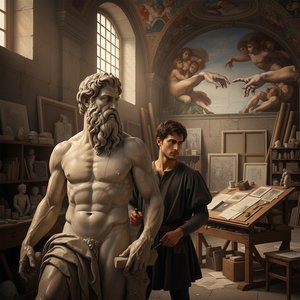
Michelangelo Buonarroti: A Renaissance Titan – Life, Works & Enduring Legacy
Explore the life, works & enduring legacy of Michelangelo Buonarroti, a Renaissance titan. Discover his iconic sculptures, frescoes, and architectural achievements. Expert art consultation & high-quality reproductions at ArtsDot.

The Hague School: Realism, Atmosphere & the Dawn of Dutch Impressionism
Explore the Hague School's pivotal role in Dutch art history. Discover realism, atmospheric landscapes & its influence on Impressionism. Learn about key artists like Mauve & Maris with ArtsDot.

Top 10 mistrovských děl Hudson River School: Krajina jako umělecký odkaz
Prozkoumejte 10 ikonických děl Hudson River School – Cole, Church, Bierstadt a další. Objevte romantismus v americké krajinomalbě a inspirujte se pro luxusní dekorace s ArtsDot.com!

