


Obraz odpovídá vašim volbám: , .
Popis sbírného předmětu
Man Ray’s ‘Square Dumb Bells,’ created in 1944 or 1945, exemplifies his fascination with transforming familiar items into artistic statements. This piece utilizes two weightlifting dumbbells as found objects—a key element of his Dada and Surrealist aesthetic. The sculpture's minimalist form contrasts with the artist’s exploration of cinematic experimentation and visual storytelling.
 Zobrazit více
Biografie umělce
Man Ray (1890-1976) byl americký umělec, průkopník Dadaismu & Surrealismu. Slavný rayografy, portréty a experimentální filmy – klíčová postava 20. století.
Toto umělecké dílo je chráněno autorským právem
Umělecké dílo zobrazené na této stránce je chráněno autorským zákonem, což znamená, že nemůžeme legálně vytvářet ani prodávat jeho identickou reprodukci. Tato ochrana je vymáhána na základě mezinárodních dohod, jako například Berberská úmluva a národními zákony, včetně těch stanovených v Americký autorský zákon – Díl 17. Všechna práva vyhrazena.
Jako etická a právní alternativa nabízíme vlastní, ručně malovaná umělecká díla inspirovaná originálem. Naši zdatní a profesionální umělci si pečlivě studují styl, náladu a uměleckou podstatu originálu, aby vytvořili nové, jedinečné dílo, které vyvolává stejný pocit – přičemž zůstává samostatným originálním tvůrčím dílem.
Tato metoda je plně v souladu s autorským právem, protože nezahrnuje kopírování ani duplikování chráněného díla. Jde o kreativní reinterpretaci – nový obraz, který je inspirován originálem, ale není s ním identický.
Order your in four simple steps
Nespěchejte. Každou odpověď můžete změnit; cena v košíku se bude přizpůsobovat každé vaší volbě.
1 První krok ze čtyř
Jakou velikost si přejete?
Tyto velikosti zachovávají proporce původního obrazu. Návrh ukazuje vaši volbu na stěně nad dvumetrovou pohovkou.
nebo zadejte vlastní rozměry
Vyberte si z našich přednastavených velikostí, které odpovídají původním proporcím díla.

Zadejte šířku a výšku, které potřebujete pro váš rám nebo stěnu. Protože se jedná o ruční malbu, při výběru jiného formátu může umělec kolem obrazu domalovat o něco více, nebo jej mírně oříznout — rozhodnete si vy. Před zahájením malby vám zašleme digitální náhled ke schválení. Obraz zobrazený na této stránce neodpovídá skutečnému výsledku — pouze digitální náhled jej zobrazuje.
2 Druhý krok ze čtyř
Jak by mělo být připraveno: srolované, na plátno natažené nebo v rámu?
Ceny níže platí pro rozměr, který jste si zvolili v prvním kroku.
Vyberte si okraje plátna
Vyberte si rámeček

Bílé okraje Kč1

Rozostřené okraje Kč1

Prodloužené okraje Kč1

P118B Kč10

P118H Kč10

P118W Kč10

P438Z Kč10

P508JH Kč12

P508YH Kč12

P805H Kč10

P805Z Kč10

P919BZ Kč10

P919G Kč10

P919XJ Kč10

P959ZH Kč10

P968JZ Kč12

W106C Kč8

W218G Kč10

W218JH Kč8

W218Y Kč10

W307PJ Kč10

W316G Kč10

W316PJ Kč8

W316Y Kč10

W398PJ Kč8

W4111J Kč10

W500HY Kč15

W500JH Kč15

W692G Kč12

W849H Kč8

W940BG Kč15

W953PJ Kč8

H24-GOLD Kč30

H24-SILVER Kč30

H36-GOLD Kč45

H36-SILVER Kč45
V rámu
Profil: . Celkové rozměry včetně rámu: .
3 Třetí krok ze čtyř
Přejete si v malbě něco změnit?
Většina lidí odpoví ne. Protože každý obraz je vytvořen ručně, náš umělec jej pro vás může také upravit.
Po přijetí objednávky vám tým ArtsDot.com pošle e-mail s instrukcemi a poskytne náhled návrhu
4 Čtvrtý krok ze čtyř
Několik možností provedení
Všechny jsou volitelné. Již zvolené odpovědi nesepisují žádné dodatečné náklady.
Kdo je autor?
Celosvětová doprava () za 3–4 týdny namísto standardních 5 týdnů. (18 listopad). Bez kompromisů v kvalitě.
Štítek jako v muzeu?
Detaily ryté bronzové plakety
This elegant plaque features the artist's name and the title of the artwork, finely engraved for a timeless presentation.
It is made from bronze with a refined, elegant finish. The text is precisely laser-engraved for a sharp and permanent result. Measuring 9x2 cm, the plaque is compact yet easy to read. It's built to be durable and scratch-resistant, offering a professional, museum-quality look. Mounting is simple thanks to the included adhesive backing.
Detaily průhledné akrylové desky
The plaque includes essential engraved details such as the artist's name, the title of the artwork, the date it was created, the type of media used-like oil on canvas or watercolor-a brief description of the piece, and a QR code that links to the complete artwork information.
It is crafted from clear acrylic, offering a sleek, modern appearance. The text is UV-engraved in black to ensure strong visual contrast. With a size of 10x15 cm, it ensures optimal readability. It comes equipped with two metal hooks for secure wall mounting. The plaque is designed to be weather-resistant, making it suitable for various environments, and it includes interactive features that work seamlessly with smartphone scanning.
Detaily černé akrylové destičky
This elegant plaque includes engraved information such as the artist's name, the title of the artwork, the date it was created, the type of media used (like oil on canvas or watercolor), a short description of the artwork, and a QR code for quick access to more information.
The plaque itself is made from refined black acrylic with a premium finish. The text is laser-engraved in white for high contrast and readability. Its size is 10x15 cm, designed to be easy to read. It comes with two metal hooks for professional mounting. The design is sleek and fits any interior style. It is also weather-resistant and durable, with built-in digital integration for mobile compatibility.
Ochranný lak?
Kdy jej potřebujete?
✓ Kontrola a objednávka
Váš obraz přesně podle objednávky

Square
Technika reprodukce
Rozměry reprodukce
-

Vybraní mistři umění
Vyšší míra detailu, jemnosti a delší doba výroby
-

Možnosti rámování reprodukcí
-
-
U děl nebo reprodukcí, u nichž je jakákoliv strana větší než 105 cm (přibližně 41 palců), bude rám dodán jako sestava v rozloženém stavu. Tato metoda zajišťuje bezpečné doručení a chrání dílo před poškozením během přepravy.
Vyžaduje se odborná montáž – nejedná se o produkt pro svépomocnou realizaci (DIY).
Sestava musí být složena a plátno napnuto zkušeným profesionálním rámovačem s použitím dřevěného lepidla (není součástí balení), kleští na napínání plátna a svorek pro udržení pravých úhlů křížů během schnutí lepidla. Nesprávná montáž nebo nerovnoměrné napnutí plátna může způsobit trvalé poškození uměleckého díla, které není kryto naší zárukou.
 U děl nebo reprodukcí, u nichž je jakákoliv strana větší než 105 cm (přibližně 41 palců), bude rám dodán jako sestava v rozloženém stavu. Tato metoda zajišťuje bezpečné doručení a chrání dílo před poškozením během přepravy.
Jsou zahrnuty všechny lišty z masivního dřeva, přesně na míru nařezané.
Sestavuje se pomocí součástí balení (šroubů), plus dřevěného lepidla na rohové spoje, které není součástí balení a musí jej zajistit váš rámovač.
Vyžaduje se profesionální nářadí, které není součástí sady: kleště na napínání plátna a svorky pro udržení kolmosti příček během schnutí lepidla.
Důležité:
Spoje v rozích vyžadují lepidlo na dřevo, tyčinky musí být přichyceny pomocí svorek, dokud lepidlo zcela neuschne, a pro napnutí plátna na sestavený rám je zapotřebí kleští na natahování plátna. Žádný z těchto náčiní není součástí sady. Před objednáním této velikosti prosím zajistěte zkušeného profesionálního rámovače.

Popisek díla
-
-

Ochranný lak
Lesklý lak (zvýrazňuje barvy, chrání před světlem a vlhkostí)
-

Přizpůsobit své umělecké dílo
Příklady možných úprav: nahrazení obličeje fotografií zákazníka; přidání domácího mazlíčka (např. výměna kočky za psa); vložení skrytého vzkazu do pozadí; změna krajiny nebo prvků v pozadí.
-

Prioritní doručení
Celosvětové doručení () za 3–4 týdny namísto standardních 5 týdnů. (18 listopad). Bez kompromisů v kvalitě.
-
Expresní doručení
Celosvětová doprava () do 5 týdnů. (25 listopad).
V ceně
Celková cena za vybrané možnosti reprodukcí
Kč 5696
Skleněná varianta je dostupná pouze u rozměrů menších než 110 cm
Součást každé objednávky
- Zdarma celosvětová expresní doprava
- Vysoce kvalitní lněné plátno
- Kompletní pojištění přepravy
- Záruka vrácení celního poplatku
- Záruka věrného barevného souladu
- 100dení lhůta pro vrácení zboží (pouze při vadách výroby)
- 100% záruka vrácení peněz
- Sleva při více objednávkách


The Enigma of the Spiral
In the quiet intensity of Man Ray’s Square, one is immediately drawn into a rhythmic, swirling dance of typography and form. Created during the mid-1940s, this work transcends mere geometric abstraction to become a profound meditation on the nature of sight itself. A singular, commanding “S” anchors the composition, acting as a gravitational center around which a constellation of smaller letters spirals outward in an almost hypnotic motion. This arrangement does more than decorate the canvas; it disrupts our established visual hierarchies, forcing the eye to wander through a labyrinth of characters that seem to emerge from and recede into the very fabric of the piece. It is a visual journey that challenges the viewer to look beyond the surface and contemplate the mechanics of perception.
Technique Born of Light and Shadow
Man Ray’s transition from the experimental realm of photography—specifically his pioneering work with camera-less photograms—into the medium of painting brought a unique, luminous sensibility to his canvas. In Square, he utilized casein paint, applying it in delicate, translucent layers to achieve an ethereal glow that mimics the soft, dreamlike quality of his famous rayographs. This meticulous technique creates a subtly textured surface that catches the light, lending the work a sense of depth and vitality that feels almost tactile. The choice of a square format further reinforces the piece's structural integrity, mirroring the precision of his photographic eye while embracing the fluid, organic energy of the Surrealist movement. For those seeking to bring a touch of avant-garde sophistication to a modern interior, the interplay of light and form in this piece offers an unparalleled elegance.
A Legacy of Subconscious Exploration
To understand Square is to understand the radical spirit of the Dada and Surrealist movements that defined Man Ray’s era. Influenced heavily by the conceptual provocations of Marcel Duchamp, the artist sought to dismantle the boundaries between the rational and the irrational. The central “S” serves as a potent symbol, perhaps representing his own initials, but more deeply embodying the core of Surrealism: the rejection of logic in favor of the subconscious. This painting is an invitation to abandon the need for literal interpretation and instead embrace the mystery of the unexplained. It is a masterpiece of intellectual depth, making it a commanding focal point for collectors and designers who wish to infuse their spaces with a sense of historical significance and timeless, contemplative beauty.
Otázky a odpovědi
Pod jakými dalšími jmény nebo pseudony je Man Ray známý/á?
Man Ray se vystupuje även pod alternativními jmény Emmanuel Radnitzky, Rudzitsky, Rudnitsky.
Jak lze využít dílo „Square“ od Man Ray při dekorování interiéru?
Dílo „Square“ je doporučeno pro Accent a ideálním prostorem pro jeho umístění je Living Room.
Jaké místo si v dějinách umění zaujímá „Square“ od Man Ray?
Uměleckohistorická klasifikace díla „Square“ od Man Ray spadá do směru Surrealist v období Modern.
Více informací o tomto obrazu
 Náhled v interiéru
 Přepnout na tisk
 Sdílet
 Sdílet
 Podrobnosti o díle
 Průvodce

 Stáhnout
 Podobné položky
 Rentgenové snímky
 Slideshow
 Otázky a odpovědi
 Statistiky
Podobná díla


Man Ray
1890 - 1976, Spojené státy americké
Biografie umělce
A Life Illuminated by Shadows
Emmanuel Radnitzky, a name forever intertwined with the enigmatic “Man Ray,” was more than just an artist; he was a restless spirit who defied easy categorization and relentlessly pursued the boundaries of perception. Born in Philadelphia in 1890 to Russian Jewish immigrant parents, his journey from aspiring painter to pioneering photographer and filmmaker encapsulates the radical artistic ferment of the early 20th century – a period defined by both immense upheaval and exhilarating creative experimentation. The shift from “Manny” Radnitzky to the iconic Man Ray wasn’t merely a stylistic choice; it represented a deliberate assertion of identity, a rejection of conventional labels in favor of an artistic persona unbound by expectation. His family's move to New York City proved to be a pivotal moment, plunging him directly into the heart of the burgeoning modernist scene and instilling within him a lifelong fascination with innovation and challenging established norms. Early influences – the European avant-garde showcased at Alfred Stieglitz’s 291 gallery, and the gritty realism of the Ashcan School – subtly shaped his artistic sensibilities, creating a unique blend that would inform his later work. Though initially dedicated to painting, it was photography that ultimately became his most potent medium for exploring the very nature of seeing and representation. Man Ray wasn't simply capturing images; he was inventing new ways to *perceive* the world around him.Dada, Surrealism, and the Pursuit of the Impossible
Man Ray’s artistic trajectory took a dramatic turn with his encounter with Marcel Duchamp in New York around 1915. This meeting sparked a shared fascination with dismantling traditional notions of art, leading to explorations of “ready-mades” – ordinary manufactured objects elevated to the status of artwork. This rebellious spirit propelled him directly into the heart of the Dada movement, an anti-art protest born from the disillusionment following World War I. Dada artists sought to expose the absurdity and irrationality of modern life, rejecting established values and embracing chance, humor, and provocation. Man Ray’s involvement with Dada wasn't merely a fleeting association; he became a key figure in the movement, collaborating on numerous projects and contributing significantly to its aesthetic and philosophical core. Simultaneously, he was drawn to the burgeoning Surrealist movement, led by André Breton, which sought to unlock the power of the unconscious mind, dreams, and irrationality. Man Ray’s work during this period reflects a fascinating synthesis of these two influential movements – a willingness to embrace chance and spontaneity while simultaneously exploring the hidden depths of the human psyche. He wasn't interested in creating realistic representations; instead, he aimed to capture the *feeling* of reality—its fragmented nature, its underlying anxieties, and its potential for transformation.Rayographs and the Alchemy of Light
Perhaps Man Ray is most famously recognized for his invention of the “rayograph,” a groundbreaking technique that fundamentally altered the possibilities of photography. This serendipitous discovery occurred almost accidentally in 1922 when he began experimenting with placing objects directly onto light-sensitive paper and exposing them to light – without using a camera lens. The resulting images—ethereal, ghostly compositions often imbued with an otherworldly quality—were unlike anything seen before. Rayographs weren’t simply alternative photographic methods; they represented a profound philosophical shift in the way photography was conceived. By eliminating the traditional camera lens, Man Ray stripped away the illusion of objectivity, revealing the inherent subjectivity of the medium itself. These images weren't representations *of* things; they were direct imprints *from* them—capturing not just their physical appearance but also their essence and atmosphere. The process was a form of alchemy, transforming ordinary objects into extraordinary visual experiences. Beyond rayographs, his photographic portraits – particularly those of artists like Lee Miller (who would become both his muse and collaborator) – are renowned for their striking compositions and psychological depth. He experimented relentlessly with solarization—a technique that reverses the tones in an image—multiple exposures, and darkroom manipulation, pushing the boundaries of what photography could achieve and creating a distinctive visual language.Beyond Stillness: Film and a Lasting Legacy
Man Ray’s artistic curiosity extended far beyond still images into the realm of filmmaking. His experimental films, such as *Le Retour à la Raison* (1923) and *L'Étoile de Mer* (1928), were characterized by their surreal imagery, unconventional editing techniques, and a deliberate rejection of traditional narrative structures. These weren’t stories told in a linear fashion; they were visual poems— explorations of form, rhythm, and the subconscious. He employed innovative techniques like stop-motion animation and superimposition to create disorienting and dreamlike effects, often blurring the lines between reality and illusion. While his film work remained relatively small in volume compared to his photography, it was profoundly influential on subsequent generations of avant-garde filmmakers—demonstrating a willingness to challenge cinematic conventions and explore new forms of visual expression. Throughout his long career, Man Ray continued to defy categorization, refusing to be confined by labels or expectations. He died in Paris in 1976, leaving behind a remarkably diverse body of work that continues to inspire and provoke debate. His legacy isn’t simply defined by his technical innovations but also by his unwavering commitment to artistic freedom—a true pioneer who fundamentally altered our understanding of art and its potential.A Continuing Influence
- Photography: Man Ray's techniques, particularly rayography and solarization, continue to be explored and emulated by contemporary photographers seeking innovative ways to capture light and form.
- Surrealism: His contributions significantly shaped the visual language of Surrealism, influencing countless artists across various disciplines.
- Experimental Film: His pioneering work in film laid a crucial foundation for future generations of avant-garde filmmakers who sought to break free from traditional narrative constraints.
- Fashion Photography: Man Ray’s innovative approach to portraiture and composition profoundly influenced the development of modern fashion photography, emphasizing mood, atmosphere, and psychological depth.

Související články

The Radical Legacy of Marcel Duchamp: What Was He Known For?
Explore the radical legacy of Marcel Duchamp from his iconic readymades to his portable museum and find ways to bring his vision into your home

Decoding the Subconscious: Symbolism and Psychological Tension in Surrealist Dream Imagery
Explore the profound symbolism and psychological depth of Surrealist dreamscapes. Decode the secrets of Dali and more today.
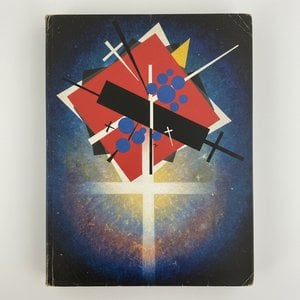
Beyond Representation: Exploring the Radical Geometry of Suprematism & Its Spiritual Foundations
Explore the revolutionary world of Suprematism with our expert guide. Discover Kazimir Malevich's groundbreaking art, its spiritual foundations & lasting influence on modern design. Learn about collecting this iconic movement.