


 Koupit tisk Koupit digitální obrázek
 Sdílet
 Sdílet
 Podrobnosti o díle
 Přidat do oblíbených

 Stáhnout
 Podobné položky
 Rentgenové snímky
 Slideshow
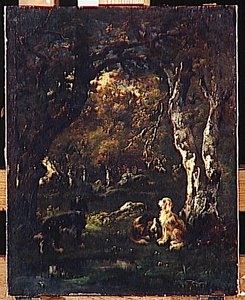
Noonday
 Barbizon School
 72.0 x 92.0 cm
 Zobrazit více
Ručně malovaná olejová reprodukce
Ručně malovaná olejná barva na plátně ve vašem zvoleném rozměru i s rámem, vyrobená našimi umělci na zakázku.




P118B $10

P118H $10

P118W $10

P438Z $10

P508JH $12

P508YH $12

P805H $10

P805Z $10

P919BZ $10

P919G $10

P919XJ $10

P959ZH $10

P968JZ $12

W106C $8

W218G $10

W218JH $8

W218Y $10

W307PJ $10

W316G $10

W316PJ $8

W316Y $10

W398PJ $8

W4111J $10

W500HY $15

W500JH $15

W692G $12

W849H $8

W940BG $15

W953PJ $8




Vyberte si z našich přednastavených velikostí, které odpovídají původním proporcím díla.

Můžete zadat vlastní rozměry pro konkrétní rám nebo prostor. Pokud se vámi vybraná velikost neshoduje s proporcemi původního obrazu, dílo buď ořízneme, nebo jej doplníme ručně malovanými prvky. Před zahájením výroby vám bude zaslán digitální náhled ke schválení.
Upozorňujeme, že náhled na obrazovce neodpovídá skutečnému ořezu ani rozšíření. Pouze digitální náhled přesně zobrazí finální kompozici.
Ačkoliv je možné zvolit vlastní velikost, pro zachování původních proporcí doporučujeme vybrat rozměr z předdefinovaného seznamu.
Po přijetí objednávky vám tým ArtsDot.com zašle e-mail s pokyny a poskytne náhledovou verzi.
Celosvětová doprava () za 3–4 týdny namísto standardních 5 týdnů. (18 červenec). Bez kompromisů v kvalitě.

Zdarma celosvětová expresní doprava

Vysoce kvalitní lněné plátno

Kompletní přepravní pojištění

Záruka vrácení celního poplatku

Záruka přesného barevného shodu

60denní lhůta pro vrácení zboží (pouze při vadách výroby)

100% garance vrácení peněz

Sleva při hromadné objednávce
 Skleněná varianta je dostupná pouze u rozměrů menších než 110 cm

Noonday
Technika reprodukce
Rozměry reprodukce
-


Celková cena za výběr
-
Podobná umělecká díla



Biografie umělce
William Edward Stott: A Painter of English Light and Rural Life
William Edward Stott (1855-1918) emerges from the late Victorian era as a significant, yet often overlooked, figure in British art. More than simply a landscape painter, Stott possessed a rare ability to capture not just the visual beauty of the English countryside but also its inherent atmosphere – the subtle shifts of light, the quiet dignity of rural life, and an underlying sense of melancholy that permeated his work. His career, spanning nearly six decades, witnessed profound changes in the art world, from the waning influence of academic traditions to the burgeoning excitement surrounding Impressionism and the rise of a distinctly “New English” aesthetic. While he never achieved the widespread fame of some contemporaries, Stott’s quietly powerful paintings continue to resonate with viewers today, offering a poignant glimpse into a vanishing way of life.
Born in Wardleworth, near Rochdale, Lancashire, in 1855, Stott's early life was shaped by the economic hardships faced by many industrial communities during the late 19th century. His father, Samuel Stott, was a successful cotton mill owner, and while this afforded his son a private education – including time spent at King’s Ely – it also instilled in him an awareness of social inequality and the precariousness of livelihoods. This experience profoundly influenced his artistic sensibilities, leading him to focus on subjects that depicted the lives of ordinary people connected to the land. He initially trained in Paris under Carolus Duran, a respected academic painter known for his meticulous technique and classical style. However, Stott quickly found himself drawn to the Impressionist movement, particularly the work of Bastien-Lepage, whose use of light and color to capture fleeting moments and evoke atmosphere deeply resonated with him. This Parisian period proved crucial in shaping his artistic vision, providing a foundation upon which he would later build his own distinctive style.
Upon returning to England, Stott embarked on a nomadic existence, seeking the ideal landscapes that would inspire his paintings. He spent considerable time in Sussex, establishing a small studio and building a close-knit community of artists – a tradition reminiscent of the Barbizon School in France. This period marked a significant shift in his artistic approach. He moved away from the polished surfaces and idealized forms of academic painting, embracing a looser, more expressive style characterized by broken brushstrokes, subtle color variations, and an emphasis on capturing the ephemeral qualities of light and shadow. His subjects remained largely unchanged: rural scenes – farmers working their fields, children playing in meadows, solitary figures contemplating the landscape – rendered with a remarkable sensitivity to detail and a deep understanding of human emotion. Stott’s paintings are not merely depictions of scenery; they are imbued with a profound sense of place and time, evoking memories of a bygone era.
Stott's artistic development can be traced through his prolific output during the late 1880s and 1890s. Works like “Approaching Night” (a particularly evocative example of his atmospheric style) demonstrate his mastery of light and color, capturing the subtle gradations of twilight with remarkable precision. He frequently employed a muted palette – dominated by greens, browns, and blues – to create a sense of quiet contemplation and melancholy. His compositions are often characterized by a strong sense of depth and perspective, drawing the viewer into the heart of the scene. While influenced by Impressionism, Stott’s work retains a distinctly British sensibility, reflecting his deep connection to the English landscape and its people. His paintings were exhibited with success in London and continental Europe during his lifetime, earning him critical acclaim and establishing him as a respected artist within the artistic community.
Despite achieving commercial success during his career, Stott’s style fell out of favor after World War I, overshadowed by the rise of modern art movements. His paintings were largely forgotten for decades, only to be rediscovered in the late 20th century as part of a renewed interest in British landscape painting. Today, William Edward Stott is recognized as a significant figure in Victorian and early twentieth-century art – a painter who captured the beauty and melancholy of rural England with remarkable sensitivity and skill. His work offers a poignant reminder of a disappearing world and a testament to the enduring power of observation and artistic expression.

william edward stott
1918 -
Rychlé fakta
- Artistic Movement Or Style: Naturalism, Barbizon, Impressionist
- Artists Or Movements Influenced By This Artist: ['New English Art Club']
- Artists Who Influenced This Artist:
- Bastien-Lepage
- Corot
- Millet
- Date Of Birth: April 25, 1855
- Date Of Death: March 19, 1918
- Full Name: William Edward Stott
- Nationality: British
- Notable Artworks:
- Approaching Night
- Rural Landscapes
- Place Of Birth: Wardleworth, Rochdale, UK
Související články

Top 25 uměleckých děl Musée d'Orsay: Impresionismus a mistři moderny | ArtsDot.com
Prozkoumejte 25 ikonických uměleckých děl Musée d'Orsay! Objevte příběhy Monetových leknínů, Van Goghovy slunečnic a dalších mistrů impresionismu. Reprodukce obrazů nejvyšší kvality na ArtsDot.com – inspirace pro váš interiér.

Alfred Worthington: Bridging Victorian Realism & Early Modern Landscape Painting
Explore the captivating landscapes of Alfred Worthington (1834-1927), a pivotal figure bridging Victorian realism & early Impressionism. Discover his Welsh hunting scenes, artistic evolution, and collecting guide.

Daniel Ridgway Knight: A Study in Victorian Genre Painting & Rural Idealism
Explore the captivating world of Daniel Ridgway Knight, a master of Victorian genre painting. Discover his serene rural scenes, realistic technique & lasting influence on American Impressionism. Learn about his life, art, and collectibility.

Edward Seago: A Life Painted in Light – Nostalgia & the British Landscape Tradition
Explore the life & art of Edward Seago, a celebrated British Impressionist painter known for evocative landscapes & seascapes. Discover his captivating works and find high-quality reproductions at ArtsDot.

Edward Wilkins Waite: A Victorian Vision of Surrey's Serene Landscapes & Artistic Legacy
Explore the serene landscapes of Edward Wilkins Waite (1854-1924), a prolific Victorian painter celebrated for his depictions of Surrey's countryside. Discover his artistic influences, career highlights & collecting guide.

