


 Náhled v interiéru
 Sdílet
 Sdílet
 Podrobnosti o díle
 Průvodce

 Stáhnout
 Podobné položky
 Rentgenové snímky
 Slideshow
 Statistiky
Self-Portrait
 Oil On Canvas
- WallArt
- Early Netherlandish Painting
 1548
1548 32.0 x 25.0 cm
 Öffentliche Kunstsammlung Basel
 Zobrazit více
Ručně malovaná olejová reprodukce
Rukou malované olejné plátno v libovolném rozměru i s rámem, vyrobené našimi umělci na zakázku. ( Přepnout na tisk Přepnout na digitální obraz)




P118B Kč10

P118H Kč10

P118W Kč10

P438Z Kč10

P508JH Kč12

P508YH Kč12

P805H Kč10

P805Z Kč10

P919BZ Kč10

P919G Kč10

P919XJ Kč10

P959ZH Kč10

P968JZ Kč12

W106C Kč8

W218G Kč10

W218JH Kč8

W218Y Kč10

W307PJ Kč10

W316G Kč10

W316PJ Kč8

W316Y Kč10

W398PJ Kč8

W4111J Kč10

W500HY Kč15

W500JH Kč15

W692G Kč12

W849H Kč8

W940BG Kč15

W953PJ Kč8




Vyberte si z našich přednastavených velikostí, které odpovídají původním proporcím díla.

Zadejte šířku a výšku, které potřebujete pro váš rám nebo stěnu. Protože se jedná o ruční malbu, při výběru jiného formátu může umělec kolem obrazu domalovat o něco více, nebo jej mírně oříznout — rozhodnete si vy. Před zahájením malby vám zašleme digitální náhled ke schválení. Obraz zobrazený na této stránce neodpovídá skutečnému výsledku — pouze digitální náhled jej zobrazuje.
Po přijetí objednávky vám tým ArtsDot.com zašle e-mail s pokyny a poskytne náhledovou verzi.
Celosvětová doprava () za 3–4 týdny namísto standardních 5 týdnů. (25 říjen). Bez kompromisů v kvalitě.

Zdarma celosvětová expresní doprava

Vysoce kvalitní lněné plátno

Kompletní pojištění přepravy

Záruka vrácení celního poplatku

Záruka věrného barevného souladu

100dení lhůta pro vrácení zboží (pouze při vadách výroby)

100% záruka vrácení peněz

Sleva při více objednávkách
 Skleněná varianta je dostupná pouze u rozměrů menších než 110 cm

Self-Portrait
Technika reprodukce
Rozměry reprodukce
-


Celková cena za vybrané možnosti reprodukcí
Kč 5624
A Pioneer's Vision: Catharina van Hemessen’s Self-Portrait – A Window into Renaissance Femininity
Catharina van Hemessen (1528 – after 1565) stands as a beacon of artistic achievement amidst the constraints imposed upon women during the sixteenth century. Her legacy transcends mere biographical details; it resides in her groundbreaking self-portrait, executed in 1548 at the tender age of twenty, which remains one of the earliest paintings depicting an artist actively engaged in their craft—a bold assertion of identity and creativity rarely celebrated within the artistic circles of her time. This remarkable artwork isn’t simply a depiction of herself; it's a meticulously crafted symbol reflecting the burgeoning spirit of Renaissance humanism and offering invaluable insight into the challenges faced by female artists striving for recognition.- Subject Matter: The portrait captures Van Hemessen seated at an easel, holding a paintbrush poised above a blank canvas—a deliberate gesture signifying her role as creator and embodying the humanist ideal of active engagement with the world. Her gaze directs outwards, establishing a direct connection with the viewer and inviting contemplation on the act of artistic representation itself.
- Style: Van Hemessen’s style aligns closely with Early Netherlandish painting traditions—characterized by exceptional realism and an unwavering attention to detail. The composition is centered around her figure, prioritizing intimacy and conveying a profound sense of dignity.
- Technique: Employing the masterful technique of oil paint on panel, Van Hemessen achieved remarkable luminosity and textural nuance through layering thin glazes – a hallmark of Renaissance painting that allowed for subtle variations in color and depth. This meticulous approach underscores her dedication to capturing the essence of her subject with unparalleled accuracy.
Historical Context: Challenging Societal Norms
Symbolism and Emotional Resonance
Legacy and Influence
Otázky a odpovědi
Je dílo "Self-Portrait" k dispozici jako umělecká tisknutá reprodukce?
Pokud si chcete pořídit tisk díla „Self-Portrait“ od Catharina van Hemessen, stačí si jej objednat přímo na jeho stránce Kvalitní umělecký tisk: umělecký tisk na bavlněném plátně nebo archivním plátnovém papíře.
Jakou techniku bylo použito pro dílo „Self-Portrait“ od Catharina van Hemessen?
Technikou díla „Self-Portrait“ od Catharina van Hemessen je Oil On Canvas. Reprodukce mají za cíl věrně zachytit vzhled této techniky.
Jaké jsou rozměry originálu „Self-Portrait“?
Rozměry originálního díla „Self-Portrait“ od Catharina van Hemessen jsou 32 x 25 cm.
Podobná díla


Biografie umělce
A Pioneering Vision: The Life and Art of Catharina van Hemessen
The 16th century, a period synonymous with the flourishing Renaissance, witnessed an extraordinary surge in artistic innovation. Yet, within this vibrant landscape, the contributions of women artists often remained obscured by societal constraints. Among those who dared to challenge these norms was Catharina van Hemessen, a Flemish painter whose talent and determination carved a unique space for her in art history. Born in Antwerp around 1528, into a family steeped in artistic tradition—her father, Jan Sanders van Hemessen, being a prominent Mannerist painter—Catharina benefited from an unusual advantage: direct tutelage within the home. This familial arrangement circumvented the typical obstacles faced by aspiring female artists of the time, namely the restrictive apprenticeship system that demanded years of living and working under the guidance of a master, a situation often impractical or unacceptable for women. Her father’s influence was foundational, providing her with not only technical skills but also access to a network within the burgeoning Antwerp art scene.Intimate Worlds: Style and Subject Matter
Van Hemessen's artistic focus centered primarily on portraiture, specifically small-scale depictions of women. These works are characterized by an exquisite realism, delicate rendering of features, and meticulous attention to costume—all set against dark, atmospheric backgrounds that create a sense of intimacy and quiet contemplation. Her portraits weren’t merely representations of physical likeness; they offered glimpses into the inner lives of her sitters, hinting at their social standing, education, and perhaps even their personalities. Girl at the Virginal (1548), possibly portraying her sister Christina, exemplifies this approach, showcasing a young woman engaged in music-making—a symbol of refinement and cultural accomplishment. The careful depiction of the instrument itself, along with the sitter’s poised demeanor, speaks to a world of privilege and artistic appreciation. While she also ventured into religious compositions, it was within the realm of portraiture that her talent truly shone, capturing a nuanced humanity often absent in more formal or grandiose depictions.A Self-Portrait for the Ages: Breaking Barriers
However, Catharina van Hemessen’s most enduring legacy rests upon her Self-Portrait (1548). This remarkable work is not simply a depiction of an artist; it's a statement. At just twenty years old, she presented herself actively engaged in the act of painting, seated before an easel with palette and brushes in hand. This image holds immense historical significance as it’s widely considered the earliest surviving self-portrait of an artist—male or female—depicting themselves *at work*. It's a bold assertion of her professional identity, challenging conventional expectations about women’s roles and capabilities. The composition itself is carefully constructed: she gazes directly at the viewer with confidence, while the reflection in the mirror behind her offers another perspective, subtly acknowledging the complexities of representation. The painting isn’t just a self-representation; it's a meditation on the very nature of artistic creation.Recognition and Legacy
Van Hemessen’s talent did not go unnoticed during her lifetime. She became a master in the Guild of Saint Luke, an exceptional achievement for a woman in the 16th century, demonstrating both her skill and recognition within the artistic community. Her success attracted the attention of Maria of Austria, Queen of Hungary and Bohemia, who became a significant patron. In 1556, van Hemessen was invited to join the Spanish court alongside Maria, further solidifying her position as a respected artist. While details surrounding the later years of her life remain somewhat scarce—she married musician Chrétien de Morien around 1554 and appears to have ceased painting shortly thereafter—her impact on art history is undeniable. She paved the way for future generations of female artists, demonstrating that women could not only excel in a traditionally male-dominated field but also challenge prevailing societal norms through their creative expression. Her work continues to inspire, reminding us of the importance of recognizing and celebrating the contributions of all artists, regardless of gender or background.- Her self-portrait remains an iconic image of female artistic agency.
- She challenged the limitations placed upon women in Renaissance society.
- Van Hemessen’s intimate portraits offer valuable insights into the lives and status of women during her time.

Catharina van Hemessen
1528 - 1587 , Belgium
Rychlé informace o umělci
- Full Name: Catharina van Hemessen
- Nationality: Flemish
- Date Of Birth: 1528
- Date Of Death: 1587
- Place Of Birth: Antwerp, Belgium
- Notable Artworks:
- Self-Portrait (1548)
- Girl at the Virginal
- Portrait of a Woman
- Artistic Movement Or Style: Flemish Renaissance
- Artists Who Influenced This Artist: ['Jan Sanders van Hemessen']
Související články
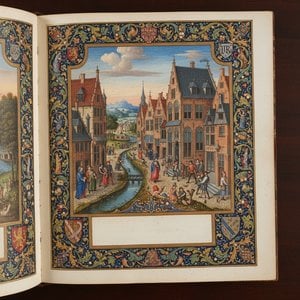
Illuminating Realism: Early Netherlandish Painting (15th-16th Centuries)
Explore the captivating world of Early Netherlandish painting! Discover Jan van Eyck, Hans Memling & more. Uncover symbolism, techniques & the legacy of these Flemish masters. A comprehensive guide for art enthusiasts.

Rembrandt van Rijn: Top 25 mistrovských děl pro váš interiér | ArtsDot.cz
Prozkoumejte 25 nejlepších děl Rembrandta van Rijna – od portrétů po biblické scény. Objevte příběhy, techniky a inspiraci nizozemského baroka. Reprodukce obrazů pro váš interiér na ArtsDot.cz.

10 mistrovských děl rané nizozemské renesance – inspirace pro váš interiér
Objevte 10 ikonických děl rané nizozemské renesance – Jan van Eyck, Robert Campin a další mistři. Ponořte se do příběhů olejomalby, portrétů a symboliky. Najděte inspiraci pro váš interiér s reprodukcemi nejvyšší kvality na ArtsDot.com

Hugo van der Goes: Devotion, Innovation & the Psychological Depth of Early Netherlandish Painting
Explore the revolutionary art of Hugo van der Goes – a master of Early Netherlandish painting renowned for his dramatic realism, psychological depth & profound influence on Renaissance artists. Discover his iconic works and lasting legacy.

10 mistrovských děl rané nizozemské malby, které změnily umění | ArtsDot
Objevte 10 ikonických děl rané nizozemské malby – Jan van Eyck, Rogier van der Weyden a další mistři. Ponořte se do renesanční techniky a historie umění s ArtsDot.com! Prohlédněte si reprodukce obrazů pro váš interiér.