Шотландска душа в калифорнийския пейзаж
Уилям Кийт, роден през 1838 г. в Олдмелдрум, Абердиншир, Шотландия, е творец, чийто живот се преплита неразривно с драматичната красота на американския Запад. Неговата история е разказ за миграция, художествена еволюция и дълбока духовна връзка с природния свят. Преместването на семейството в Ню Йорк през 1850 г., последвало смъртта на баща му, бе началото на нова глава, в която младият Уилям първоначално се обучава като дърворезбец – умение, което отшлифова способността му за наблюдение и разбирането му за линията и формата. Този ученически период в Harper’s Magazine му донесе ценен опит, но краткото престой в Шотландия и Англия през 1858 г., при работа за London Daily News, разбуди в него копнеж за художествено изразяване отвъд рамките на търговското изкуство. Примамването на Запада се оказа непреодолимо, водейки го до Сан Франциско през 1ля 1859 г., където първоначално търси работа по гравюра, но бързо осъзна, че истинното му призвание е в улавянето на дивите пейзажи, разстилащи се пред очите му. Ранните му обучения при Смуел Марсдън Брукс и Елизабет Емерсън – която по-къто ще стане негова съпруга през 1864 г. – му дадоха фундаментално разбиране за техниките на рисуване, особено акварела, подготвяйки почвата за бъдещите му изследвания в маслената живопис.Европейско изтънчение и раждането на една визия
Художественото пътешествие на Кийт го превежда обратно през Атлантика през 1869 г., този път до Дюселдорф, Германия, където изучава под ръководството на Алберт Флам и се сблъсква с влиянието на Андреас Ахенбах. Въпреки това, именно престоят му в Париж се оказва истински трансформиращ. Потопен в атмосферата на Баризонската школа, Кийт попива техния акцент върху директното наблюдение на природата, тоналните стойности и поетичното предаване на светлината и настроението. Този опит фундаментално променя подхода му към пейзажната живопис, отдалечавайки го от прецизния детайл към по-въздействащ и емоционално резонансен стил. Кратният период на споделяне на студио с Уилям Хан в Бостън през 1871-72 г. допълнително затвърждава тези влияния, преди той да се върне в Калифорния, завинаги променен от европейското си преживяване. С завръщането си Долината Йосемити се превръща в централен фокус на неговата работа – място, което резонира дълбоко с неговите духовни усещания и му осигурява безкрайно вдъхновение. Тук, сред гранитните скали и каскадите от водопади, Кийт започва да изковава своя уникален художествен глас – белязан от дълбоко чувство за атмосфера и почти мистична връзка със земята. Амбициозното му начинание за създаване на мащабни панорами през 1870-те години – масивни платна с размери шест на десет фута – демонстрира както неговото техническо майсторство, така и желанието му да потопи зрителите в величието на калифорнийския пейзаж.Тонализъм, духовност и вечно наследство
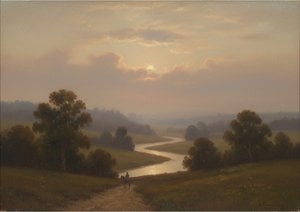
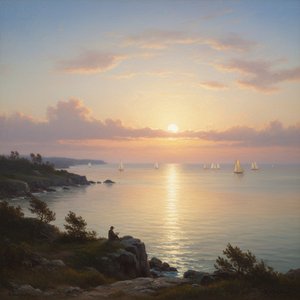
Художественият стил на Кийт все по-силно се свързва с тонализма и американската Баризонска школа – движения, които поставят настроението, атмосферата и субективния опит над строгия реализъм. Тази промяна се задълбочава още повече от приятелството му с Джон Мюир, известния натуралист и защитник на природата. Споделеното им шотландско наследство и преклонението пред калифорнийските планини изграждат дълбока връзка, като Мюир насърчава Кийт да изобразява природата автентично, докато самият художник се стреми да изрази нейната духовна същност чрез изкуството си. Влиянието на шведборгския свещеник Джоузеф Уорснюорт след смъртта на първата му съпруга, Елизабет, също игра значителна роля, водейки Кийт към вдъхването на пейзажите му с чувство за трансцендентна красота и духовна рефлексия. По-късната му колаборация с колега тоналист Джордж Инес през 1890-те години допълнително прецизира техниката му, акцентирайки върху фините тонални вариации и атмосферните ефекти. Кийт вярваше, че самото техническо умение е недостатъчно; истинското изкуство изисква предаване на емоции и духовни усещания. През цялата си плодотворна кариера – той създава над 4000 маслени картини – Кийт последователно се стреми да улови не само това, което *вижда*, но и това, което *чувства*, когато е погълнат от природния свят. Той се радва на покровителството на архитекта Даниел Бърнъм, който разпознава силата и красотата на неговата работа. Пътуването до Аляска през 1886 г. му предоставя материал за илюстрации към „Живописната Калифорния“ на Джон Мюир, демонстрирайки многообразието на Кийт и способността му да улавя различни пейзажи.Признание и трайно влияние
Уилям Кийт получава широко признание още приживе, излагайки обширно от 1870-те години насам, включително чрез участие в международни експозиции. Посмертната почест на цяла зала, посветена на неговата работа, на Международната панама-тихоокеанска експозиция през 1915 г., стои като свидетелство за неговия значителен принос към американското изкуство. Днес Музеят на изкуството в Колежа „Сейнт Мери“ в Морага, Калифорния, пази над 170 негови произведения, гарантирайки, че бъдещите поколения ще могат да изпитат красотата и дълбочината на неговото виждане. Историческото значение на Кийт се състои не само в неговата пионерска роля при утвърждаването на калифорнийския пейзаж като самостоятелен жанр, но и в способността му да свърже европейските художествени традиции с американската тематика и чувствителност. Той беше майстор на атмосферата, способен да предизвика чувство за спокойствие, трепет и духовна връзка чрез фината си употреба на цвят и светлина. Неговият тоналистичен стил повлия влияние върху следващите поколения художници, оставяйки незаличима следа върху развитието на пейзажната живопис в Америка. Той предостави безценни визуални записи на природната красота на Калифорния по период на бързи промени и развитие, улавяйки един мимолетен момент от време, преди пейзажът да бъде необратимо променен от човешката намеса. Наследството на Кийт оцелява като напомняне за силата на изкуството да ни свързва с природата, да вдъхновява размисъл и да разкрива духовните измерения на света около нас.Въпроси и отговори
Как мога да проследя творчеството на Уилям Кит” година по година?
Творбите на Уилям Кит” могат да бъдат разгледани в хронологичен ред на страницата Хронология на произведенията на художника.
Кога и къде е роден/а Уилям Кит”?
Уилям Кит” е роден в Олдмелдурам през 1838 г.
Къде могат да бъдат намерени произведенията на Уилям Кит”, разпределени по теми?
Страницата Атлас по теми представя творбите на Уилям Кит” по теми.
Мога ли да посетя виртуален музей с творбите на Уилям Кит”?
Възможно е виртуално посещение: страницата 3D Музей на Уилям Кит” представя творбите на художника в триизмерна галерия.
От коя държава е Уилям Кит”?
Уилям Кит” е роден в Шотландия.
Мога ли да разгледам творбите на Уилям Кит” чрез ключови думи?
Работите на Уилям Кит” могат да бъдат разгледани по ключови думи на страницата за произведения на Уилям Кит” чрез По ключови думи. Всяка ключова дума групира съответните произведения на изкуството.
В кой град и държава е роден/а Уилям Кит”?
Уилям Кит” е роден в Олдмелдурам, Шотландия.