Съдържание
Бързи факти
- Museums on APS:
- Алте Пинакотека
- Алте Пинакотека
- Алте Пинакотека
- Алте Пинакотека
- Алте Пинакотека
- Nationality: Франция
- Creative periods: mature period
- Works on APS: 161
- Room fit: дневна
- Vibe: спокоен
- Also known as:
- Мартен Шонгхуаер
- Хюбшщ Мартен
- Каспар Шонгхуаер
- Gift suitability: other-none
- Movements: northern renaissance
- Lifespan: 41 years
- Top-ranked work: Мадона на розов градина
- Copyright status: Public domain
- Разгърни скритите подробности
- Best occasions:
- акцент
- декларация
- Art period: Ренесанс
- Top 3 works:
- Мадона на розов градина
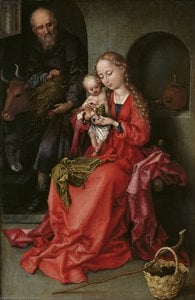
- The Holy Family
- The Holy Family
- Typical colors:
- земни тонове
- топли цветове
- Mediums: гравиране
- Emotional tone:
- духовен
- замислен
- Died: 1491
- Corpus themes:
- schongauer's technical mastery
- netherlandish realism
- netherlandish realism influence
- early renaissance influence
- northern renaissance detail
- Topics explored:
- saints
- religious
- virgin mary
- medieval art
- women
- Born: 1450, Коломбър, Франция
- Color intensity:
- балансиран
- ярък
Тест за изкуство
Има само един верен отговор за всеки въпрос.
Въпрос 1:
Кой е най-известният немски художник преди Албрехт Дюрер, който се слави със своите инкрустирани гравюри?
Въпрос 2:
В коя страна е роден Мартин Шонгауер?
Въпрос 3:
Каква е основната характеристика на художествения стил на Мартин Шонгауер?
Въпрос 4:
Кой художник е изучавал една от гравюрите на Мартин Шонгауер – „Тържеството на Свети Антоний“?
Въпрос 5:
Каква е основната роля на Мартин Шонгауер в развитието на инкрустирането?
Всички статии

The Radiant Dusk of Medieval Vision: Exploring Late Gothic Art's Synthesis of Faith, Form & Emotionality (c. 1300-1500)
Explore the exquisite beauty & spiritual depth of Late Gothic art (c. 1300-1500). Discover key artists, symbolism, and its lasting influence on the Renaissance. Expert insights at ArtsDot.


Beyond Borders: The Spiritual & Stylistic Innovations of International Gothic Art
Explore the exquisite beauty & spiritual depth of International Gothic art. Discover key artists like Simone Martini & Pol de Limbourg, its origins, symbolism, and lasting influence on European painting. Expert insights at ArtsDot.

Rogier van der Weyden: Emotion, Innovation & the Early Netherlandish Renaissance
Explore the revolutionary art of Rogier van der Weyden, a pivotal figure of the Early Netherlandish Renaissance. Discover his emotional realism, innovative compositions, and lasting impact on painting history.