Меню
БЕЗПЛАТНА КОНСУЛТАЦИЯ ЗА ИЗКУСТВО

Джон Уотъун

1682 - 1764

Бързи факти

  • Copyright status: Public domain
  • Born: 1682, Снитърфийлд, Великобритания
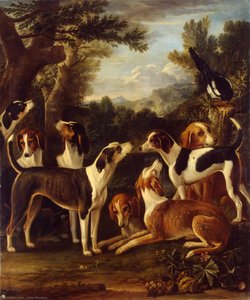
  • Top-ranked work: Hounds and a Magpie
  • Died: 1764
  • Movements:
    • baroque
    • neoclassicism
  • Vibe: елегантно
  • Room fit: дневна
  • Art period: Ранномодерна епоха
  • Creative periods: mature period
  • Corpus themes:
    • aristocratic leisure
    • classical composition
    • rococo elegance
  • Разгърни скритите подробности
  • Top 3 works:
    • Hounds and a Magpie
    • The Shooting Party
    • Portrait of Coplestone Warre Bampfylde (1720-96) in front of Hestercombe House with his huntsman c.1740
  • Nationality: Великобритания
  • Works on APS: 56
  • Mediums: масло върху платно
  • Typical colors: фталозелено
  • Topics explored:
    • landscape
    • hunting
    • british art
    • 18th century
    • equestrian
  • Color intensity: балансиран
  • Also known as: Няма други известни имена
  • Lifespan: 82 years
  • Best occasions: декларация

Тест за изкуство

Има само един верен отговор за всеки въпрос.

Въпрос 1:
Какъв е най-известният жанр на творбите на Джон Уотън?
Въпрос 2:
Кой художник значително повлия върху стила на Уотън относно пейзажите, като го накара да включи класически елементи?
Въпрос 3:
Ранното художествено обучение на Уотън вероятно се провежда под ръководството на кой художник?
Въпрос 4:
Какво беше често изобразено в картините на Уотън, отразявайки интересите на британската аристокрация?
Въпрос 5:
Въпреки че беше високо оценено през неговото време, кой по-късно художник превъзхожда Уотън в живопис на коне поради по-голяма анатомична точност?

A Pioneer of Sporting Art: The Life and Legacy of John Wootton

John Wootton, born around 1686 in the quaint Warwickshire village of Snitterfield, near Stratford-upon-Avon, emerged as a pivotal figure in the development of British sporting art. While precise details of his early life remain somewhat elusive, it is believed he entered the service of the esteemed Beaufort family at a young age, an experience that likely fostered his deep connection to equestrian pursuits and the aristocratic world surrounding them. His artistic journey began with formal training under Jan Wyck during the 1690s, where he honed fundamental skills in draftsmanship and painting techniques – a foundation upon which he would build a remarkably successful career. Even in these early years, Wootton demonstrated an innate talent for capturing the essence of horses, as evidenced by his earliest known work, “Bonny Black” (1711), a piece that foreshadowed his future mastery of equine portraiture.

Early Life and Artistic Training

Little is known about Wootton’s formative years beyond his birthplace and familial connections. However, records indicate he received instruction from Jan Wyck, a Flemish painter renowned for his meticulous realism and masterful use of light and shadow – an influence that would permeate Wootton's artistic sensibilities throughout his career. This early exposure to Wyck’s techniques instilled in him a disciplined approach to observation and representation, shaping his subsequent stylistic choices. It was during this period that Wootton began to develop his distinctive style, characterized by exceptional detail and a profound understanding of equine anatomy.

Establishing a Reputation: Newmarket and Patronage

By 1706, Wootton had firmly established himself in London, quickly gaining recognition for his depictions of horses, particularly those gracing the racing scene at Newmarket – Britain’s premier equestrian center. He wasn't merely documenting these animals; he was capturing their spirit, their power, and their individual character with an unprecedented level of detail and sensitivity. This specialization brought him into close contact with Britain’s elite – a patronage that included figures like George II and Frederick, Prince of Wales. Wootton actively engaged with the artistic community, subscribing to the first English Academy of Painting and Drawing in 1711 and later serving as a steward of the Virtuosi Club of St Luke’s by 1717, demonstrating his commitment to fostering artistic discourse and collaboration.

Innovating Landscape Style: The Influence of Gaspard Dughet

Wootton's contribution extended beyond simply painting horses. He was a key figure in introducing what became known as the “ideal landscape” to British art – a style heavily influenced by artists like Gaspard Dughet (also known as Gaspar van Wittel). By incorporating classical elements into his landscapes, he offered a refreshing alternative to the prevailing Dutch and Flemish styles, laying the groundwork for future generations of British landscape painters. Wootton’s meticulous attention to perspective, composition, and atmospheric effects elevated landscape painting beyond mere decorative representation, transforming it into a vehicle for conveying emotion and intellectual contemplation.

Major Works and Legacy

Wootton's oeuvre encompasses a vast array of subjects – battle scenes, equestrian portraits, hunting landscapes—each imbued with remarkable precision and expressive power. Notable masterpieces include “Bonny Black” (1711), “Before the hunt,” and “The Bloody-Shouldered Arabian,” which exemplify his unparalleled skill in capturing equine likenesses and conveying movement and dynamism. His landscapes, such as “Viscount Weymouth’s Hunt,” demonstrate a masterful command of artistic technique and contribute to the enduring fascination with Wootton's work. He bridged the gap between earlier traditions and the emerging styles that would define 18th-century British art. Today, Wootton’s works are held in prestigious collections worldwide – including the Tate Gallery (London), the Virginia Museum of Fine Arts (Richmond), and the Yale Center for British Art – ensuring his legacy continues to be appreciated by art enthusiasts. He stands as a testament to the power of observation, innovation, and the enduring appeal of capturing the beauty and dynamism of both the natural world and the aristocratic pursuits that defined his era.