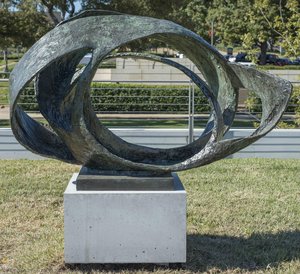
Ранен живот, семейство и обучение
Барбара Хъпърт е родена на 10 януари 1903 г. във Уейкфийлд, Уест Райдинг на Йоркшир, Англия. Тя е първото дете на Гертруда и Хърбърт Хъпърт. Нейният баща е работил като строителен инженер за Съвета на графство Уест Райдинг – този професионален произход осигурява на нейното възпитание практическа и структурна основа. Тази ранна среда в Йоркшир оформя пространственото съзнание, което по-късно ще дефинира нейния уникален подход към триизмерната форма.
Формалното ѝ образование започва в училището за момичета във Уейкфийлд. Този академичен старт я води през 1920 г. в Школата по изкуства в Лийдс, където тя започва да развива техническата дисциплина, необходима за сериозно изследване на скулптурата. През 20-те години на миналия век тя се премества в Лондон, за да учи в Кралския колеж по изкуства. Този период на обучение е от съществено значение за установяване на интелектуалната строгост, която отличава творчеството ѝ от обикновената декорация. Тя не просто изучава занаят; тя овладява сложната връзка между материята и празнотата.
Годините на формирането и ранната кариера
Ранната професионална траектория на Барбара Хъпърт е дефинирана от поредица от значителни лични и артистични промени, които отразяват радикалното преобразяване на британския модернизъм. През май 1925 г. тя се омъжва за скулптора Джон Скипинг във Флоренция. Този период е белязан от прехода към директното ваене – метод, който изисква физическо, непосредствено взаимодействие с камъка и дървото. Към 1931 г. личният и творческият ѝ живот претърпява друга трансформация, когато се влюбва в художника Бен Николсън. Тази връзка е част от по-голямо, интензивно интелектуално кръг от модернисти, центриран около Хампстед в Лондон. Тези социални и романтични пресечните точки не са били просто разсейвания; те са били тиглите, в които нейният подход към пространството и формата е бил тестван срещу господстващите тенденции на епохата.
Разпадът на първия ѝ брак през март 1933 г. сигнализира за отход от по-ранните ѝ, по-фигуративни изследвания. По-късно тя се омъжва за Бен Николсън през 1938 г. – съюз, който затвърждава позицията ѝ в авангарда на британската абстракция. През тези години творчеството ѝ се отдалечава от репрезентативните традиции, стремясь вместо това да дестилира същността на формата чрез по-редуктивен, геометричен език. Този преходен период я води от изучаването на древните монументи към едно изтънчено разбиране за това как негативното пространство функционира като структурно елемент. Нейното развитие не е било линейна прогресия, а поредица от съзнателни, често трудни разкъсвания с миналото.
Движението „Unit One“
През 1933 г. Барбара Хъпърт допринася за основаването на артистичното движение „Unit One“ — колектив, който фундаментално променя траекторията на британския модернизъм. Заедно с Бен Николсън, Пол Наш и редица други творци, тя работи за преодоляване на пропастта между сюрреализма и абстракцията. Това не беше просто стилистично предпочитание, а съзнателна опит за обединяване на тези две доминиращи сили в британската арт сцена. Движението се стреми да разчупи традиционните граници на репрезентацията, търсейки нов визуален език, способен да обхване сложните нюанси на модерната ера.
Въздействието на този период се усеща в начина, по който Барбара Хъпърт преминава от ранните си фигуративни експерименти към по-строг, абстрактен речник. Тази промяна не е изолирано развитие, а част от по-широко, координирано усилие на групата „Unit One“ да отдалечи британското изкуство от провинциализъм и да го насочи към международната авангарда. Участието ѝ в този кръг затвърждава позицията ѝ на централна фигура в движение, което поставя съществените качества на формата и пространството пред буквалното изображение.
С наближаването на Втората световна война фокусът на тази артистична общност се измества географски. Барбара Хъпърт се превръща в водеща фигура сред общността от художници, пребиваващи в Сейнт Айвс, Корнуоъл. Това преместване превръща крайбрежния град в значим център за модернистка мисъл. Концентрацията на таланти в Сейнт Айвс позволява продължително изследване на връзката между абстрактната форма и естествения пейзаж, гарантирайки, че радикалното мислене, подкрепено от „Unit One“, остава в сърцето на развитието на британската скулптура.
Техника и артистичен стил
Подходът на Барбара Хъпърт към модерната скулптура е дефиниран от строга и непоколебима привърженост към директното ваене. Вместо да моделира глина, която по-късно да бъде отлита, тя работи директно върху материала, позволявайки на неговата същност да диктува крайната форма. Този метод изисква непосредствено, физическо взаимодействие с материята на произведението. Чрез дълбоко изсекване и филигранно ваене тя оформя мрамор и дърво, като често оцветява кухините на своите форми, за да манипулира взаимодействието на светлината и сянката с вътрешните повърхности. В много от своите произведения тя отива още по-далеч, като свързва страните на скулптурите си с жица или конец, създавайки буквално напрежение между отделните части на един единствен обект.
Най-значимото ѝ принос към езика на абстракцията е майсторското използване на негативното пространство. Въвеждайки разкрити празноти в своите скулптури, тя трансформира дупката от просто липса на материя в основополагащ структурен елемент. Тези отвори не просто създават пролом; те установяват дълбока връзка между обекта и пространството, което го обгръща. Тази техника принуждава зрителя да приеме въздуха вътре в формата като осезаема част от композицията. Резултатът е магическо напрежение между присъствие и отсъствие, което дефинира нейната модернистка естетика.
- Pierced Form (1932)
- Single Form (Chûn Quoit) (1961)
- Two Forms (1937)
- Oval Form (Trezion) (1962)
Ключови произведения и скулптурни иновации
Най-значимото принос на Барбара Хъпърт към модерната скулптура е нейното радикално използване на негативното пространство. През 1931 г. тя въвежда пробитата форма – техника, която трансформира празнотата от просто липса на материя в основополагащ структурен елемент. Този прелом отдалечи скулптурата от тежката, солидна маса и я насочи към дълбоко изследване на взаимодействието между светлината, пространството и материала. Нейният творчески пробив настъпва през 1937 г. с произведението Oval Form (Trezion), работа, която затвърждава нейното майсторство при овладяването на тези геометрични, кухи обеми. Чрез прорязване на самата същност на материала, тя принуждава зрителя да признае пространството вътре като толкова жизнещо, колкото и самия материал.
Способността ѝ да балансира органични теми с прецизна абстракция е очевидна в творчеството ѝ от 30-те години на миналия век, представлено от шедьовъра Mother and Child. Тази скулптура демонстрира как тя успява да дестилира сложните човешки взаимоотношения в опростени, заоблени форми. По-късно техническият ѝ обхват се разширява, включвайки интеграцията на нескулптурни материали. През 1956 г. тя създава Stringed Figure (Curlew), в която използва памучни нишки, за да свърже дървените форми, създавайки физическо напрежение, което отразява вътрешната геометрия на скулптурата. Този метод подчертава връзката между различните части на един единствен обект чрез буквално, тактилно свързване.
Мащабът на нейното виждане достига монументално ниво с Single Form. Този двадесет и една-футова, петтонна бронзова скулптура е създадена като паметник на Даг Хамаршилд. Тя остава дефинитивен пример за това как абстрактният език на Барбара Хъпърт може да се превърне в масивни, публични структури, без да губи фокуса си върху същността на формата.
Потекло и последни години
Последната глава от творческия път на Барбара Хъпърт е неразривно свързана със Сейнт Айвс, Корнуолу. След като през септември 1949 г. придобива студиото „Трюин“, тя остава в тази вълнуваща крайбрежна среда за цели 26 години. Този период бе белязан от значително разширяване на мащаба и сложността на нейното творчество. За да се справи с огромните изисквания на своята практика, от 1949 г. насам тя работи с 16 асистенти – необходимост, продиктувана от тежкия физически труд, който изискваха нейните мащабни дърворезни скулптури и бронзови отливки.
Животът ѝ приключи внезапно през 1975 г. Пожар в студиото отне живота ѝ на 72-годишна възраст. Инцидентът се случи в самото място, където тя беше живяла и творила в продължение на повече от две десетилетия. Този внезапен финал остави след себе си богато наследство от произведения, които бяха преминали решително от фигуративния стил към една строга, пречистена и съвършена абстракция.
Наследство и музейни колекции
Влиянието на Барбара Хъпърт продължава да живее чрез институционалните структури, които съхраняват нейното физическо творчество. Музеят The Hepworth Wakefield във Уейкфийлд, Обединено кралство, носи нейното име и поддържа значително присъствие в родния ѝ регион. Този музей притежава над 400 от нейните скулптури и рисунки, гарантирайки, че нейният специфичен подход към формата и пространството остава достъпен за широката публика. Колекцията осигурява пряка връзка с нейното развитие като скулптор, проследявайки пътя ѝ от ранните фигуративни експерименти до по-късните, по-абстрактни шедьоври.
В Сент Айвс, Корнуол, Музеят и градината на скулптурата на Барбара Хъпърт предлага съвсем различен вид памет. Това място съхранява нейното ателие и градина в състоянието, в което са били по време на нейния живот и творческа дейност. То функционира като неподвижна точка на референция за нейната практика, разкривайки как средата около нея е оформяла нейната естетика. През 1980 г. семейството ѝ прехвърля музея към галерия Tate, осигурявайки дългосрочното му оцеляване като част от една от най-големите национални колекции.
Къде могат да се видят творбите днес
Физическото присъствие на Барбара Хъпърт в света на изкуството остава дълбоко вкоренено в музея The Hepworth Wakefield във Уейкфийлд, Обединено кралство. Тази институция притежава значителна част от нейното творческо наследство, предлагайки концентриран поглед върху еволюцията на нейната скулптура. Колекцията там позволява директно съприкосновение с начина, по който тя овладява материала и манипулира пространството чрез своите характерни пробити форми.
Извън Обединеното кралство, влиянието ѝ е разпръснато в няколко големи международни колекции. В Съединените щати Кимбъл Арт Музей във Форт Уорт съхранява „Oval Form (Trezion)“. Това произведение демонстрира способността ѝ да овладява обема чрез бронза. По същия начин Музеят за изкуства в Ню Орлиънс притежава „River Form“ – творба, която подчертава нейната ангажираност с органичните, плавни форми. Тези локации гарантират, че работата ѝ остава част от глобален диалог, а не просто от локално явление.
Обхватът на нейната практика се простира до Арт галерия Окълнд Toi o Tāmaki, която съхранява „Torso II (Torcello)“. Виждането на тези произведения в тяхната институционална среда разкрива мащаба и материалната реалност на нейната абстракция. Скулптурите ѝ изискват специфичен тип възприемане, който налага движение около обекта, за да се разбере връзката между солидната маса и празнотата.
Въпроси и отговори
Мога ли да разглеждам творбите на Барбара Хъпърт по настроение?
Работите на Барбара Хъпърт могат да бъдат разгледани по настроение на страницата Пространство по настроение, където произведенията са подредени според тяхното емоционално състояние.
Как се развива изкуството на Барбара Хъпърт с течение на времето?
Хронология на Барбара Хъпърт е хронологична линия с функция за превъртане, която представя творбите на художника в хронологичен ред, групирани по периоди от кариерата му.
В кои художествени направления е работил/а Барбара Хъпърт?
Страницата Всички художествени направления групира произведенията на Барбара Хъпърт според тяхното художествено направление.