A Tapestry of Cultures: Exploring the National Museum of Ethnology, Lisbon
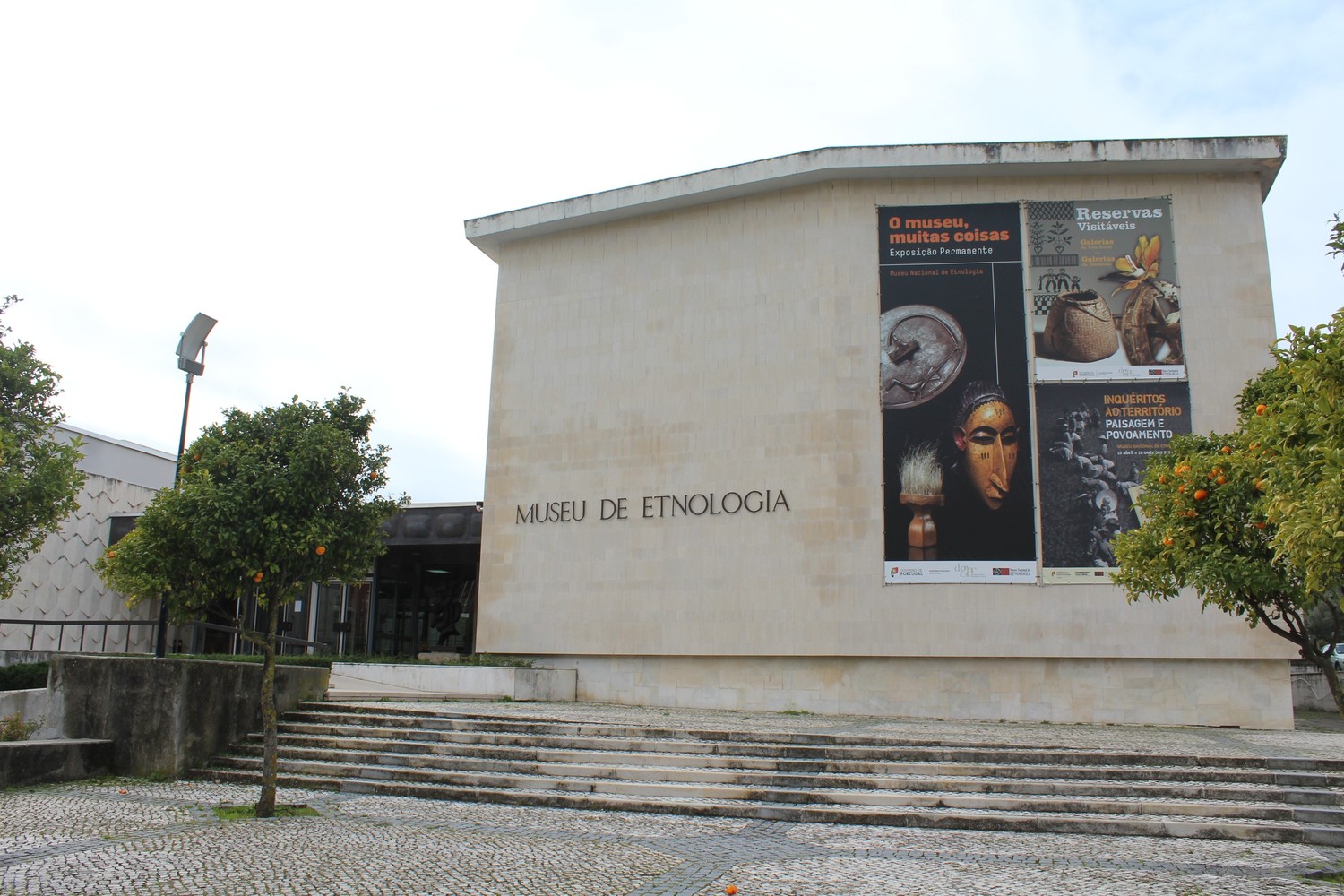
Nestled in the heart of Lisbon, Portugal’s National Museum of Ethnology stands as a beacon of cultural understanding and a testament to the transformative power of anthropological inquiry. Opened in 1976 and thoughtfully expanded in 2000, its modern architecture—designed by José Luís Sertório—serves as an elegant counterpoint to the rich tapestry of artifacts housed within its walls: over 40,000 objects meticulously gathered from Africa, Asia, South America, and Portugal itself. More than just a passive repository of relics, it’s a dynamic space actively engaged in reshaping perspectives on global heritage and fostering dialogue about history's complexities.
-
Origins & Pioneering Spirit:
Founded in 1965 by Jorge Dias and his team, the museum represents Portugal’s embrace of social anthropology—a decisive shift away from mere object accumulation towards immersive fieldwork and contextual interpretation. This foundational commitment to documentation is palpable throughout the exhibits, prompting visitors to consider not just *what* objects are present but *how* they were created, *who* crafted them, and the narratives woven into their very existence.
-
Diverse Collections:
The museum’s holdings boast extraordinary breadth, encompassing everything from the mesmerizing artistry of Balinese Wayang Kulit shadow theatre—a captivating form of storytelling rooted in ancient epics—to the profound symbolism embedded within Malian masks and the intricate puppets of southwestern Angola. Each piece offers a window into distinct traditions and artistic practices.
Decolonizing Perspectives: A Museum in Dialogue with Its Past
Recognizing that many of its extra-European collections originated during periods of colonialism, the museum undertakes a courageous mission of decolonization—a process extending far beyond simple acknowledgment. Exhibitions like “Deconstructing Colonialism, Decolonising the Imaginary” confront visitors with uncomfortable truths and compel them to contemplate the ethical considerations inherent in collecting practices throughout history. This proactive stance underscores the museum’s dedication to fostering critical reflection on cultural representation and challenging dominant narratives.
-
Permanent Collection:
The “The Museum, Many Things” exhibition showcases objects from Portugal, Indonesia, Angola, and Mali presented not as isolated items but as interconnected threads within a larger global narrative. It pays homage to the visionary work of early Portuguese ethnologists—Jorge Dias, Margot Dias, Fernando Galhano, Ernesto Veiga de Oliveira, and Benjamim Pereira—whose unwavering dedication established the museum’s enduring legacy.
-
Portuguese Folk Art:
A significant portion of the collection delves into Portugal's vibrant traditions, comprising over 11,600 objects amassed primarily in the 1930s and 40s. These artifacts reveal the spirit of rural Portuguese life—from exquisitely embroidered textiles to rustic tools and evocative religious iconography—demonstrating the enduring beauty of cultural heritage.
Notable Exhibitions & Research Hub
Beyond its physical treasures, the National Museum of Ethnology functions as a thriving research center. Its extensive archives—populated by photographs, films, recordings, and multimedia resources—provide invaluable tools for scholars investigating global cultures. This ongoing commitment to knowledge creation ensures that the museum remains at the forefront of ethnographic studies, constantly adapting its understanding of human experience and contributing to scholarly discourse.
-
Architectural Significance:
Sertório’s design prioritizes natural light and spatial openness, creating an environment conducive to contemplation and fostering a connection between visitors and the displayed artifacts.