1

نسخة زيتية مرسومة يدوياً لـ $183 28 × 35 cm
بنفس حجم العمل الأصلي $189 31 × 38 cm اطلب بالمقاس الأصلي →
احصل عليها مرسومة يدوياً
اقرأ قصتها


تحديث نوفمبر 2026 · مُرتبة حسب مؤشر شعبيتنا (عمليات البحث، والزيارات، والطلبات لكل عمل فني) · 1 من أعمال Stuart Park في كتالوجنا
باختصار
اللوحة الأكثر شهرة للفنان Stuart Park هي White Hydrangea (1890)، ويمكنك مشاهدتها في Yale Center for British Art، نيو هيفن. من بين 1 من أعمال Stuart Park في كتالوجنا، تُعد هذه 1 الأعمال هي الأكثر شهرة. يأتي كل عمل مع سنة إنتاجه، والمتحف الذي يضمّه، وملاحظة موجزة حول ما يجعله متميزاً.
المتاحف 1 التي تضم أكبر عدد من اللوحات الموجودة في هذه الصفحة.
| المتاحف | المدينة | أعمال Stuart Park | لوحات من هذه القائمة |
|---|---|---|---|
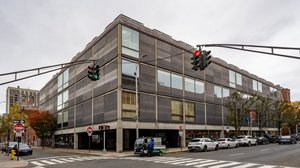 Yale Center for British Art |
نيو هيفن | 1 | White Hydrangea |
1890 هو العام الذي أُنتجت فيه جميع أعمال Stuart Park المؤرخة في هذه الصفحة. إليكم هذه الأعمال، مرتبة من الأكثر شهرة.
اختر سنة لعرض أعمالها.
في مقدمة القائمة White Hydrangea (1890).
عمره 28 عاماً. وُلد Stuart Park في 1862، ويعود تاريخ White Hydrangea إلى 1890.
لدينا 1 من أعمال Stuart Park في كتالوجنا.
ستجد معظمها في Yale Center for British Art (نيو هيفن). وتوفر قائمة المتاحف أعلاه تفصيلاً كاملاً.
نعم. كل لوحة في هذه الصفحة متاحة كنسخة زيتية مرسومة يدوياً أو كمطبوعة، بالمقاس الذي يناسبك. ما عليك سوى فتح صفحة اللوحة للطلب.
Born in Kidderminster, United Kingdom, James Stuart Park lived through a period of significant change in the way artists perceived light and form. His early years were spent in Ayrshire, a setting that likely helped shape his connection to the natural world. He eventually moved to Glasgow to study at the Glasgow School of Art, where he built a foundation in the technical requirements of his craft. This training was only the beginning of a long search for a personal way of seeing.
His path eventually led him away from the familiar landscapes of Scotland and into the heart of the European art scene. By studying in Paris, he learned from established masters such as Lefebvre, Cormon, and Boulanger. These years in France allowed him to absorb the sophisticated techniques of the French school, which he would later bring back to his home country. He did not return to Glasgow merely as a student, but as an artist with a new perspective on how to handle color and light.
Upon his return to Scotland, Park became part of a group of artists known as the Glasgow Boys. This circle sought to move away from the rigid, academic styles that had dominated the previous era. Working alongside contemporaries like David Gauld and James Kay, he helped create a space where art could feel more immediate and less formal. His work during this time began to focus heavily on the natural world, particularly through his studies of flowers.
His approach to still life was distinct. He often chose to paint his subjects against dark, contemplative backgrounds. This choice allowed the colors of the flowers to emerge with a specific intensity. He focused on the following elements in his compositions:
To look at a Park original is to see the physical presence of the paint itself. He used an impasto technique, layering thick pigments to create surfaces that have a palpable weight. He did not simply apply color; he sculpted it onto the canvas. This tactile method allowed him to bridge the gap between the precise detail of traditional still life and the loose, expressive brushwork of Impressionism. A single rose in his work might feel as heavy and velvety as the real thing.
His palette was often a study in harmony. He favored colors that felt quiet and steady, such as soft pinks, delicate mauves, and pristine whites. This restraint ensured that the focus remained on the structure and the light of the subject. By the time of his death in Kilmarnock, he had established a way of painting that honored the natural beauty of his subjects while embracing a modern, textured sensibility.