بيتر كريستيان سكوفغارد: سيد المناظر الطبيعية الرومانسية الدنماركية
يُعد بيتر كريستيان سكوفغارد اسماً مرادفاً لـ العصر الذهبي للرسم الدنماركي، فقد كان أكثر من مجرد فنان للمناظر الطبيعية؛ بل كان مؤرخاً لروح أمة بأكملها. وُلد في عام 1817 بالقرب من رينغستيد ورحل عن عالمنا في عام 1875، وقد كرس حياته لالتقاط جوهر المناظر الطبيعية المتنوعة في الدنمارك – من التلال المتموجة في يوتلاند إلى الخطوط الساحلية الدرامية والغابات الكثيفة في زيلاند. ويستند إرثه الفني بشكل أساسي إلى تصويراته واسعة النطاق لهذه المشاهد، المصبوغة بحس رومانسي لامس وجدان معاصريه بعمق، ولا يزال يأسر المشاهدين حتى يومنا هذا. اتسمت حياة سكوفغارد المبكرة بمزيج من الامتياز والاضطراب؛ فبينما ينحدر من عائلة مزارعة، انتقلت عائلته وهو في السادسة من عمره إلى فيبي في شمال شيلاند، حيث أسس والده متجراً للبقالة. ومنذ نعومة أظفاره، أظهر سكوفغارد موهبة فنية استثنائية، رعتها والدته التي تلقت تعليمها في رسم الزهور على يد كلوديوس ديتليف فريتش. وقد وضعت هذه البداية المبكرة حجر الأساس لطموحاته المستقبلية، مما قاده إلى كوبنهاجن والالتحاق بالأكاديمية الملكية الدنماركية للفنون في عام 1831. ومع ذلك، لم يكن تدريب سكوفغارد في الأكاديمية كافياً لإشباع شغفه؛ إذ لم يجد الإلهام الحقيقي في التعليم الرسمي، بل من خلال الدراسة المستقلة والانغماس في التقاليد الفنية السائدة في ذلك العصر. وبدلاً من الالتزام الصارم بالمذاهب الأكاديمية، أعطى سكوفغارد الأولوية للتعلم التجريبي؛ حيث قضى ساعات لا تُحصى في دراسة مجموعات المتحف الوطني للفنون (الذي كان يُعرف سابقاً بمجموعة الرسم الملكية الدنماركية)، محللاً بدقة أعمال أساتذة المناظر الطبيعية الهولندية الكلاسيكيين – فنانين مثل ياكوب فان رويسديل ويان بوث – ممتصاً تقنياتهم وفهمهم العميق للضوء والأجواء. ولم تكن دراساته الميدانية في الهواء الطلق مع مجموعة من زملائه الفنانين الشباب، بمن فيهم كريستيان غوتفريد رامب، وجي ث. لوندبي، وثورالد ليسو، ودانكفارت درير، ولورينز فروليك، أقل أهمية؛ إذ وفرت هذه الرحلات إلى الريف الدنماركي خبرة مباشرة لا تقدر بثمن، مما ساهم في تشكيل رؤيته الفريدة وسمح له بالتواصل الوثيق مع العالم الطبيعي. كما ساهم تأثير صالون هيرمان إرنست فروند، الذي كان مركزاً للنقاش الفني والتجريب، في توسيع آفاق سكوفغارد، حيث عرّضه لأفكار جديدة وعزز وجود مجتمع إبداعي حيوي. ومن الجدير بالذكر أن كريستوفر ويليام إيكربيرغ، الأستاذ الموقر في الأكاديمية والمدير السابق، لعب دوراً محورياً من خلال تشجيعه على الدراسات الميدانية في "يغرزبورغ ديرهافي"، وهي المنطقة التي أصبحت موضوعاً متكرراً في أعمال سكوفغارد الناضجة.تطور أسلوب فني فريد
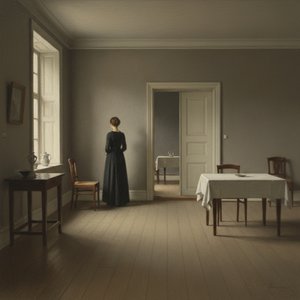
لم تكن رحلة بيتر كريستيان سكوفغارد الفنية محصورة في أروقة الدراسة الأكاديمية فحسب، بل سعى بنشاط وراء تجارب تعليمية بديلة، حيث أدرك القيمة الجوهرية لفن الحرفية، مؤمناً بأنها تمنح فهماً أعمق للمواد والتقنيات. وقد شملت أعماله المبكرة، في كثير من الأحيان، لوحات شخصية، ومشاهد داخلية تضم شخصيات، بالإضافة إلى رسومات مائية لقصص هانس كريستيان أندرسن، مما عكس براعته وتنوع مواهبه واستعداده لاستكشاف أنواع فنية مختلفة. ومع ذلك، فإن رسم المناظر الطبيعية أصبح تدريجياً محور تركيزه الأساسي، ليتوج بأسلوب متميز يتسم بـ إضاءة درامية، ومنظور جوي، وإحساس يكاد يكون ملموساً بالحالة المزاجية والوجدانية. كثيراً ما جسدت لوحاته الجمال القاسي للريف الدنماركي، وغالباً ما كانت مشبعة بمسحة من الشجن أو التأمل الذاتي. وبخلاف بعض معاصريه الذين انغمسوا في تصوير مشاهد رعوية مثالية، كانت مناظر سكوفغارد الطبيعية غالباً ما تتسم بالواقعية الصارمة والصلابة، حيث عكست الحقائق القاسية للطبيعة، بينما كانت في الوقت ذاته تنقل تقديراً عميقاً لقوتها وجلالها. وتعد لوحة "إطلالة نحو فريدريكسفيرك من غابة تيسفيلد" (1839)، التي استحوذت عليها مجموعة الرسم الملكية الدنماركية، نموذجاً مثالياً لهذا النهج؛ فهي تقدم رؤية درامية، تكاد تكون تنذر بالخطر، للمشهد الطبيعي، مع مسحة من الكآبة المظلمة التي ميزتها عن التصويرات التقليدية السائدة في ذلك العصر.الأعمال الرئيسية والموضوعات البارزة
تزخر مجموعة أعمال بيتر كريستيان سكوفغارد بمناظر طبيعية أيقونية، تمنح كل واحدة منها لمحة فريدة عن الريف الدنماركي الساحر. فعلى سبيل المثال، تجسد لوحة "التلال المكسوة بالغابات" (1864) العظمة المهيبة لغابات الزان، مما يعكس المشاعر الوطنية المتنامية التي كانت سائدة في عصره. وتكتسب تصويراته لغابة "تيسفيلد" شهرة خاصة، حيث تستعرض التضاريس الدرامية للمنطقة وأجواءها المليئة بالشجن. علاوة على ذلك، فإن اهتمام سكوفغارد الدقيق بالتفاصيل واستخدامه البارع لتقنيات الضوء والظل في أعمال مثل "مجموعة هيرشبرونغ" (إطلالة على فريدريكسفيرك) يبرز مهارته التقنية ورؤيته الفنية الفذة. وكثيراً ما كانت لوحاته تسلط الضوء على مواقع مألوفة مثل "فيباي"، حيث قضى معظم طفولته، مما خلق شعوراً بالألفة والارتباط العميق مع المناظر الطبيعية المحلية.الإرث والأهمية التاريخية
إن مساهمة بيتر كريستيان سكوفغارد في الفن الدنماركي هي مساهمة لا يمكن إنكارها، فهو يقف كواحد من أبرز الشخصيات المرتبطة بـ العصر الذهبي للتصوير الدنماركي، حيث اشتهر بلوحاته الطبيعية ذات النطاق الواسع التي نجحت في تجسيد روح الأمة. ولم تقتصر أعماله على توثيق الجمال الطبيعي للبيئة في الدنمارك فحسب، بل عكست أيضاً المشهد الفني والثقافي المتطور في أوروبا خلال القرن التاسين. إن تركيز سكوفغارد على الملاحظة المباشرة، مقترناً بفهمه العميق للضوء واللون والتكوين، قد رسخ مكانته كأستاذ في الرسم الرومانسي للمناظر الطبيعية؛ ذلك الفنان الذي لا يزال يلهم الإعجاب بقدرته الفائقة على ترجمة جوهر الطبيعة ونبضها على قماش اللوحة. واليوم، تُحفظ لوحاته في مجموعات فنية مرموقة حول العالم، بما في ذلك مجموعة هيرشسبرونغ في كوبنهاجن، مما يضمن بقاء إرثه الفني حياً للأجيال القادمة.الأسئلة والأجوبة
أين يمكنني مشاهدة أعمال بيتر كريستيان سكوفغارد الفنية مرتبة حسب الأجواء؟
يمكنك تصفح أعمال بيتر كريستيان سكوفغارد حسب الحالة المزاجية عبر صفحة ركن الأجواء الخاصة بالفنان، والتي ترتب الأعمال الفنية وفقاً لمشاعرها المسجلة.
كيف تنقسم المسيرة المهنية لـ بيتر كريستيان سكوفغارد إلى فترات زمنية؟
تتجلى المسيرة المهنية لـ بيتر كريستيان سكوفغارد مرحلة تلو الأخرى في صفحة مسيرة فنية: وهي عبارة عن خط زمني أفقي للأعمال الفنية، مُصنفة ضمن فصول تمثل كل حقبة من مسيرته.
كيف يمكنني العثور على جميع أعمال بيتر كريستيان سكوفغارد حسب الوسيط الفني؟
يمكن تصفح أعمال بيتر كريستيان سكوفغارد حسب الوسيط الفني عبر صفحة حسب الوسيط الفني.