

1



تحديث نوفمبر 2026 · مُرتبة حسب مؤشر شعبيتنا (عمليات البحث، والزيارات، والطلبات لكل عمل فني) · 5 من أعمال Kaj Ejstrup في كتالوجنا
باختصار
اللوحة الأكثر شهرة للفنان Kaj Ejstrup هي Self-Portrait (1932)، ويمكنك مشاهدتها في Statens Museum For Kunst، كوبنهاغن. يأتي بعدهما مباشرةً Women Bathing (1938) وLandscape, Odsherred (1942). من بين 5 من أعمال Kaj Ejstrup في كتالوجنا، تُعد هذه 5 الأعمال هي الأكثر شهرة. يأتي كل عمل مع سنة إنتاجه، والمتحف الذي يضمّه، وملاحظة موجزة حول ما يجعله متميزاً.


المتاحف 1 التي تضم أكبر عدد من اللوحات الموجودة في هذه الصفحة.
| المتاحف | المدينة | أعمال Kaj Ejstrup | لوحات من هذه القائمة |
|---|---|---|---|
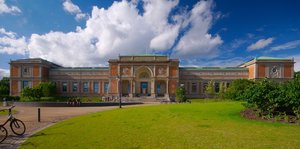 Statens Museum For Kunst |
كوبنهاغن | 5 | Self-Portrait, Women Bathing, Landscape, Odsherred |
اختر عقداً لتشاهد أبرز أعماله.
تتصدر القائمة لوحة Self-Portrait (1932)، في Statens Museum For Kunst, كوبنهاغن. وتليها مباشرةً: Women Bathing (1938) وLandscape, Odsherred (1942).
عمره 30 عاماً. وُلد Kaj Ejstrup في 1902، ويعود تاريخ Self-Portrait إلى 1932.
لدينا 5 من أعمال Kaj Ejstrup في كتالوجنا، وتتراوح تواريخها من 1932 إلى 1955.
ستجد معظمها في Statens Museum For Kunst (كوبنهاغن). وتوفر قائمة المتاحف أعلاه تفصيلاً كاملاً.
في 1930s، أكثر من أي وقت مضى: 2 من أصل 5 قطعة في هذه الصفحة تعود إلى تلك الفترة، من بينها Self-Portrait.
أقدم قطعة هنا هي Self-Portrait (1932)؛ وأحدثها هي View of Lammefjorden (1955).
يمكنك مشاهدة 5 من القطع الفنية في هذه الصفحة في Statens Museum For Kunst, كوبنهاغن، بما في ذلك Self-Portrait, Women Bathing و Landscape, Odsherred.
نعم. كل لوحة في هذه الصفحة متاحة كنسخة زيتية مرسومة يدوياً أو كمطبوعة، بالمقاس الذي يناسبك. ما عليك سوى فتح صفحة اللوحة للطلب.
Kaj Ejstrup was born in 1902, the adopted son of a customs official. His upbringing in Buddinge, just north of Copenhagen, set the stage for a life dedicated to visual expression. Though he did not find a place at the Royal Danish Academy of Fine Arts, his path remained focused on the craft. He spent time between 1931 and 1937 learning the intricacies of wood engraving under Aksel Jørgensen, a period that helped refine his technical skill and eye for detail.
By 1930, he had settled in Åsen near Ordrup in Odsherred. He lived in an old homestead near Skamlebæk until 1944, and even after leaving that specific home, he returned to the Odsherred region for extended periods every year. This connection to the land became the heartbeat of his creative life.
As a central figure in the Odsherred Painters, Ejstrup helped define a specific way of seeing the Danish countryside. His landscapes often capture the quietude of the northwest Zealand region. He frequently painted buildings, outhouses, and farm animals, sometimes including a human figure to ground the scene. His palette in these works remained limited, focusing on the essential colors of the earth and sky. He had a particular talent for depicting horses, often showing them in motion—running or jumping—which added a sense of sudden energy to an otherwise peaceful setting.
His approach changed when he turned his attention to people. While his landscapes were restrained, his figure paintings utilized more vivid colors and an expressive tone. His versatility extended beyond the canvas to include:
Ejstrup was a man of community within the art world, becoming a founding member of the Corner artists association in 1932. His work moved beyond the borders of Denmark, finding its way to galleries in Glasgow, Oslo, and Gothenburg. His contributions to Danish art were recognized in 1954 when he was awarded the Eckersberg Medal.
Today, his visual history is preserved in several important institutions. His paintings, woodcuts, and sculptures can be found in many of Denmark's art museums, including a large collection held at the Statens Museum for Kunst and much of his work housed at the Odsherreds Museum of Art.