


1

نسخة زيتية مرسومة يدوياً من $175 27 × 37 cm
بنفس حجم العمل الأصلي $211 41 × 54 cm اطلب بالحجم الأصلي →
اطلب هذه القطعة
المزيد عن هذه القطعة


تحديث أكتوبر 2026 · مُرتبة حسب مؤشر شعبيتنا (عمليات البحث، والزيارات، والطلبات لكل عمل فني) · 43 أعمال لـ John Partridge في كتالوجنا
باختصار
اللوحة الأكثر شهرة للفنان John Partridge هي Daniel Asher Alexander (1818)، ويمكنك مشاهدتها في المعرض الوطني للصور، لندن. يأتي بعدهما مباشرةً Christian Frederick, Baron Stockmar (1787-1863) (1838) وPortrait of Thomas Wyse (1791-1862), Politician, Writer and Diplomat (1846). من بين 43 من أعمال John Partridge في كتالوجنا، تُعد هذه 43 الأعمال هي الأكثر شهرة. يأتي كل عمل مع سنة إنتاجه، والمتحف الذي يضمّه، وملاحظة موجزة حول ما يجعله متميزاً.


 Frederick James Lamb, 3rd Viscount Melbourne1846 · المعرض الوطني للصور
احصل عليها مرسومة يدوياً ابتداءً من $175 →
 Richard Grosvenor (1795-1863), 2nd Marquess of Westminster1856 · Royal Collection
اطلب هذه القطعة ابتداءً من $175 →
 James Watt (1736–1819), Engineer, Inventor of the Steam Engine (after William Beechey)1806 · Scottish National Portrait Gallery
اجعلها ملكك ابتداءً من $175 →
 Gaetano Crivelli (1774–1836)1825 · The Royal Society of Musicians of Great Britain
اجعلها ملكك ابتداءً من $175 →
 Elizabeth Acton (d.1850), Lady Throckmorton with Two of Her Children, Courtenay Throckmorton (1831–1854), and Mary Elizabeth Throckmorton (1832–1919)1833 · Coughton Court
احصل عليها مرسومة يدوياً ابتداءً من $175 →
 George Glynn and Oswald Petre, Sons of Henry William Petre of Dunkenhalgh1836 · Towneley Hall Art Gallery - Museum
اجعلها ملكك ابتداءً من $175 →
 Henry Petre, Eldest Son, and Edward Petre, 3rd Son, of Henry William Petre of Dunkenhalgh1836 · Towneley Hall Art Gallery - Museum
اطلب هذه القطعة ابتداءً من $175 →
 The Artist and His Family in Their House at 21 Brook Street, Grosvenor Square, London1835
اطلب هذه القطعة ابتداءً من $175 →
 Unknown man, formerly known as Richard Partridge1840 · المعرض الوطني للصور
احصل عليها مرسومة يدوياً ابتداءً من $175 →
 The Honourable Montgomerie Stewart, Fourth Son of the 7th Earl of Galloway1847 · The National Trust For Scotland
اجعلها ملكك ابتداءً من $175 →
 George Hamilton Gordon, 4th Earl of Aberdeen1847 · المعرض الوطني للصور
اجعلها ملكك ابتداءً من $175 →
 Thomas Babington Macaulay, Baron Macaulay1853 · المعرض الوطني للصور
اطلب هذه القطعة ابتداءً من $175 →
 General John Egerton (1753–1823), 7th Earl of Bridgewater (after William Owen)
اطلب هذه القطعة ابتداءً من $175 →
المواضيع الأربعة الأكثر تكراراً في هذه الأعمال، مع ذكر أشهر مثال لكل منها.
المتاحف الـ 8 التي تضم أكبر عدد من اللوحات الموجودة في هذه الصفحة.
| المتحف | المدينة | أعمال John Partridge | لوحات من هذه القائمة |
|---|---|---|---|
 المعرض الوطني للصور |
لندن | 14 | Daniel Asher Alexander, 'The Fine Arts Commissioners, 1846', Frederick James Lamb, 3rd Viscount Melbourne |
 Royal Collection |
لندن | 8 | Christian Frederick, Baron Stockmar (1787-1863), Prince Albert (1819-61), William Lamb, 2nd Viscount Melbourne (1779-1848) |
 Towneley Hall Art Gallery - Museum |
Burnley | 2 | George Glynn and Oswald Petre, Sons of Henry William Petre of Dunkenhalgh, Henry Petre, Eldest Son, and Edward Petre, 3rd Son, of Henry William Petre of Dunkenhalgh |
 National Gallery of Ireland |
مدينة دبلن | 1 | Portrait of Thomas Wyse (1791-1862), Politician, Writer and Diplomat |
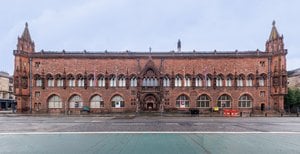 Scottish National Portrait Gallery |
إدنبرة | 1 | James Watt (1736–1819), Engineer, Inventor of the Steam Engine (after William Beechey) |
 The Royal Society of Musicians of Great Britain |
London | 1 | Gaetano Crivelli (1774–1836) |
 Coughton Court |
1 | Elizabeth Acton (d.1850), Lady Throckmorton with Two of Her Children, Courtenay Throckmorton (1831–1854), and Mary Elizabeth Throckmorton (1832–1919) | |
 Walker Art Gallery |
ليفربول | 1 | John Gibson (1790–1866) |
اختر عقداً لتشاهد أبرز أعماله.


تتصدر القائمة لوحة Daniel Asher Alexander (1818)، في المعرض الوطني للصور, لندن. وتليها مباشرةً: Christian Frederick, Baron Stockmar (1787-1863) (1838) وPortrait of Thomas Wyse (1791-1862), Politician, Writer and Diplomat (1846).
عمره 29 عاماً. وُلد John Partridge في 1789، ويعود تاريخ Daniel Asher Alexander إلى 1818.
Daniel Asher Alexander, Christian Frederick, Baron Stockmar (1787-1863), Portrait of Thomas Wyse (1791-1862), Politician, Writer and Diplomat, 'The Fine Arts Commissioners, 1846', Prince Albert (1819-61), William Lamb, 2nd Viscount Melbourne (1779-1848), Queen Victoria (1819-1901), Prince Albert (1819-1861), Leopold, Duke of Brabant (1835-1909) و Earl Stanhope (1805–1875). ستجد سنة الإنتاج والمتحف الخاص بكل منها في القائمة أعلاه.
لدينا 43 من أعمال John Partridge في كتالوجنا، وتتراوح تواريخها من 1806 إلى 1872.
ستجد معظمها في المعرض الوطني للصور (لندن), Royal Collection (لندن) و Towneley Hall Art Gallery - Museum (Burnley). وتوفر قائمة المتاحف أعلاه تفصيلاً كاملاً.
في 1840s، أكثر من أي وقت مضى: 16 من أصل 43 قطعة في هذه الصفحة تعود إلى تلك الفترة، من بينها Portrait of Thomas Wyse (1791-1862), Politician, Writer and Diplomat.
أقدم قطعة هنا هي James Watt (1736–1819), Engineer, Inventor of the Steam Engine (after William Beechey) (1806)؛ وأحدثها هي Neil Arnott (1788–1874), MD (1872).
Victorian era (4), Formal art (3) و 19th century (3) من أصل 43 قطعة في هذه الصفحة.
Academic realism، كما يمكنك أن ترى في الأعمال الفنية في هذه الصفحة.
يمكنك مشاهدة 14 من القطع الفنية في هذه الصفحة في المعرض الوطني للصور, لندن، بما في ذلك Daniel Asher Alexander, 'The Fine Arts Commissioners, 1846' و Frederick James Lamb, 3rd Viscount Melbourne.
نعم. كل لوحة في هذه الصفحة متاحة كنسخة زيتية مرسومة يدوياً أو كمطبوعة، بالمقاس الذي يناسبك. ما عليك سوى فتح صفحة اللوحة للطلب.
In the grand, sweeping tapestry of the Victorian era, few artists captured the dignified essence of the age quite like John Partridge. Born in Glasgow in 1789, Partridge emerged from a family steeped in intellectual and creative pursuits, carrying with him a lineage that would see his brother rise to prominence in the medical sciences and his nephew find fame in the theatrical arts. His journey into the heart of the British art world began not merely as an observer, but as a dedicated student of the craft, honing his vision under the esteemed portraitist Thomas Phillips. By 1815, when he debuted ‘Miss Foote in the Character of Lucilla’ at the Royal Academy, Partridge had already begun to signal the arrival of a master who could blend the meticulous precision of academic realism with a profound, soulful depth.
The evolution of Partridge’s artistry was profoundly shaped by his transformative years spent wandering through the sun-drenched landscapes and storied galleries of Italy. Between 1823 and 1827, the artist immersed himself in the cultural treasures of Florence, Venice, and Rome, an experience that acted as a spiritual and technical rebirth. It was during this period that he moved beyond the mere replication of likenesses to engage deeply with the ghosts of the Renaissance. By sketching landscapes and creating meticulous copies of works by Correggio, Raphael, Rubens, Tintage, and Titian, Partridge absorbed the dramatic interplay of light and shadow—the chiaroscuro—that would become a hallmark of his mature style. This classical foundation allowed him to infuse his portraits with an atmospheric weight, making each sitter appear not just as a person, but as a figure of historical permanence.
Upon his return to London, Partridge’s career ascended to the highest echelons of society. His strategic move to the prestigious Brook Street, near the heart of the aristocracy, placed him in the very orbit of his future subjects. The artist possessed a rare ability to navigate the delicate balance between capturing a person's physical accuracy and projecting their social authority. This skill earned him the extraordinary distinction of being named ‘portrait painter-extraordinary’ to Queen Victoria in 1843. His canvases from this era, including those of the Queen herself and Prince Albert, serve as vital historical windows, documenting the regal poise and the opulent textures of mid-19th-century royal life.
Beyond the royal court, Partridge’s portfolio was a Who's Who of Victorian influence. His brush captured the gravity of political titans such as Henry 3rd Viscount Palmerston and the intellectual weight of figures like Sir John Forbes. Each portrait was a masterclass in narrative detail:
As we look back upon the life of John Partridge, we see more than just a successful portraitist; we see an artist who acted as a chronicler of an empire. Through his mastery of Renaissance-inspired techniques and his unwavering commitment to the dignity of his subjects, he ensured that the faces of the Victorian era would remain vibrant and breathing long after the era itself had passed into history. His work remains a testament to a time when art was the primary vessel for capturing the soul of a nation.


