
باختصار
إذا كنت تعرف لوحة واحدة لـ John Korner، فمن المرجح أنها Emerging 2 (1958). تكتمل المجموعة بالقطعتين Coast Trellice (1958) و Coast Glitter 2 (1958) لتشكل الثلاث قطع التي يتعرف عليها الناس على الفور. يحتوي كتالوجنا على 13 من أعمال John Korner. فيما يلي 10 من أشهر الأعمال، مع توضيح سنة إنتاجها، ومكان العثور عليها، وما يميز كل منها.
ابدأ من هنا: أفضل 10 لوحات لـ John Korner
حيث يمكنك مشاهدة لوحات John Korner
المتاحف 1 التي تضم أكبر عدد من اللوحات الموجودة في هذه الصفحة.
| المتاحف | المدينة | أعمال John Korner | لوحات من هذه القائمة |
|---|---|---|---|
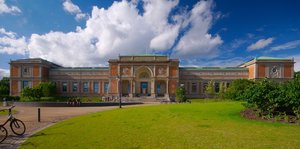
| كوبنهاغن | 3 | Untitled. Tramp/Crocodile, Anders, Jesper |
أعمال John Korner عاماً بعد عام: القطع الفنية البارزة
تغطي الأعمال المؤرخة في هذه الصفحة 5 سنوات فقط من أعمال John Korner، من 2004 إلى 2008. تتبعها عاماً بعد عام.
أسئلتكم حول لوحات John Korner
ما هي اللوحة الأكثر شهرة لـ John Korner؟شاهد الإجابة
تتصدر القائمة Emerging 2 (1958)، ويليها مباشرة Coast Trellice (1958) وCoast Glitter 2 (1958).
ما هي أشهر 10 لوحات لـ John Korner؟شاهد الإجابة
Emerging 2, Coast Trellice, Coast Glitter 2, Pacific Gateway, Flowers by a Blue River, Compass Rose 1, White Painting, Untitled. Tramp/Crocodile, Anders و Jesper. ستجد سنة الإنتاج والمتحف الخاص بكل منها في القائمة أعلاه.
كم عدد اللوحات التي أبدعها John Korner؟شاهد الإجابة
لدينا 13 من أعمال John Korner في كتالوجنا، وتتراوح تواريخها من 2004 إلى 2008.
أين يمكنك مشاهدة لوحات John Korner الشهيرة؟شاهد الإجابة
ستجد معظمها في Statens Museum For Kunst (كوبنهاغن). وتوفر قائمة المتاحف أعلاه تفصيلاً كاملاً.
متى رسم John Korner أشهر أعماله؟شاهد الإجابة
في 2008، أكثر من أي وقت مضى: 2 من أصل 10 قطعة في هذه الصفحة تعود إلى تلك الفترة، من بينها Anders.
ما هي لوحات John Korner الشهيرة التي رُسمت أولاً وأخيراً؟شاهد الإجابة
أقدم قطعة هنا هي Untitled. Tramp/Crocodile (2004)؛ وأحدثها هي Anders (2008).
ما هي أعمال John Korner التي يمكنك رؤيتها في Statens Museum For Kunst؟شاهد الإجابة
يمكنك مشاهدة 3 من القطع الفنية في هذه الصفحة في Statens Museum For Kunst, كوبنهاغن، بما في ذلك Untitled. Tramp/Crocodile, Anders و Jesper.
التعرف على John Korner
John Korner: A Quiet Revolution in Watercolor
John Michael Anthony Koerner (September 29, 1913 – February 23, 2014) wasn’t a household name—not in the conventional sense of musical stardom or cinematic acclaim. Yet, his contribution to Danish art history is undeniable: John Korner carved out a distinctive path as a watercolorist whose ethereal landscapes and subtly expressive portraits captured the essence of the Nordic spirit. Born in Aarhus, Denmark, Koerner’s artistic journey began with formal training at the Royal Danish Academy of Fine Arts between 1992 and 1998, where he honed his craft and garnered recognition for his unique vision. He was awarded an Eckersberg Medal in 2012—a prestigious honor bestowed upon Denmark's most promising young artist—solidifying his place among the nation’s artistic elite.- Early Life & Influences: Koerner’s formative years were marked by a profound connection to nature. Growing up in Aarhus instilled within him an appreciation for the serene beauty of Denmark's coastal regions and forests—influences that would permeate his artistic output. While biographical details remain somewhat sparse, anecdotal evidence suggests exposure to Impressionist painters like Claude Monet and Camille Pissarro played a crucial role in shaping his aesthetic sensibilities. These artists championed capturing fleeting moments of light and color, mirroring Koerner’s own approach to watercolor.
Watercolor Technique & Artistic Style
Koerner's distinctive style revolved around mastering the delicate medium of watercolor—a technique he embraced with unwavering dedication. Unlike bolder mediums like oil paint, watercolor relies on translucency and layering, allowing for subtle gradations of color and an unparalleled ability to convey atmosphere. He favored a muted palette dominated by blues, greens, and browns—colors that perfectly complemented his subjects—often depicting landscapes bathed in misty mornings or portraits imbued with quiet contemplation. His signature method involved applying thin washes of pigment onto damp paper, building up layers gradually to achieve depth and luminosity. This painstaking process demanded patience and precision, resulting in paintings characterized by a remarkable sense of serenity and understated beauty.- Notable Works: “Flowers by a Blue River”, completed in 2004, exemplifies Koerner’s artistic vision. This evocative watercolor captures the tranquil essence of a riverside meadow—a scene rendered with meticulous detail and infused with luminous hues. The artist's masterful use of impasto technique adds textural richness to the composition, creating a dynamic interplay between light and shadow.
- “Compass Rose 1” : This piece showcases Koerner’s ability to distill complex emotions into simple forms—a testament to his artistic prowess.


