1

نسخة زيتية مرسومة يدوياً من $175 30 × 34 cm
بنفس حجم العمل الأصلي $246 56 × 61 cm اطلب بالحجم الأصلي →
احصل عليها مرسومة يدوياً
اقرأ قصتها


تحديث نوفمبر 2026 · مُرتبة حسب مؤشر شعبيتنا (عمليات البحث، والزيارات، والطلبات لكل عمل فني) · 1 أعمال لـ James Macbeth في كتالوجنا
باختصار
أشهر أعمال James Macbeth هي Sir Daniel Macnee, 1806 - 1882. Artist (1870). يمكنك العثور عليها في Scottish National Portrait Gallery في إدنبرة. لدينا 1 من أعمال James Macbeth في كتالوجنا؛ يختار هذا الدليل 1 من أشهر هذه الأعمال، مع ذكر سنة الإنتاج، والمتحف، والقصة وراء كل قطعة.
المتاحف 1 التي تضم أكبر عدد من اللوحات الموجودة في هذه الصفحة.
| المتحف | المدينة | أعمال James Macbeth | لوحات من هذه القائمة |
|---|---|---|---|
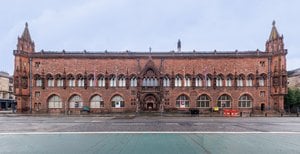 Scottish National Portrait Gallery |
إدنبرة | 1 | Sir Daniel Macnee, 1806 - 1882. Artist |
تأتي جميع أعمال James Macbeth المؤرخة في هذه الصفحة من عام 1870. إليكم هذه الأعمال، مرتبة حسب شهرتها.
اختر سنة لعرض أعمالها.
في مقدمة القائمة Sir Daniel Macnee, 1806 - 1882. Artist (1870).
عمره 23 عاماً. وُلد James Macbeth في 1847، ويعود تاريخ Sir Daniel Macnee, 1806 - 1882. Artist إلى 1870.
لدينا 1 من أعمال James Macbeth في كتالوجنا.
ستجد معظمها في Scottish National Portrait Gallery (إدنبرة). وتوفر قائمة المتاحف أعلاه تفصيلاً كاملاً.
نعم. كل لوحة في هذه الصفحة متاحة كنسخة زيتية مرسومة يدوياً أو كمطبوعة، بالمقاس الذي يناسبك. ما عليك سوى فتح صفحة اللوحة للطلب.
The year is 1847 in Glasgow. James Macbeth enters a world where the lines of Scottish identity are being drawn through brushstrokes and ink. He is born into a family of creators; his father, Norman Macbeth, is a portrait painter, and his brothers, Robert Walker and Henry, will also find their way into the arts. This lineage is not merely a coincidence of birth but a shared language of form and color. James moves between the creative hubs of London and Scotland, establishing a presence in both the metropolitan galleries and the local scenes of his homeland.
His work often turns toward the human figure and the quietude of domestic life. In his portrait of Sir Daniel Macnee, he captures the likeness of a contemporary artist, a choice that places him directly within the professional circles of his era. He does not merely record a face; he engages with the social fabric of the mid-nineteenth century.
As the 1880s approach, a shift occurs in the atmosphere of his compositions. His painting A quiet afternoon signals a departure from strict realism toward something more atmospheric. This work anticipates the mood of Aestheticism, a movement that prioritizes sensory experience and a specific kind of contemplative stillness. The scene is not one of action, but of a lingering, suspended moment.
His output is defined by two primary modes of expression:
The trajectory of James Macbeth is cut short in 1891. He leaves behind a body of work that bridges the gap between traditional Scottish portraiture and the emerging sensibilities of the late Victorian period. His presence in the National Galleries of Scotland ensures that his contribution to the visual history of his country remains documented, even as the movements he helped anticipate continue to evolve.